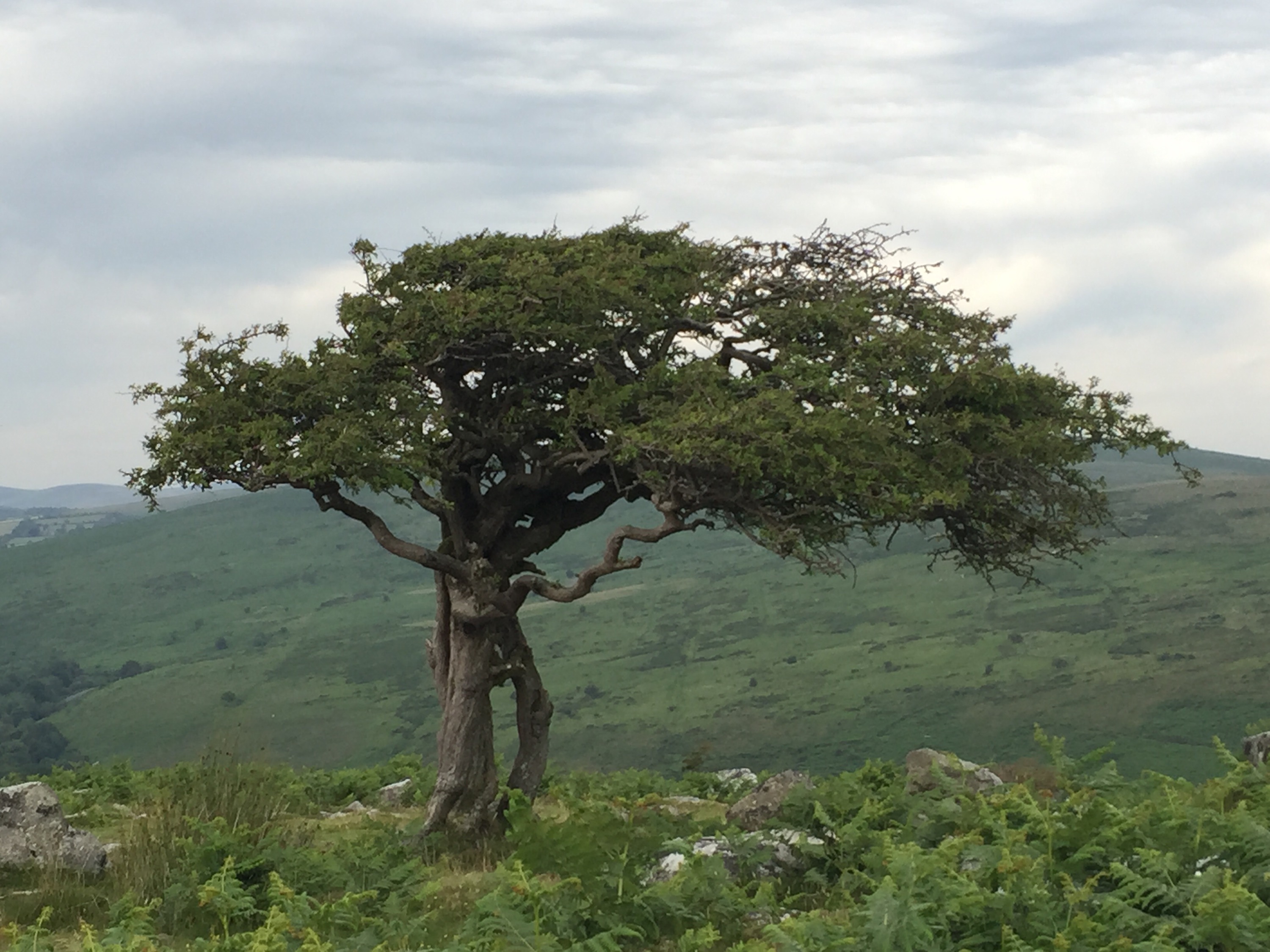
For our final day, we engaged the services of expert guide Alex Graeme (Unique Devon Tours) to explore Dartmoor, which is nearly impossible to visit by bus. Alex was the perfect guide, taking us to a range of geologic and man-made structures across the moors, and providing engaging commentary throughout.
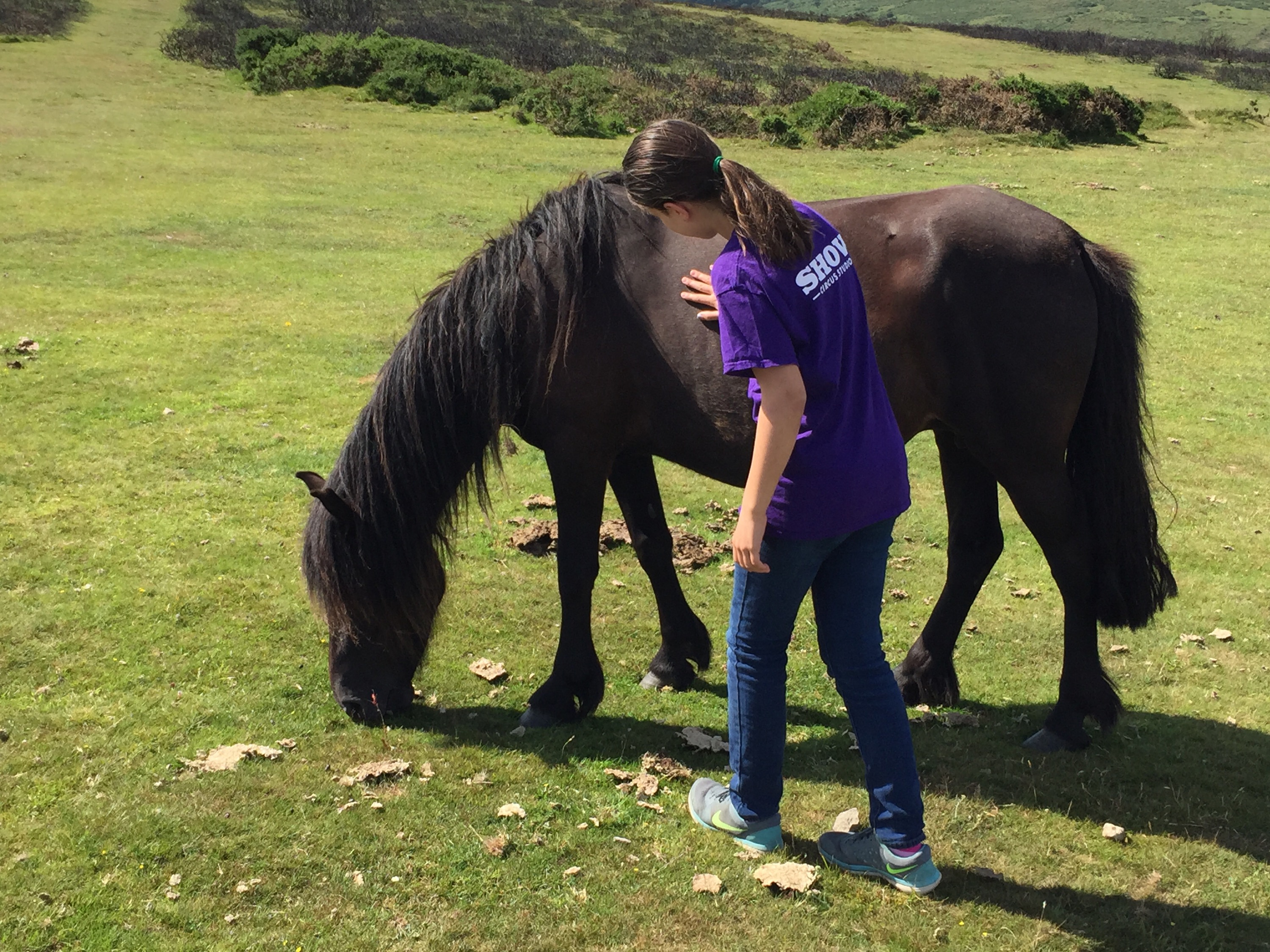
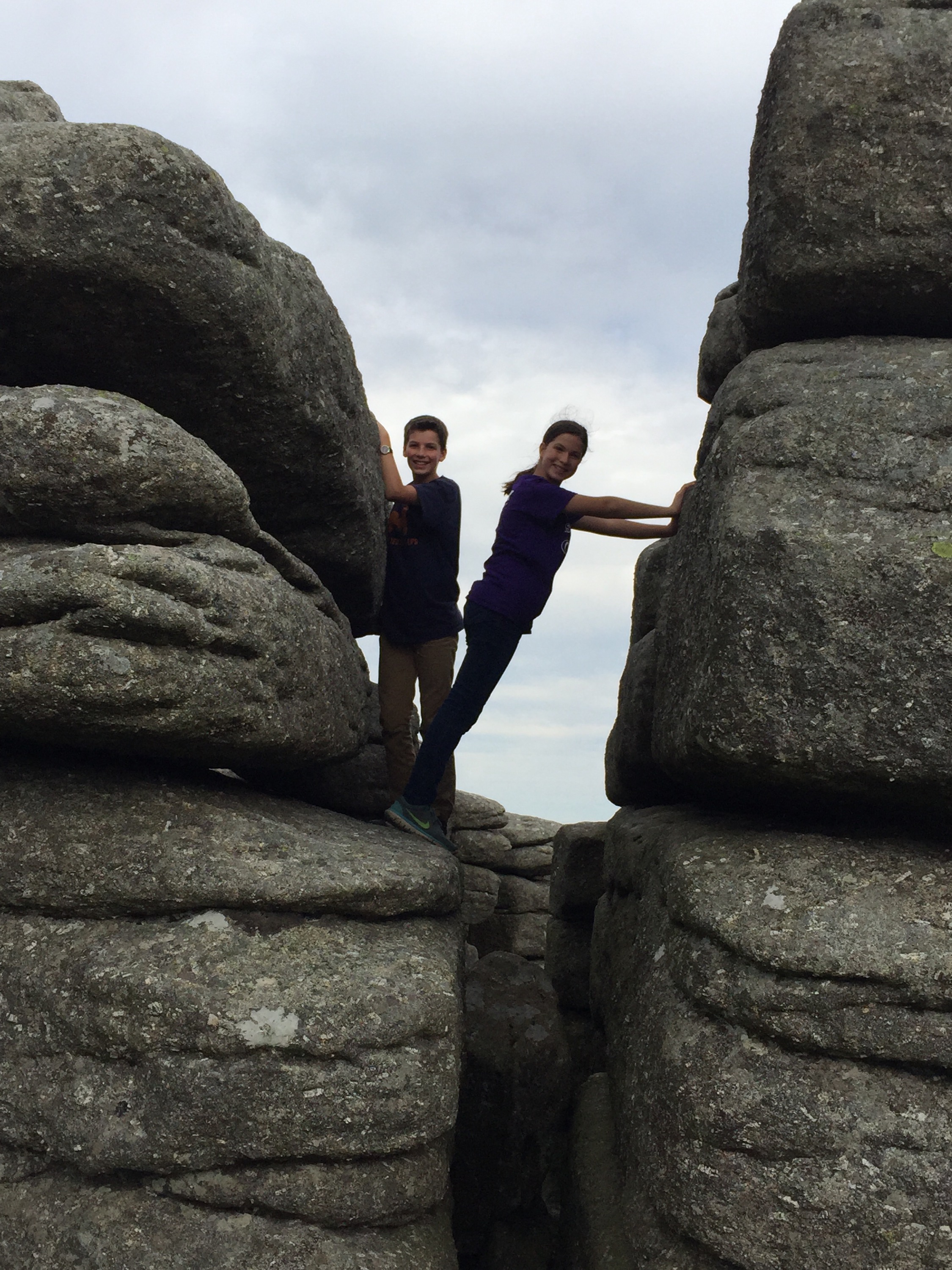
Our first stop was Haytor, an imposing granite mass with stellar views. There are over 200 tors on Dartmoor, but Haytor is one of the most visited due to its easy road access. In addition to climbing over the rocks, we did a little bit of letterboxing, finding three hidden caches, one of which included a stamp and ink pad to commemorate our find. Another treat across the car park was a group of Dartmoor ponies, which allowed us our first close-up view. They are semi-wild but this group seemed to be used to tourists and on the lookout for food.
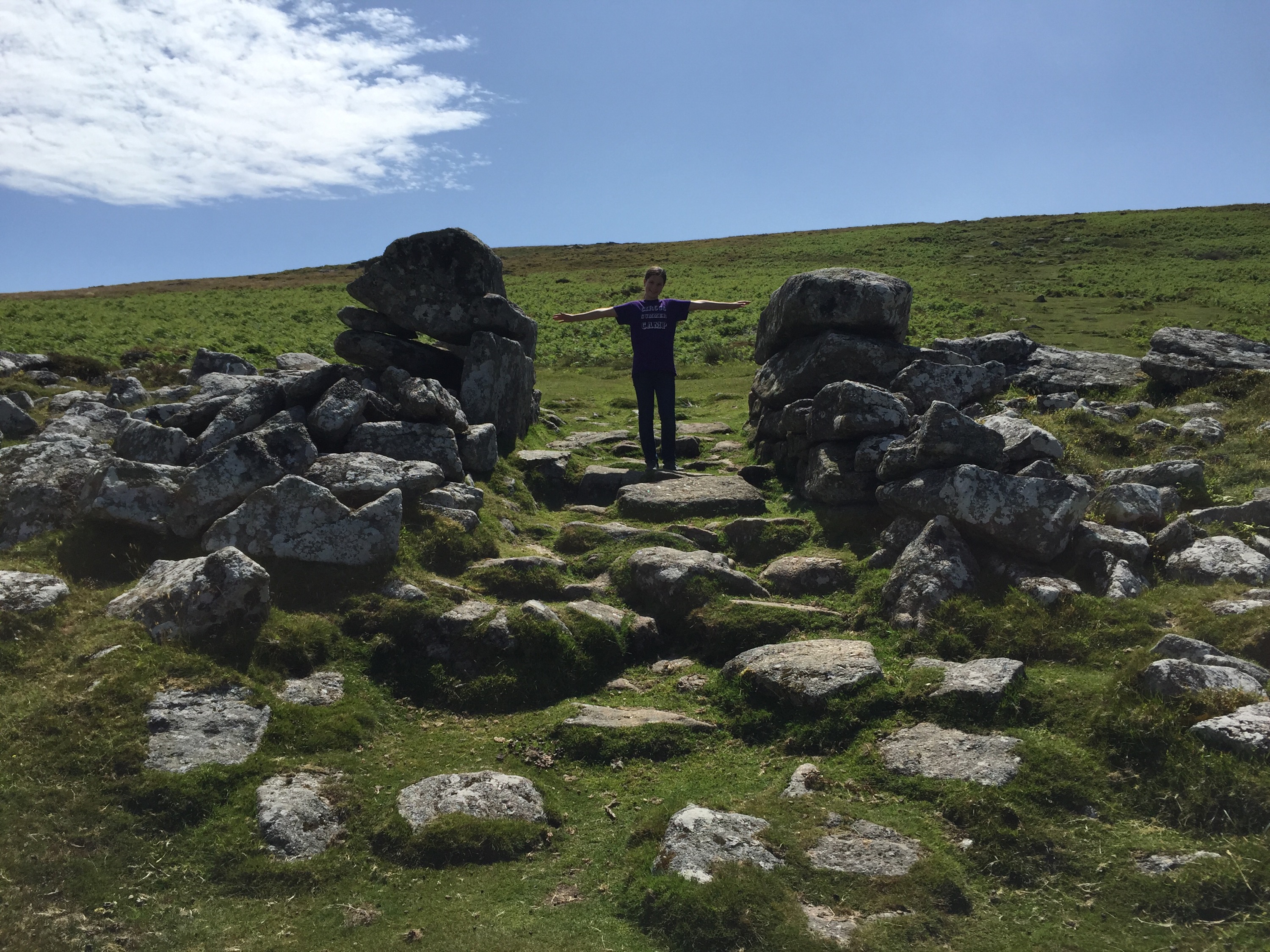
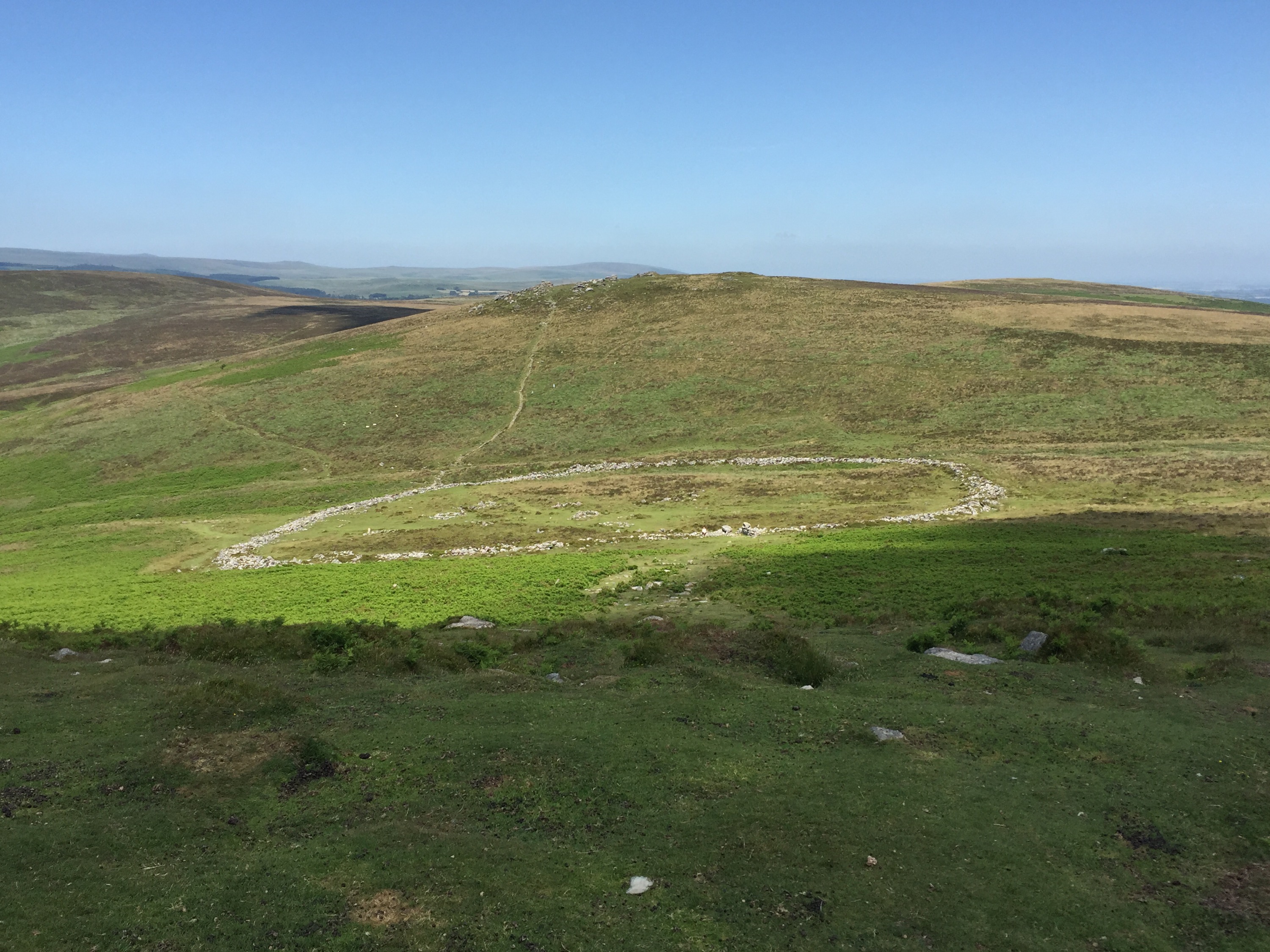
Dartmoor was settled in the Bronze Age and many remains are still visible across the landscape. Alex took us to Grimspound, a ring village with 24 house foundations. From it we hiked up a ridge to see one of three barrows at the top. On the way down we came across a group of hill ponies, more skittish than those we’d seen before.
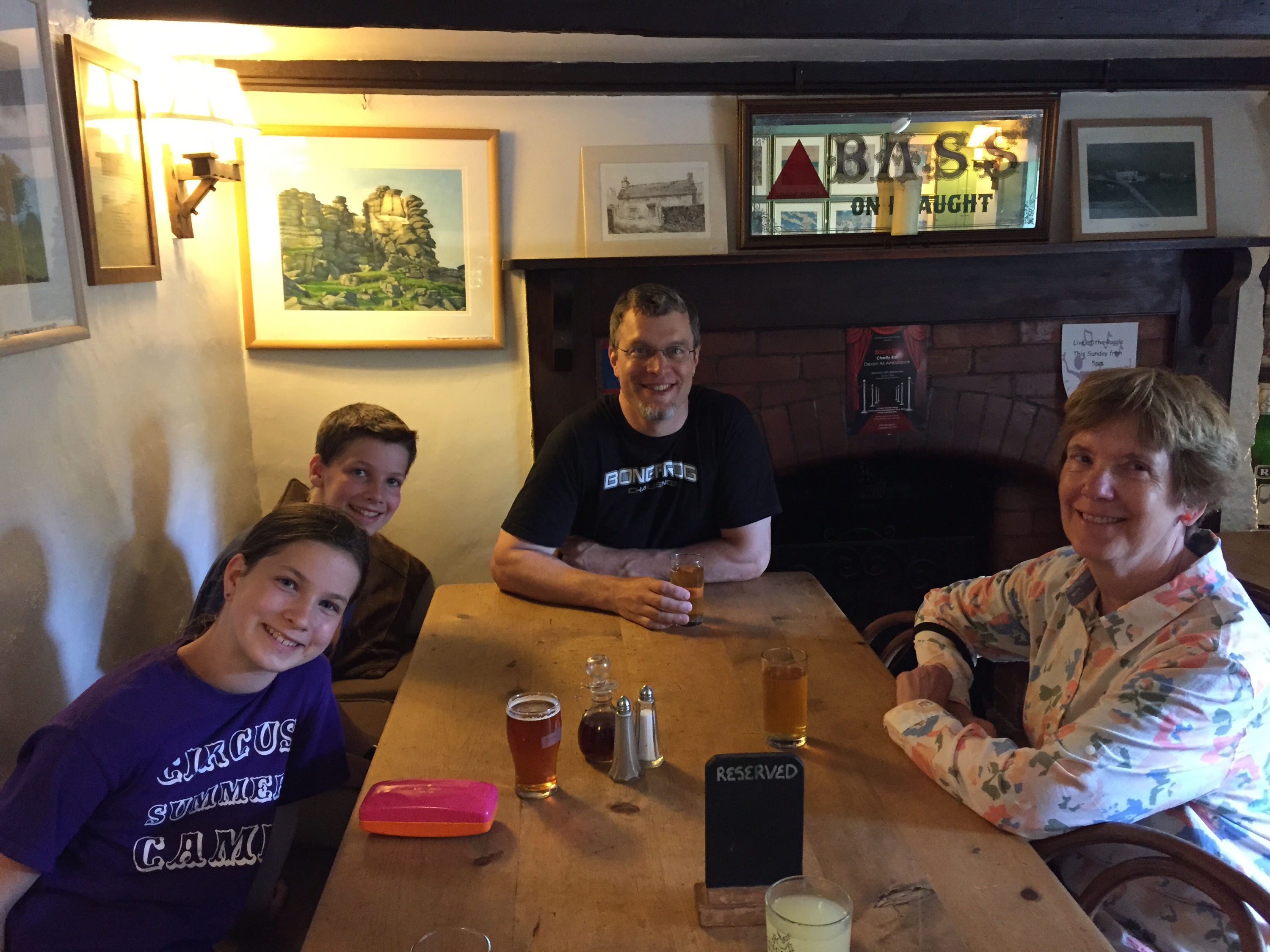
Nothing is very far apart in Dartmoor, but all travel is along winding lanes barely more than one car wide and often bounded by high hedgerows on both sides. We were glad not to be doing the driving ourselves! In the middle of the day we took one of the country lanes to the Rugglestone Inn, a picturesque pub in Widecombe-in-the-Moor, housed in a stone cottage with low ceilings and delicious cuisine.
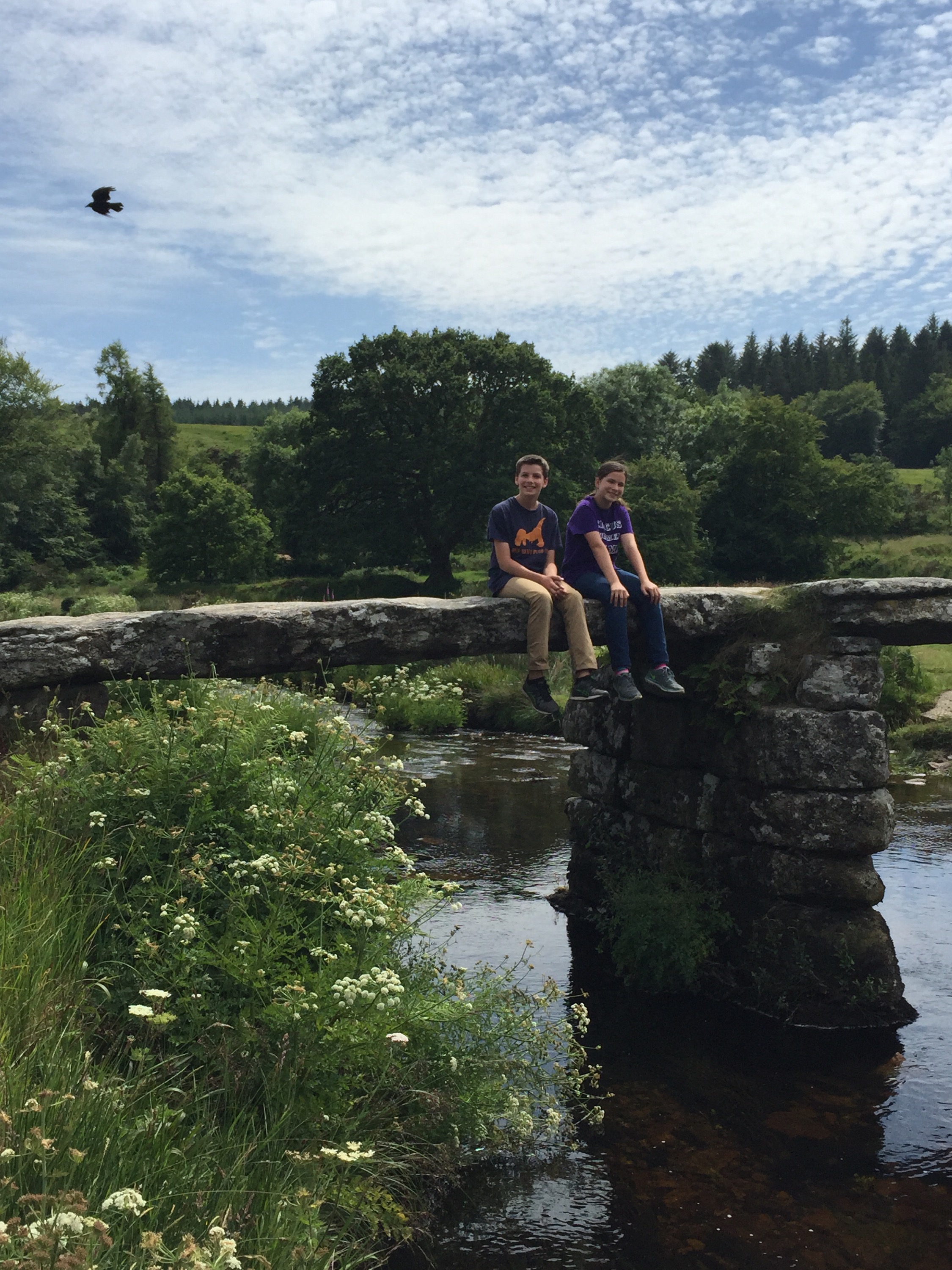
We stopped shortly after lunch in Postbridge to see a fine example of the clapper bridges found all over Dartmoor. It’s hard to imagine the effort required to move into place the giant granite slabs that span the river – and all this done some 800 years ago.
The weather was gorgeous (not always true of Dartmoor, which can be quite grey and bleak with cloud cover and wind), but we got a little sense of the potential desolation across the moors with a visit to the grim Dartmoor Prison (well, actually, we could only visit the prison museum because the prison is still in use – and we weren’t eager to become inmates!) U.S. and French prisoners of war were housed in the prison during the War of 1812.
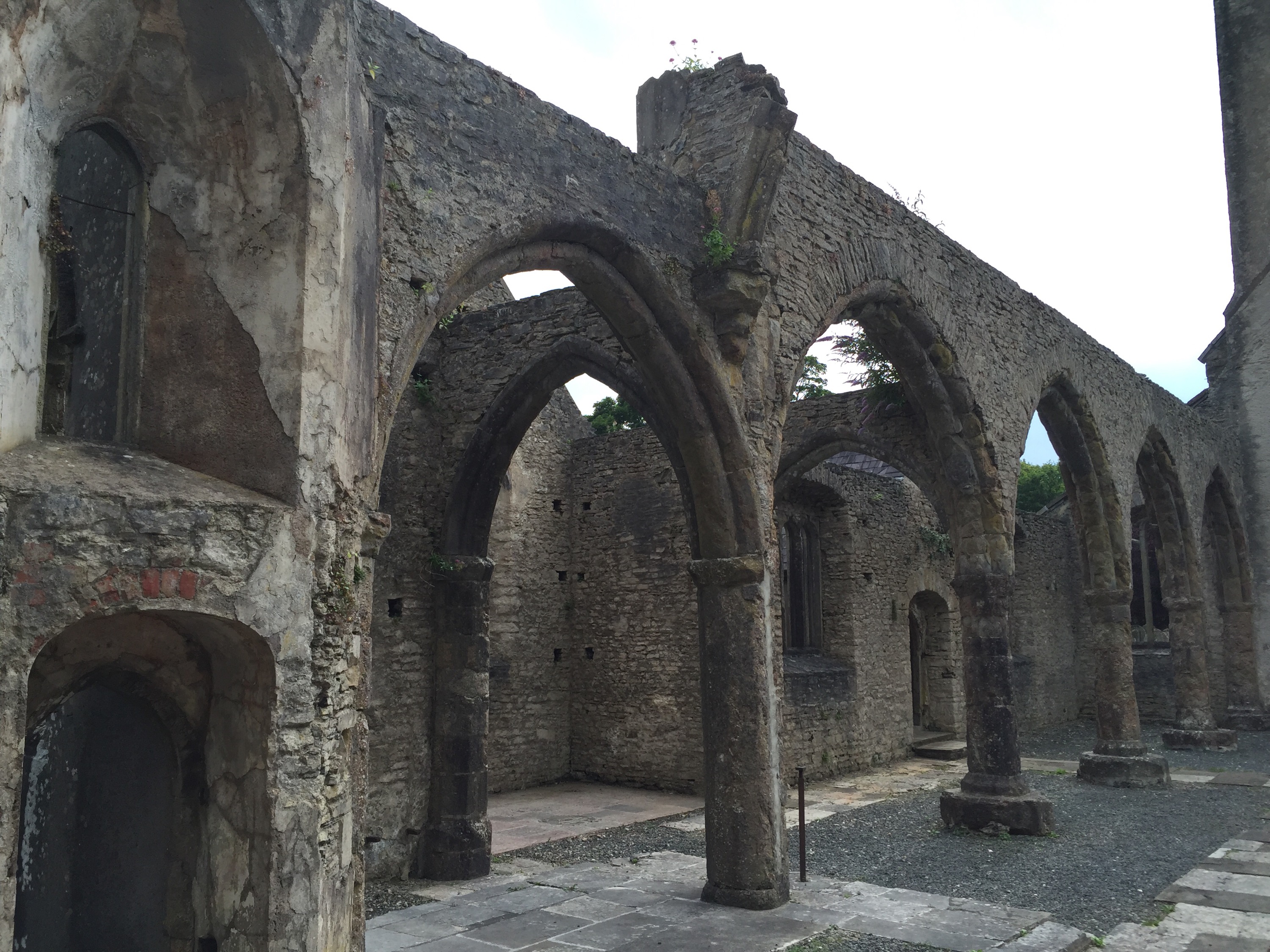
After a visit to (and obligatory climb on) Combestone Tor, we said goodbye to Dartmoor with a surprise visit to a haunted churchyard. Buried there lies an infamous nobleman who served as inspiration for Conan Doyle’s “Hound of the Basketvilles”; apparently the locals were concerned he might haunt them after death so took measures to ensure that his soul would stay put in the tomb. Nevertheless, the adjacent church has burned twice and was left in ruins after the most recent fire in 1992. Spooky…
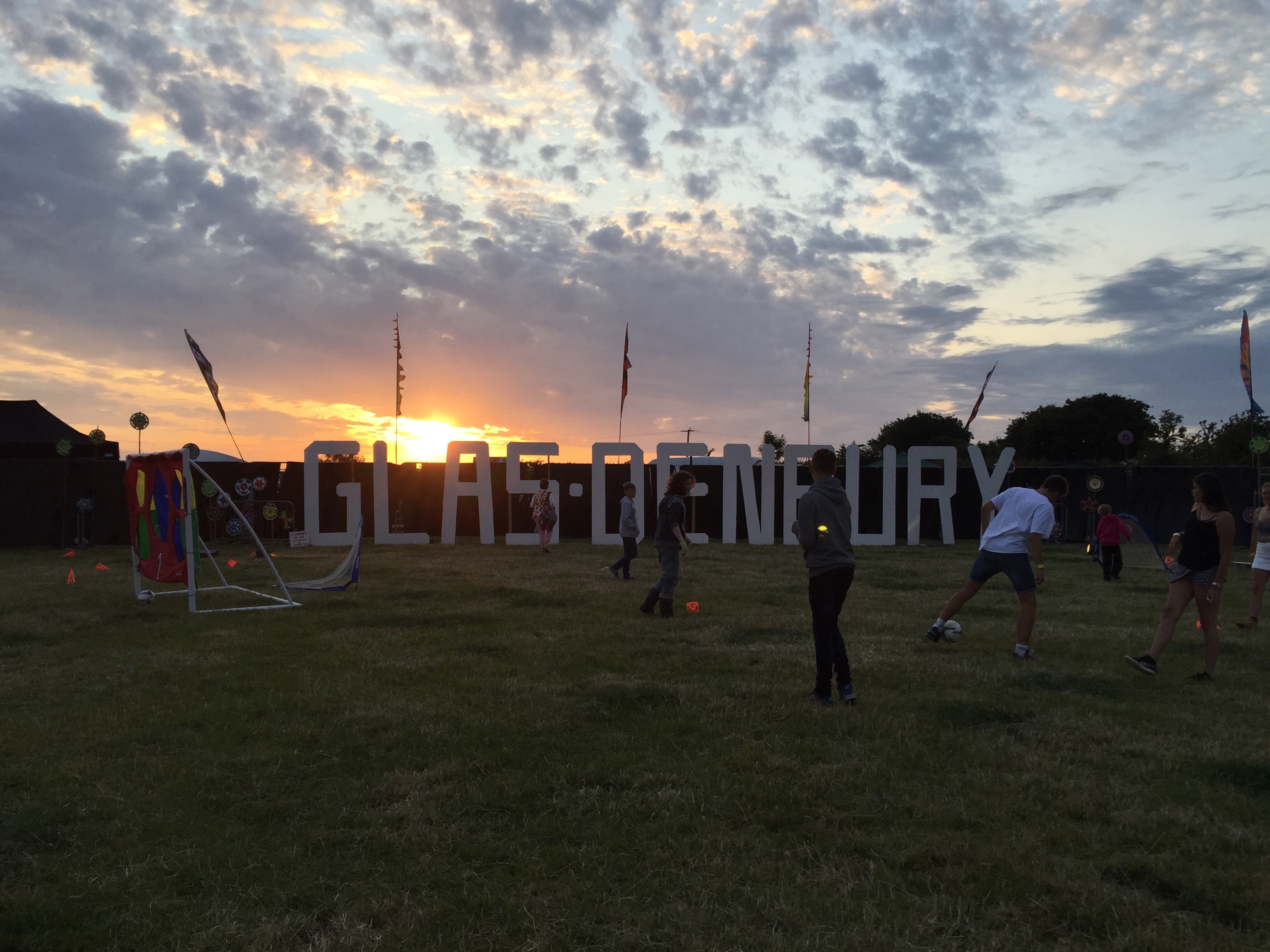
We capped off our day and our trip with another festival – this one located in the village of Denbury and called “Glas-Denbury” after the larger and more famous music shindig in Glastonbury. The festival featured a nice slice of vintage and local charm, including an imaginarium, flea circus, mechanical bull, and flame jugglers. It also had mouthwatering food, stalls with crafts, and four music tents going at once. Alex and his kids were wonderful hosts to our whole family. A fitting ending to our memorable fortnight in England!

 Howes' Doings