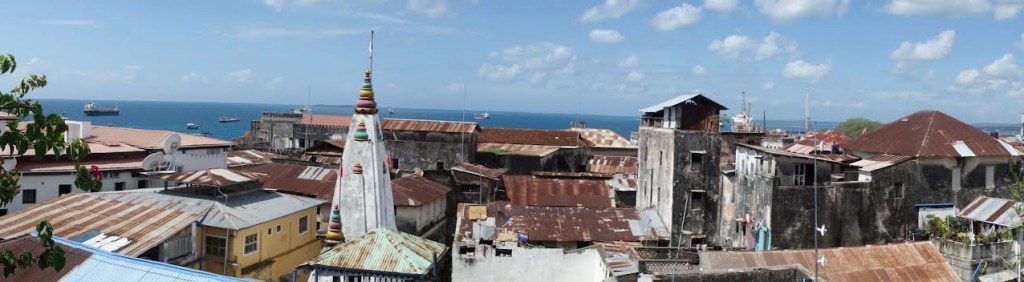
Zanzibar is a very cosmopolitan place thanks to centuries of trade with groups from many nations rubbing shoulders. They are tolerant of the practices of all religions and have houses of worship representing many different faiths. We were given the opportunity to practice tolerance ourselves at 5 AM when the call to prayer sounded from the minarets of the 71 mosques in the city. We further practiced our tolerance at 6:25 AM when one of the three Hindu temples in the city (which happens to be next door) rang bells for several minutes straight in honor of the sunrise. Just in case we were still contemplating sleep, the secular authorities also got into the act with an air raid siren at 7:30 AM to alert government workers that their day was beginning.
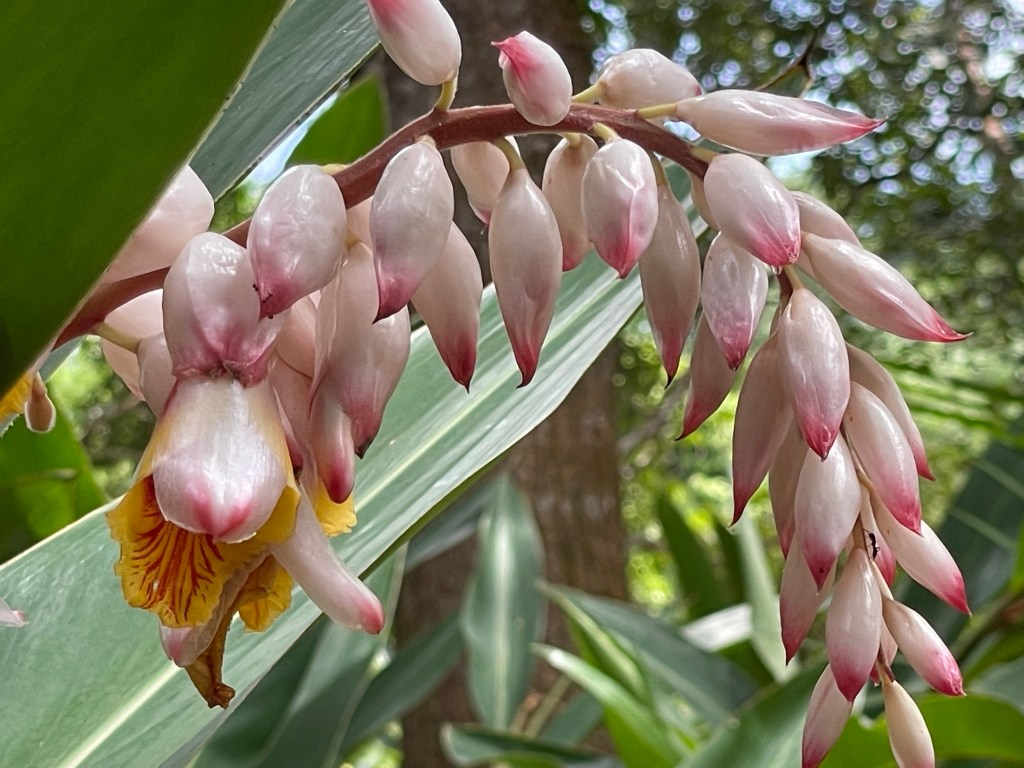
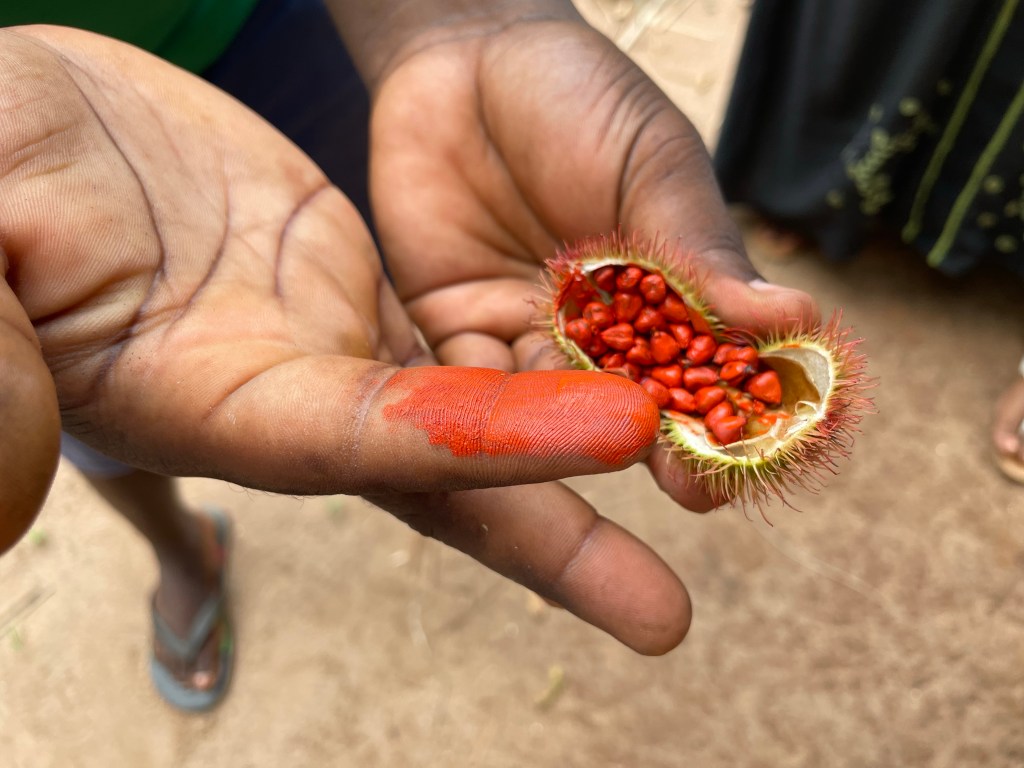
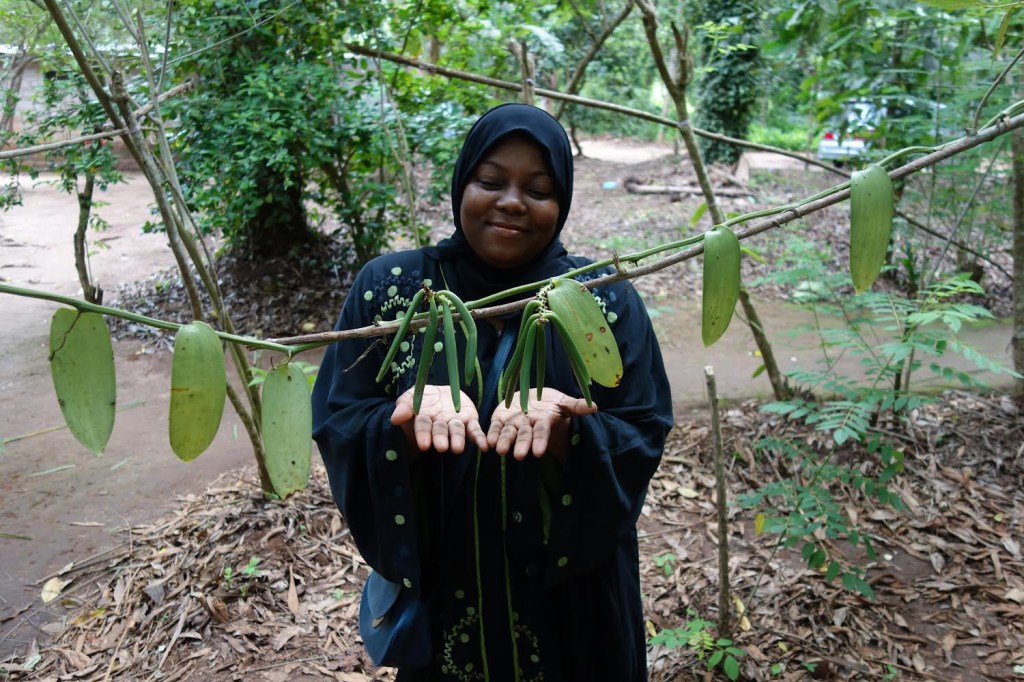
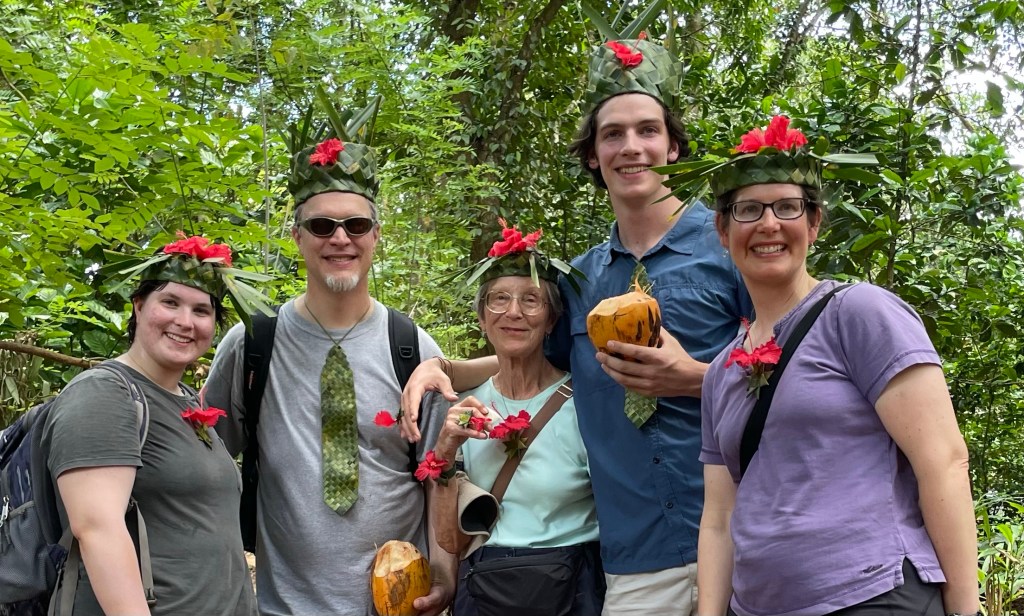
The isles of Zanzibar were known to early European traders as the Spice Islands and to this day they still grow many of the spices we find in our kitchens. So it seemed fitting to start our day with a tour of a spice plantation. We saw many different plants, both spices and fruit, including the so-called “king” and “queen” of spices: clove and cinnamon. The law actually prohibits private export of cloves so if you’re a farmer wanting to do business abroad you have to sell your crop to the government. The guides were knowledgeable about spices and their medicinal uses, and as we walked they somehow fashioned us a whole wardrobe out of palm leaves and hibiscus flowers!
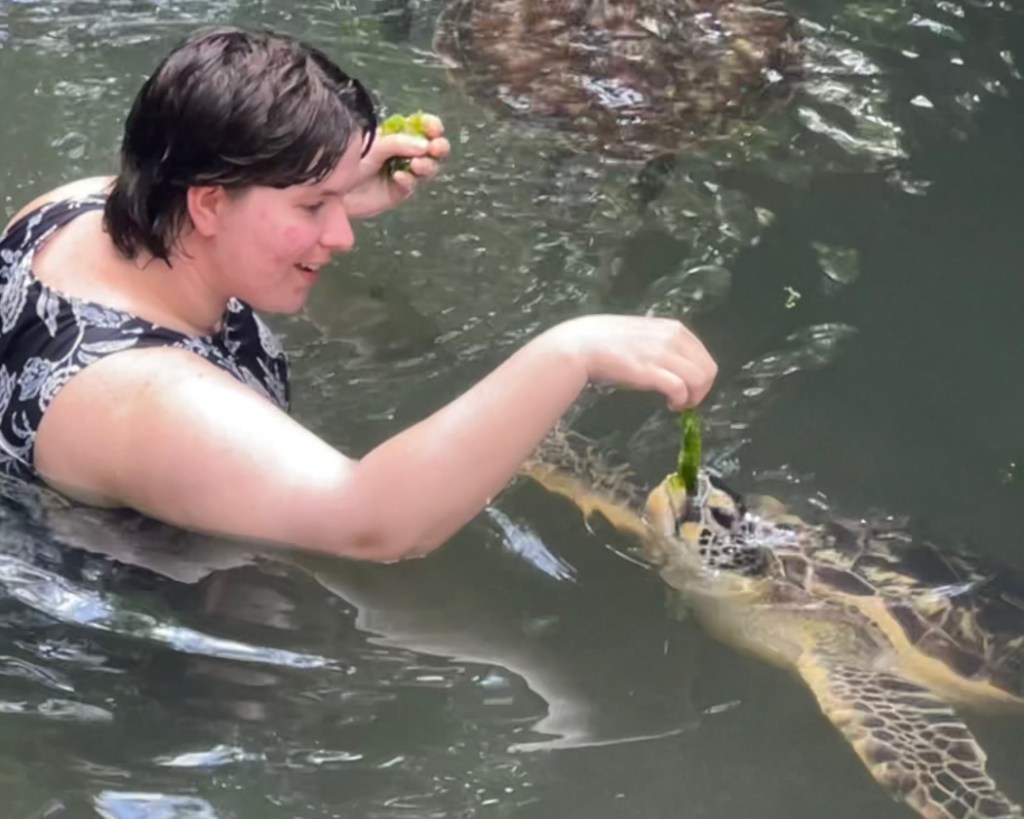
After a sampling of various tropical fruits (jackfruit was new to all of us), we parted ways, with some heading back to Stone Town while Rowan and Susannah continued north to Nungwi, at the very top of the main island. The destination was a natural marine aquarium that rehabilitates injured sea turtles. In order to support these activities, they have developed an ingenious business plan: have tourists pay for the opportunity to swim with the turtles. Rowan has rarely been so happy – the experience was worth every shilling of admission! Rowan and cousins swam with and fed the turtles for nearly an hour and a half, far outlasting all other visiting groups that afternoon.

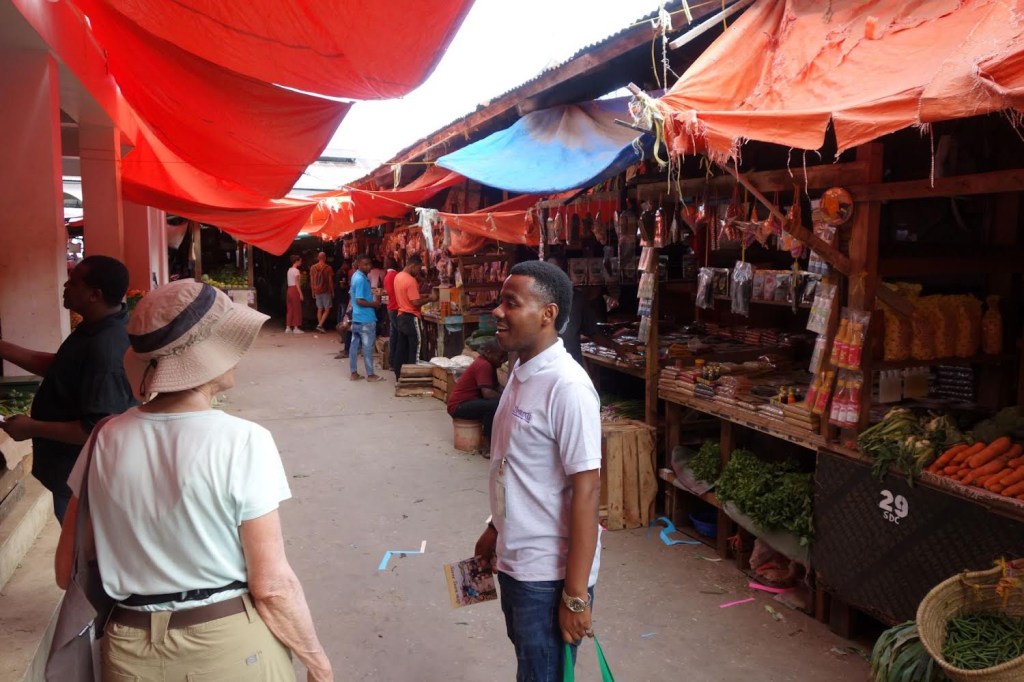
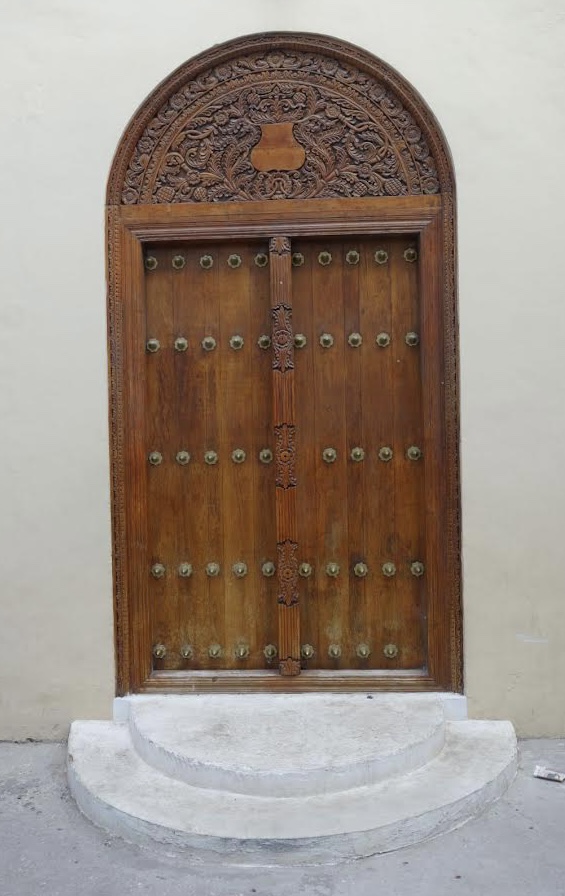
Meanwhile back in Stone Town, Nick and Lyn took a guided walking tour of the old city. Their guide took them through the markets, explaining many of the foods and customs. Along the way they saw the many ornate carved wooden doors for which Zanzibari homes are famous. Sadly, many historic examples are disappearing from their place of origin as wealthy foreigners buy them up for their own houses across the world.
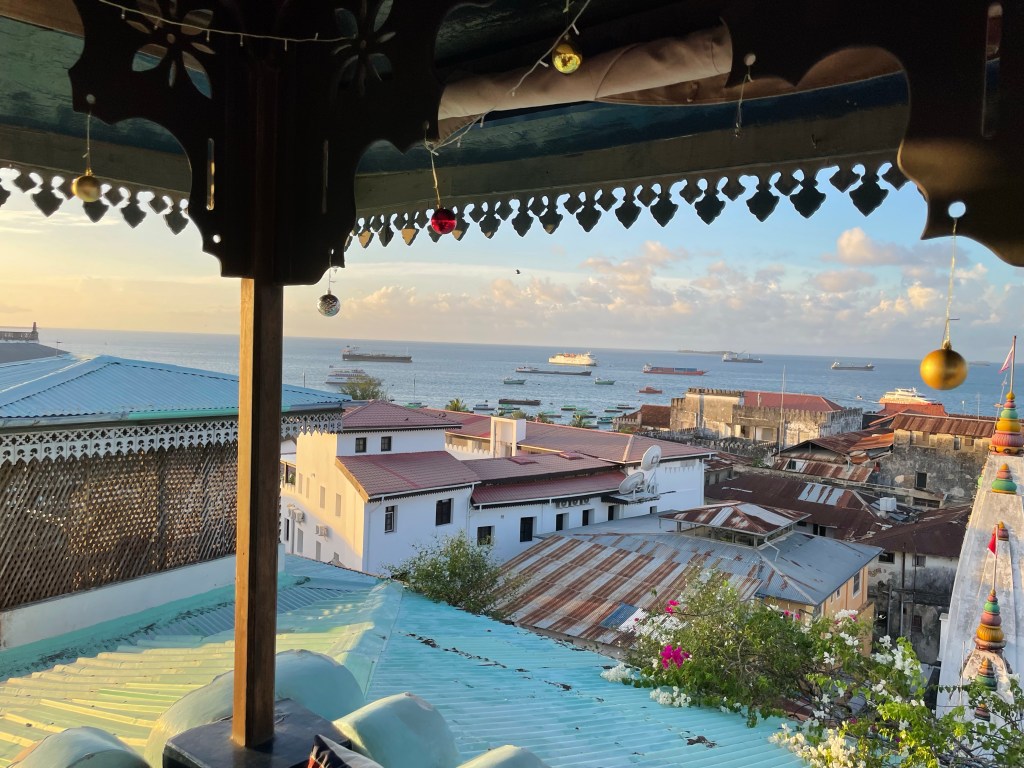
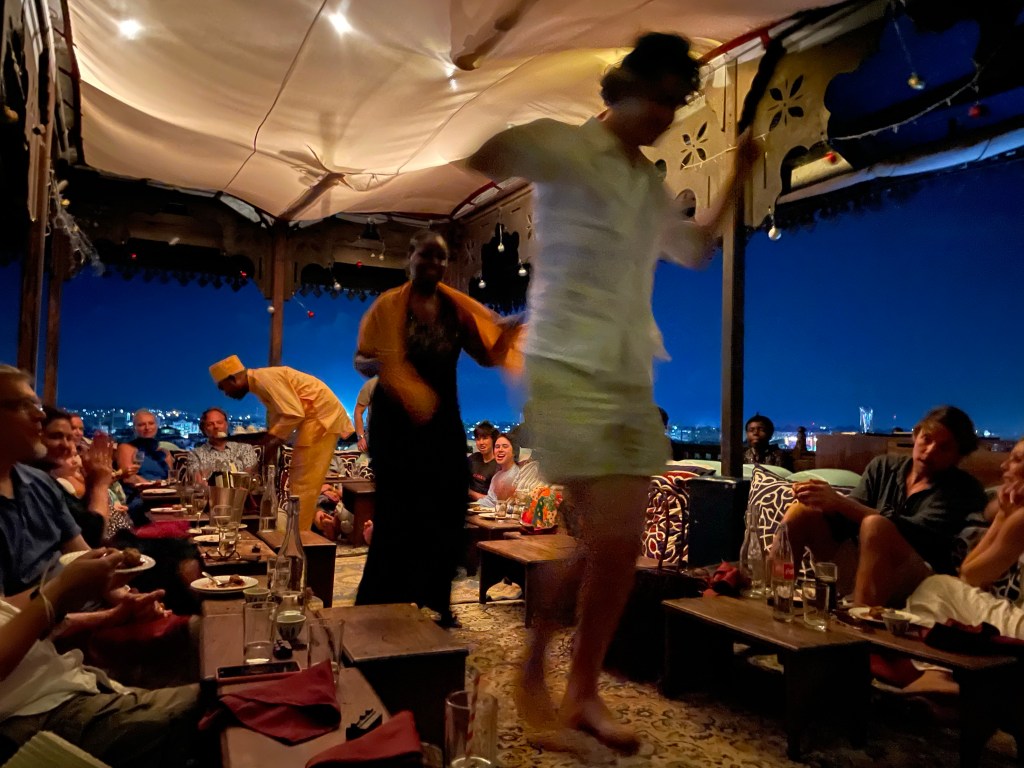
We capped off the day with pizzazz at the rooftop restaurant at our hotel. This is one of the most distinctive dining experiences on offer in Zanzibar, with a 360-degree view across the rooftops of the old town and down to the ships in the harbor. We were seated on cushions on the floor as waiters served tapas-style platters and a group of women musicians entertained us with traditional music and dance. Mother Nature also chipped in with a stunning sunset display.
 Howes' Doings