Although we arrived at the airport at the southern tip of St Lucia, we didn’t have time to explore it before heading to our lodging in Soufrière. Today we reversed that journey, heading south along the coast to see the sights we missed.
One such stop was the Balenbouche Estate, which turned out to be far more than we had expected. The property was originally a 2000-acre sugar plantation. Like others of its kind, it relied on a brutal system of enslavement when first established. After emancipation, it ran for a time using indentured workers but eventually stopped sugar production, and the mill fell into ruin.
As we arrived, we met Uta, the current owner, who was giving a personal tour of the house and remaining 75 acres of grounds. She herself has lived there for 40 years, and graciously showed us around the ruins of the sugar mill, telling stories of its history and how she has worked to breathe new life into the property. When her family bought the 180-year-old house, it was empty and run-down. They have worked to restore it and furnish it with period pieces. They have also erected and renovated buildings on the grounds using reclaimed structures and materials from elsewhere on the island. She now rents out some of these cottages to those interested in staying at a quiet retreat.
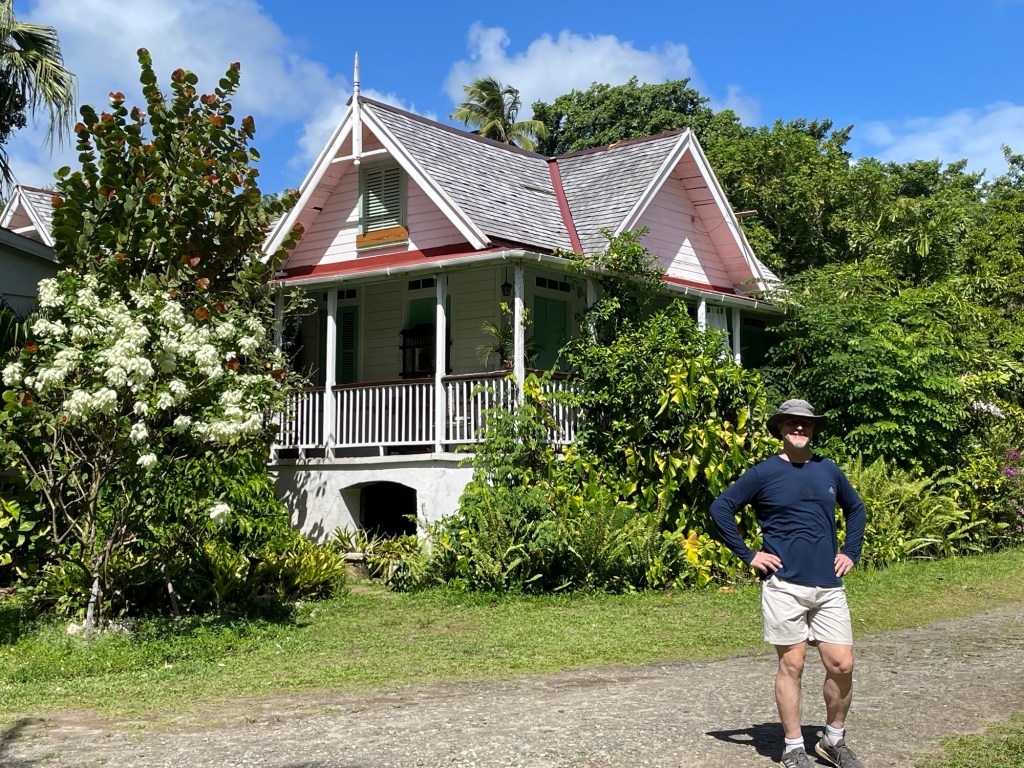
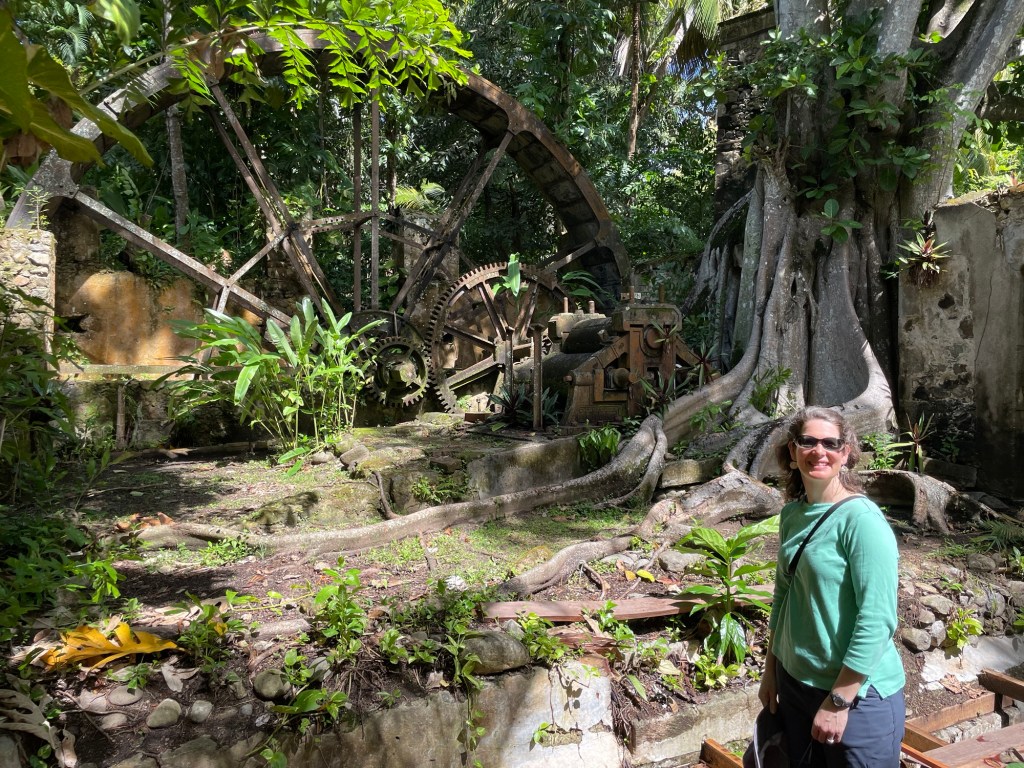
The old sugar mill has the robust feel of Victorian heavy industry yet now sits silently rusting in an overgrown jungle. The machinery used to crush and process the sugar cane is massive, with a 20-foot diameter water wheel that once powered the works. The water no longer flows through the feeder canal, the wooden mill race has rotted away, and a strangler fig is consuming what remains. Standing amidst the ruins felt like we had stepped into an Indiana Jones movie set.
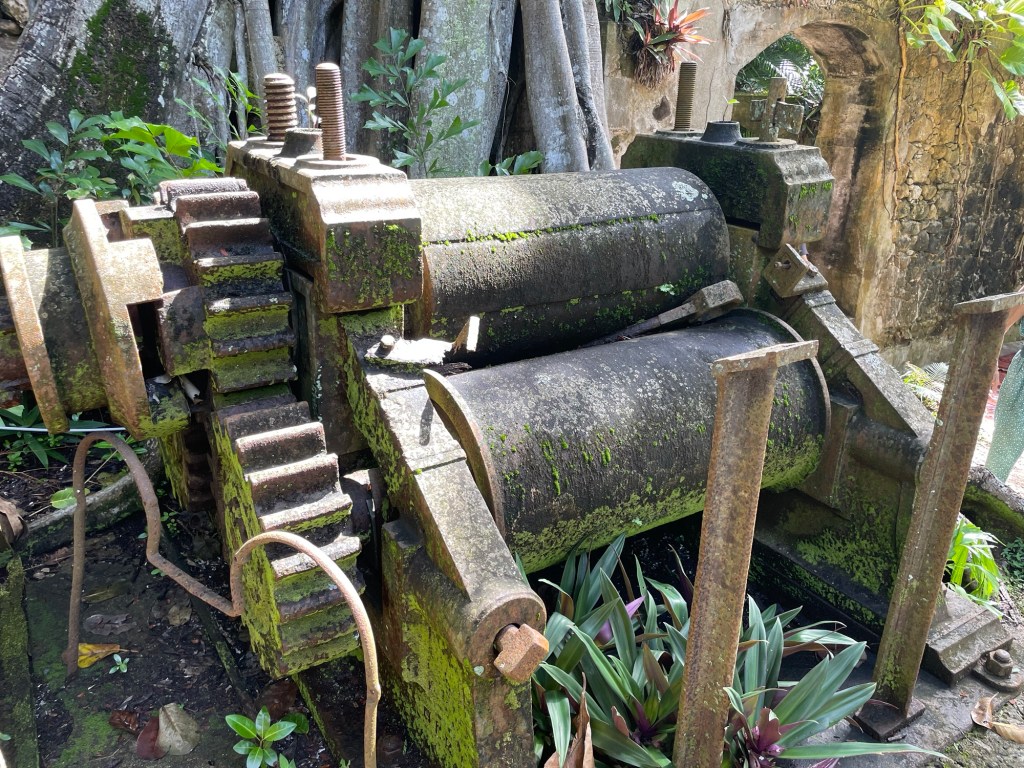
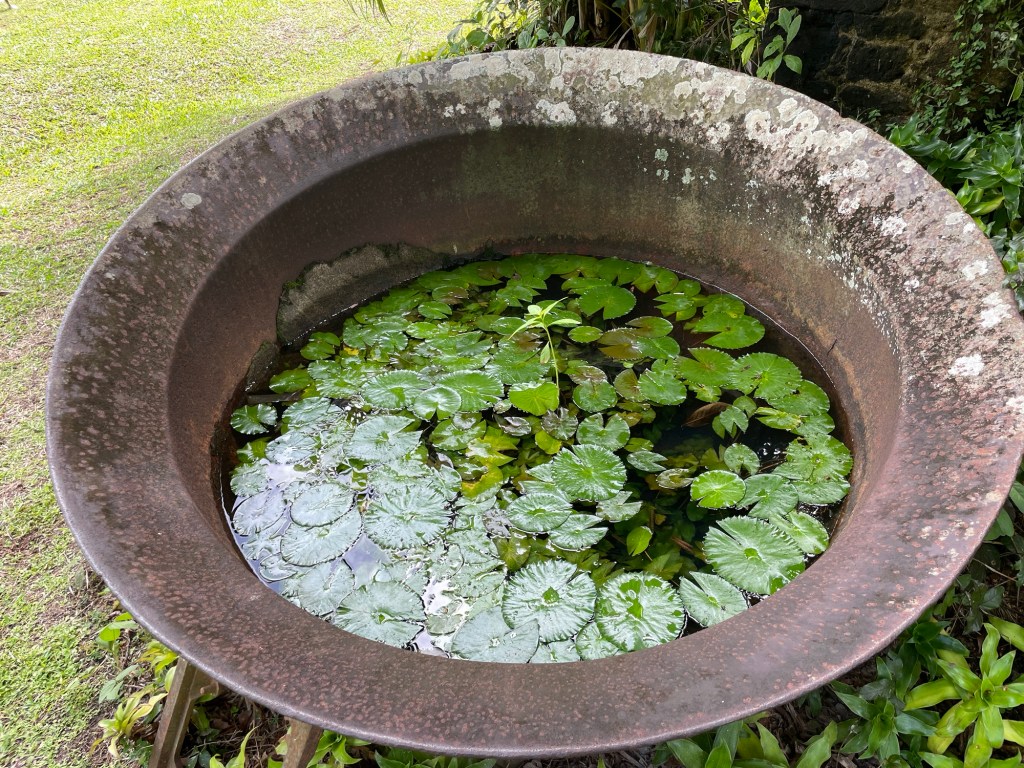
The process of refining sugar cane involved boiling juice in large metal vats of progressively smaller size as the concentration increased. You can still see these around the property (and elsewhere in St Lucia) often repurposed as planters or garden features.
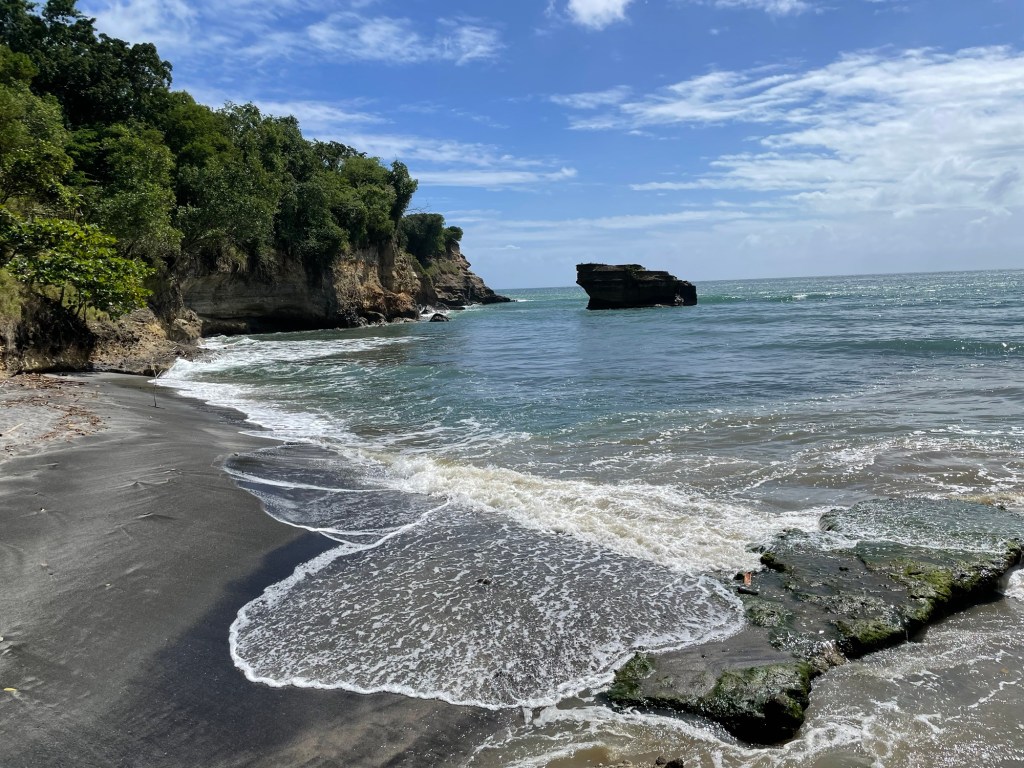
At the end of the tour, we took a stroll through the grounds as far as one of their small private beaches. The tide was high so we didn’t explore beyond the entrance to the cove.
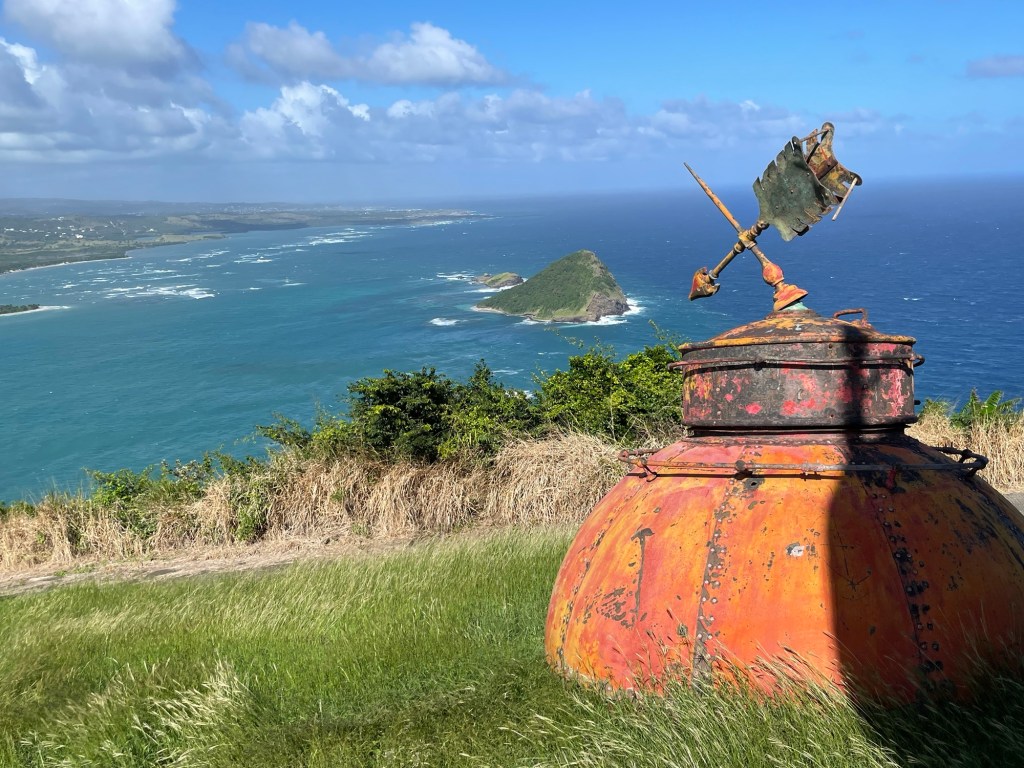
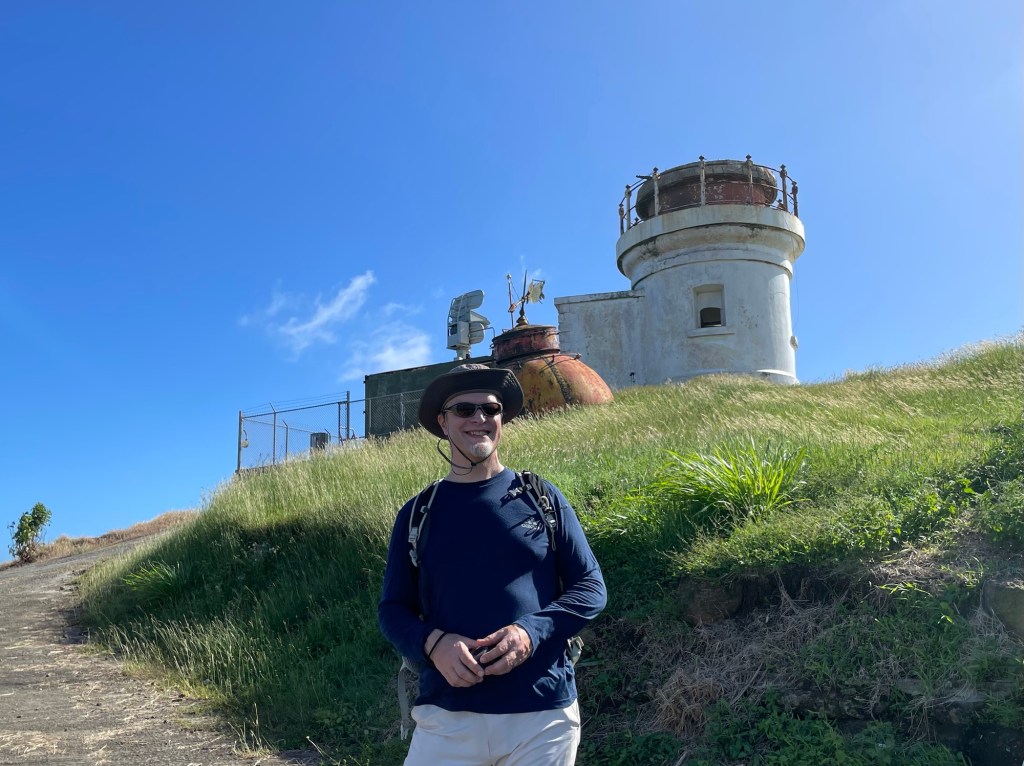
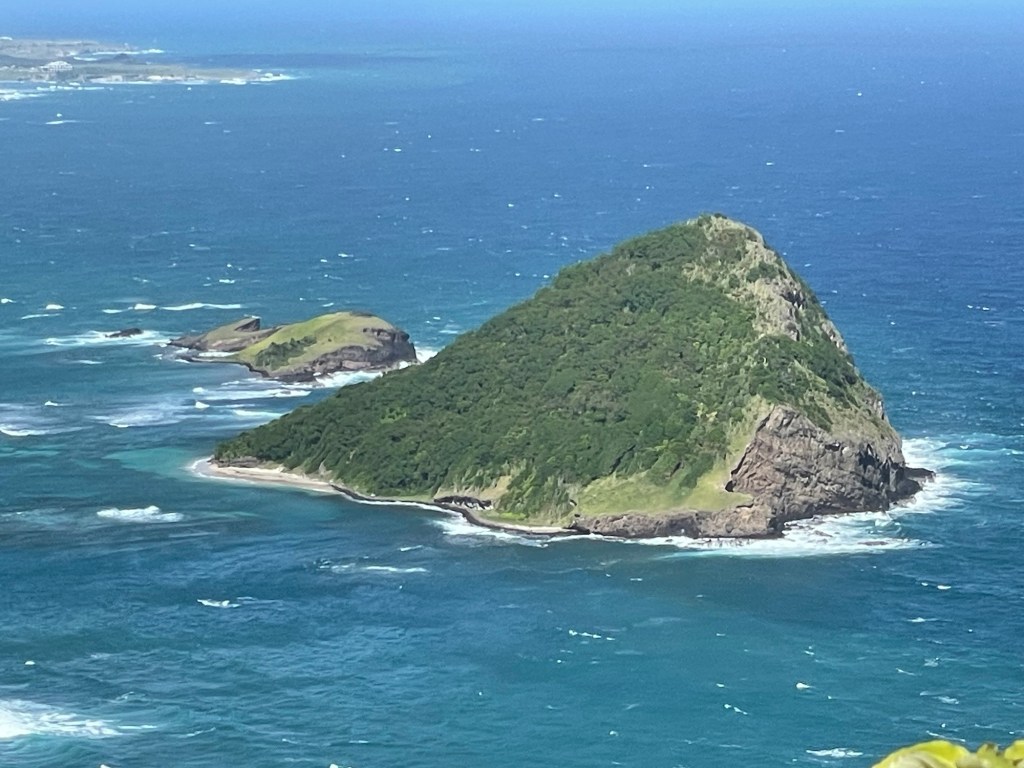
Continuing south to the furthest tip of the island, we climbed the headland at Cape Moule-a-Chique and explored around its now-defunct lighthouse. Interestingly, all the tourist photos show the lighthouse as you might expect it to look, but we found the reality to be somewhat different with the light gone and its iron dome resting on the grass below. Victim of corrosion and metal fatigue? We don’t know. That didn’t stop us from enjoying the sweeping views to the north, including the Maria Islands nature reserve. Rowan has especially hoped to visit these islands because they house the nearly extinct St Lucian racer (snake) and whiptail lizard that live nowhere else, but alas, the reserve is no longer open to the public (presumably for the animals’ protection).
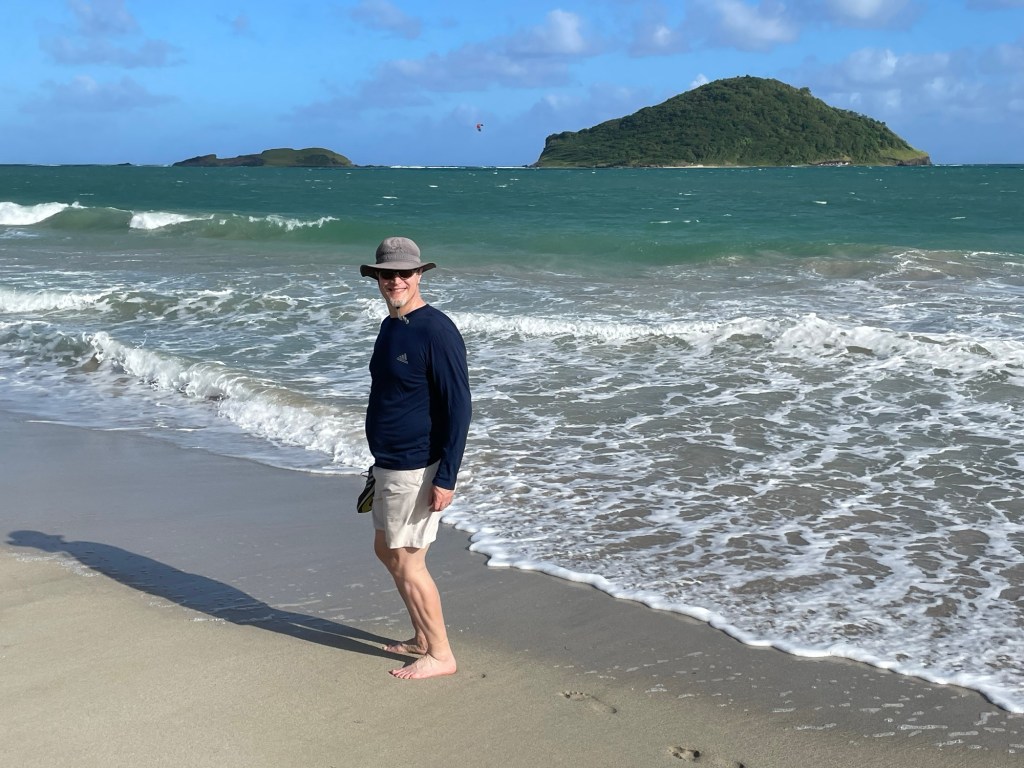
Before heading back to Soufrière, we took a short detour to see the Anse des Sables beach on the Atlantic coast. The trade winds blow steadily onto the eastern shore, making for heavier surf and a fantastic location for kite surfing. We enjoyed watching a very skilled rider zipping back and forth and catching big air off some of the waves.
We closed out the day with a tasting-menu dinner at a highly recommended restaurant. The presentation and atmosphere were lovely, but unfortunately the food was not completely to our taste. Can’t win ‘em all…

 Howes' Doings