
Today Susannah was busy all day attending her conference, so Nick set out to explore the city on foot. First on the agenda was a two-hour walking tour around the CBD. This area has been utterly transformed since a series of severe earthquakes hit the city in 2010-2011. It was the second of the four quakes on Feb. 11, 2011 that did the most damage. Although technically not as strong as the 2010 temblor, the epicenter strick much closer to the city center and liquefied much of the ground (a former swamp before being drained by settlers). Every building suffered some damage, and three quarters ultimately had to be pulled down. The iconic Anglican cathedral would have been cheaper to bulldoze and replace, but had such popular sentimental support that authorities decided to repair it. Unfortunately, the insurance payment was insufficient to complete the job, so it now stands only partly finished, waiting for more funding. Although it doesn’t look too bad in this photograph, what you cannot tell is that the gable end with the beautiful rose window facing the camera is just plywood with a poster glued on top.

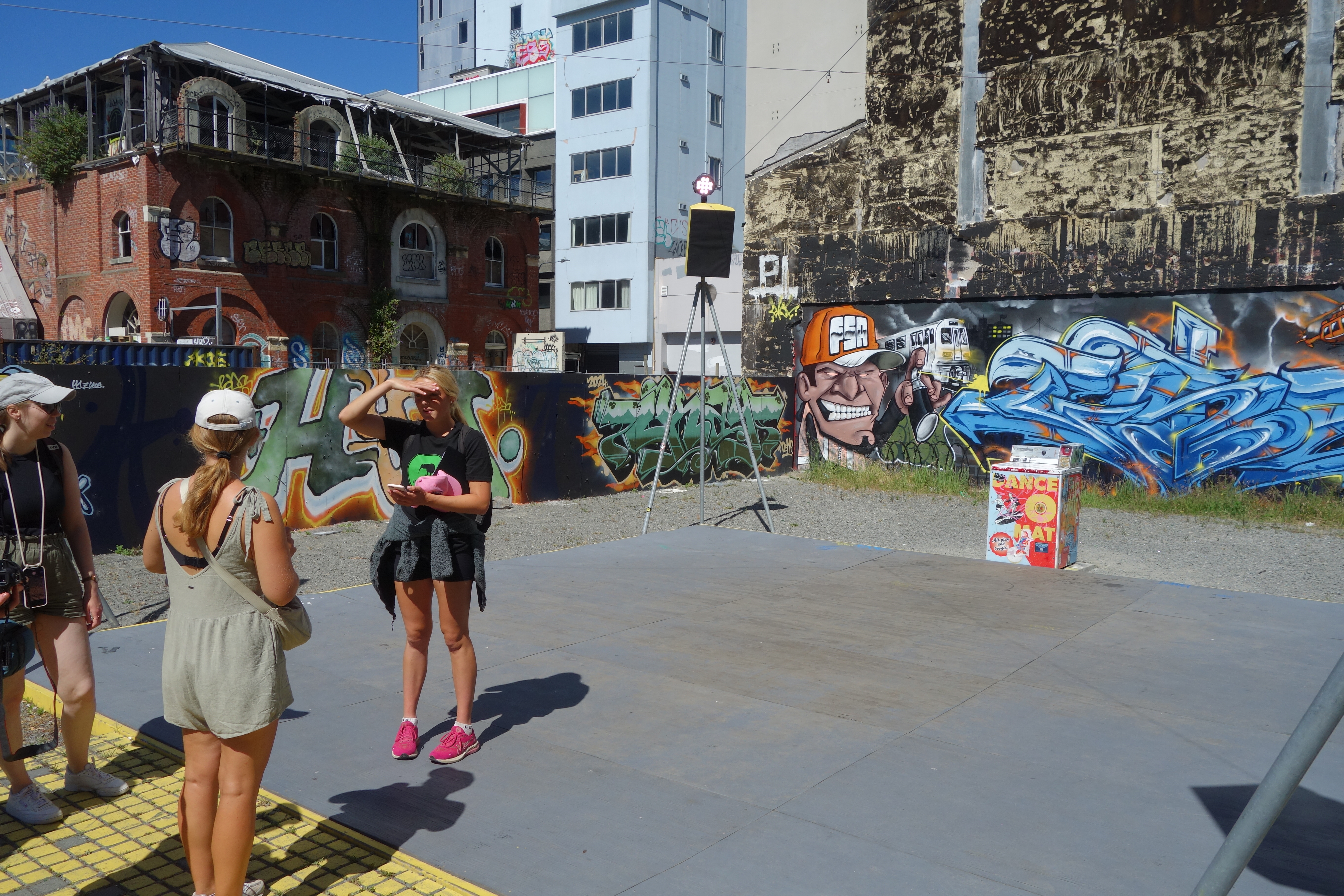
While much of the city has been built anew, they didn’t blindly replicate the previous design. The city is being redone with much more open space, which will eventually become parks and greenbelt. Smaller lots that are still awaiting redevelopment have been temporarily repurposed by the “gap filler” initiative into impromptu play areas. Many of the walls in the city have been covered with murals and other decorations, in an effort to keep up the spirits of the population as they faced the difficulties of rebuilding.
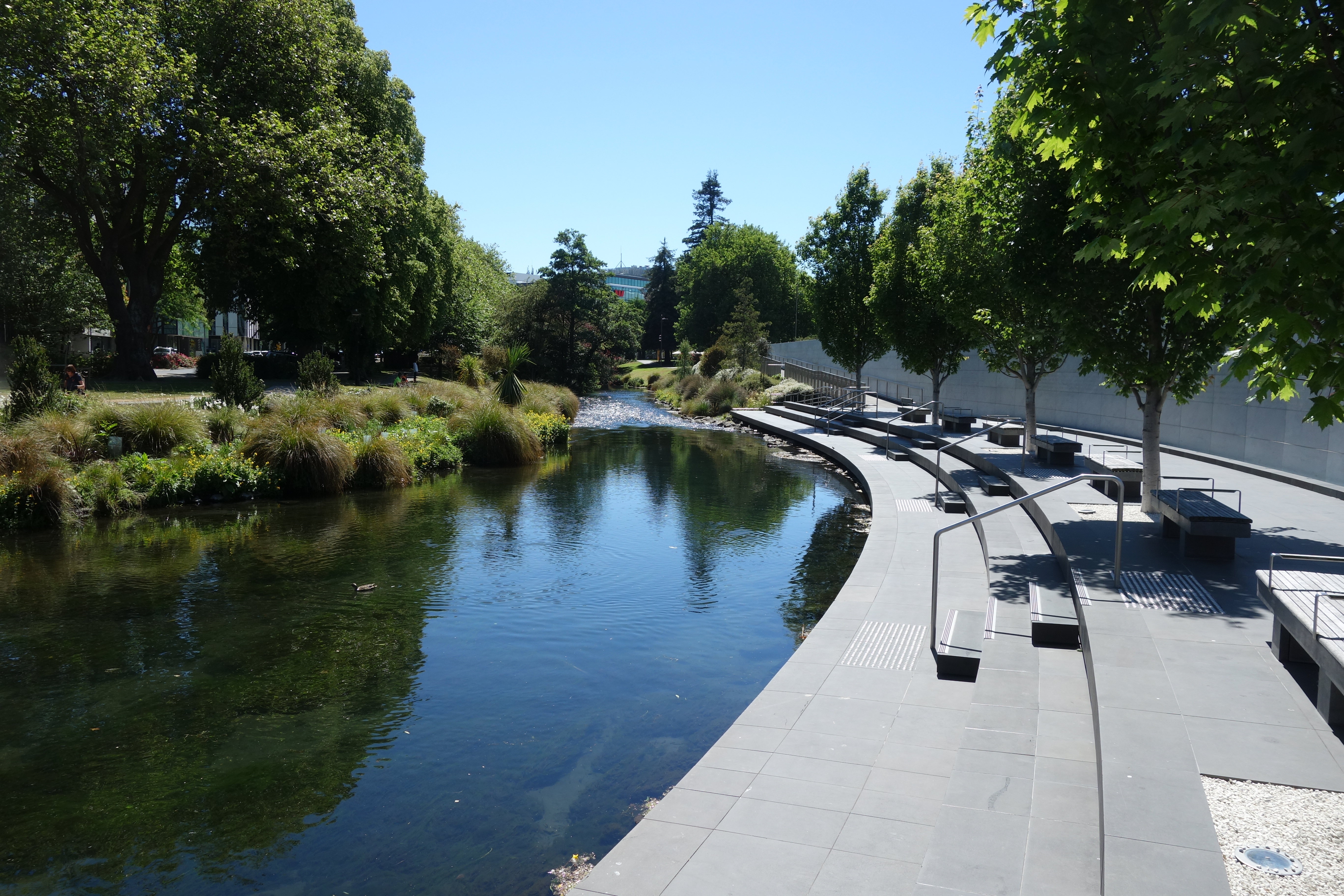
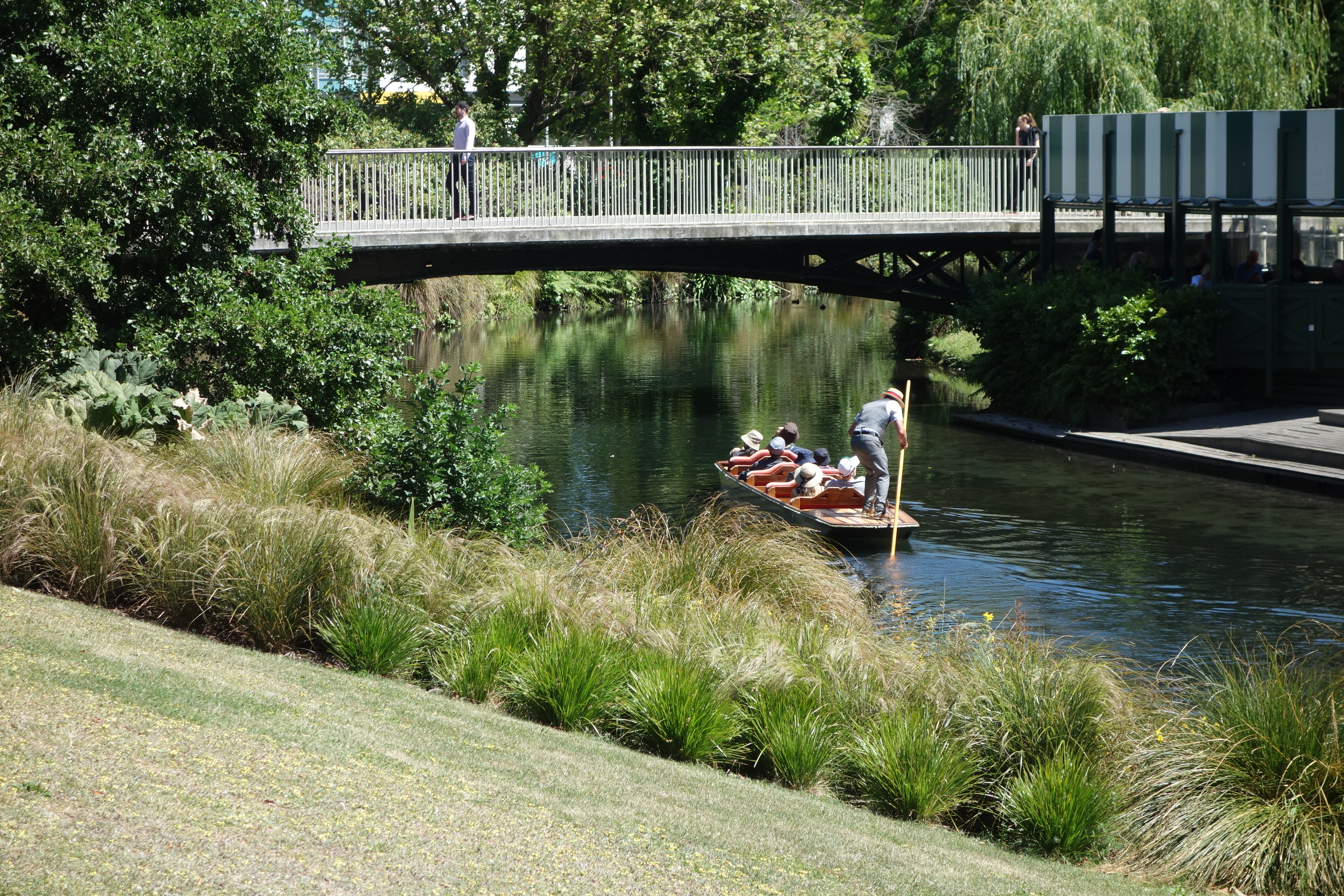
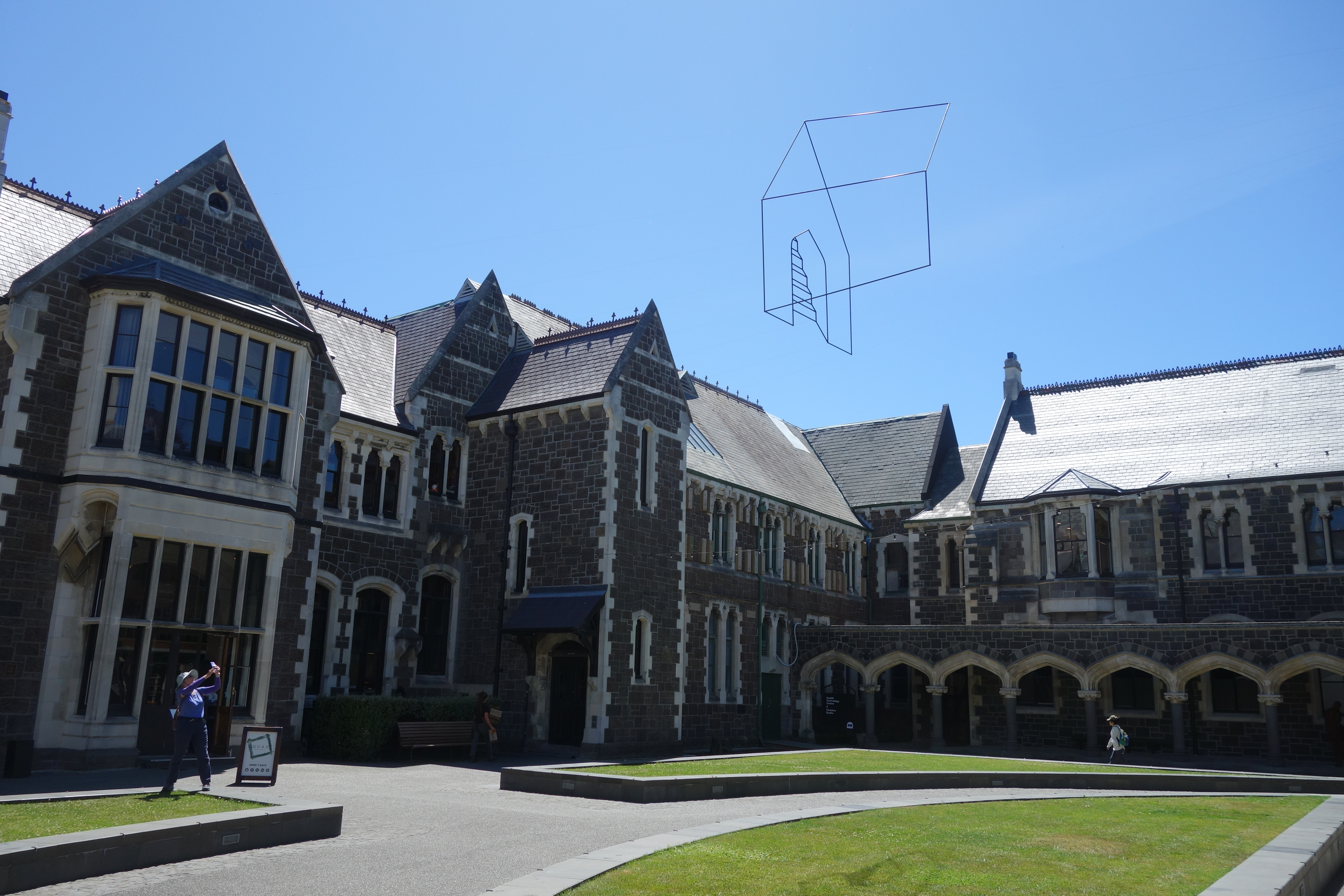

Deciding that one tour wasn’t enough, Nick joined a second in the afternoon, this time of the Botanic Garden. As it turned out, he was the only person who showed up, so ended up getting a personalized journey past all the guide’s favorite sights. She was knowledgeable on a variety of subjects and enthusiastically pointed out all sorts of unusual curiosities.
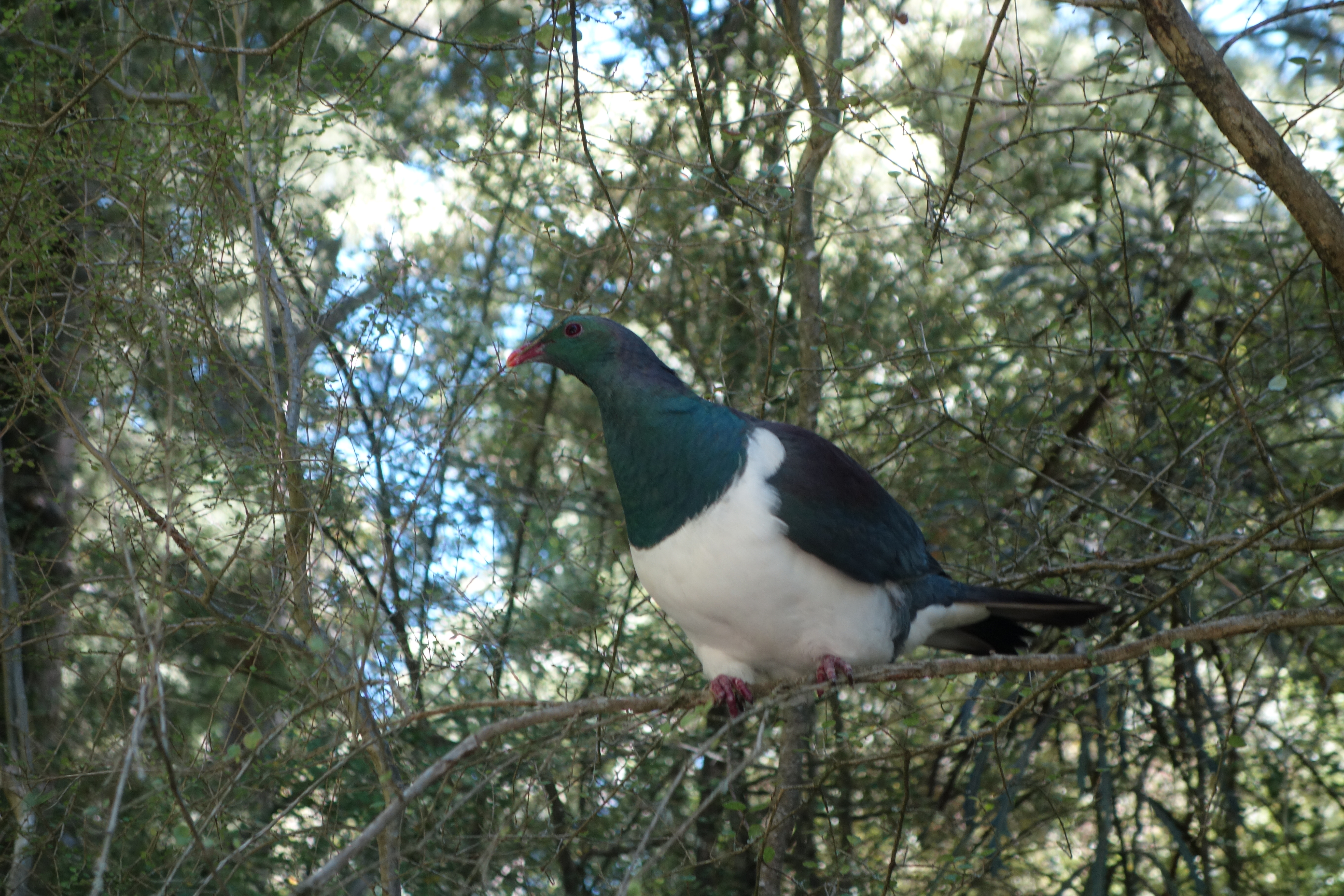

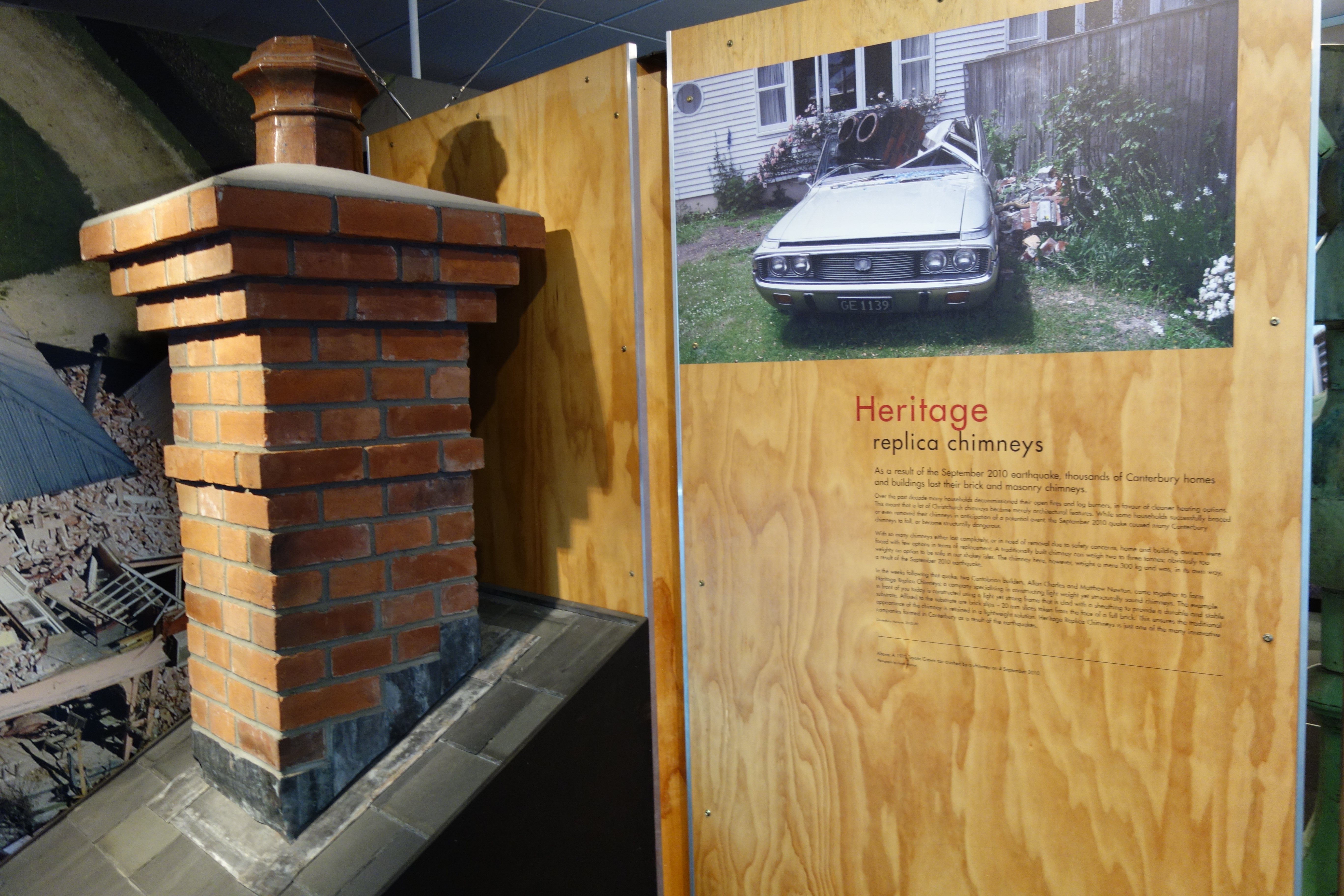
Nick’s last visit of the day was to Quake City, a museum that presents the story of the earthquakes and their aftermath. Besides audio and visual documentation of the events, there were also fascinating pieces of trivia. Did you know that it is possible to get a nonfunctional replica chimney installed on your house? Chimneys can weigh several tons, and many were knocked down by the shaking. Rather than rebuild as before, perching another giant boulder way up on the roof, many homeowners who wanted to restore the look of their homes in a safer manner opted for these replicas, which use brick veneer and other techniques to mimic the older look in a unit that weighs under 500 pounds. In general, all the reconstruction in the city must now meet stringent building codes. Most of the commercial buildings are on base isolation dampers, and scientists and engineers have been exploring ways to prevent soil liquefaction in the future.
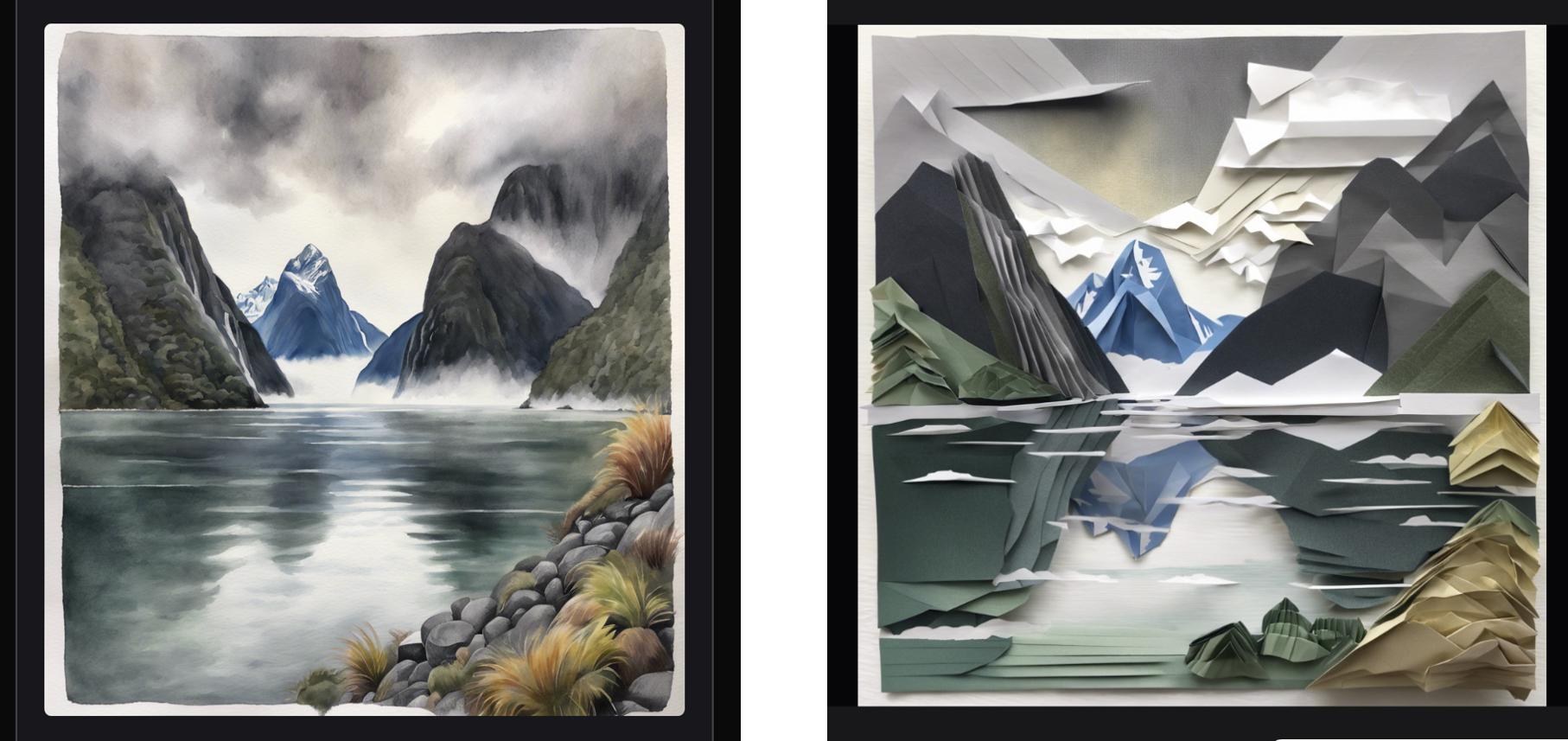
If you’re wondering about Susannah’s day, she attended some excellent sessions. One delved into new text-to-image technology. Assisted by AI, she generated some new images of Milford Sound, shown below. It’s a beautiful landscape, in person and digitally generated!
 Howes' Doings