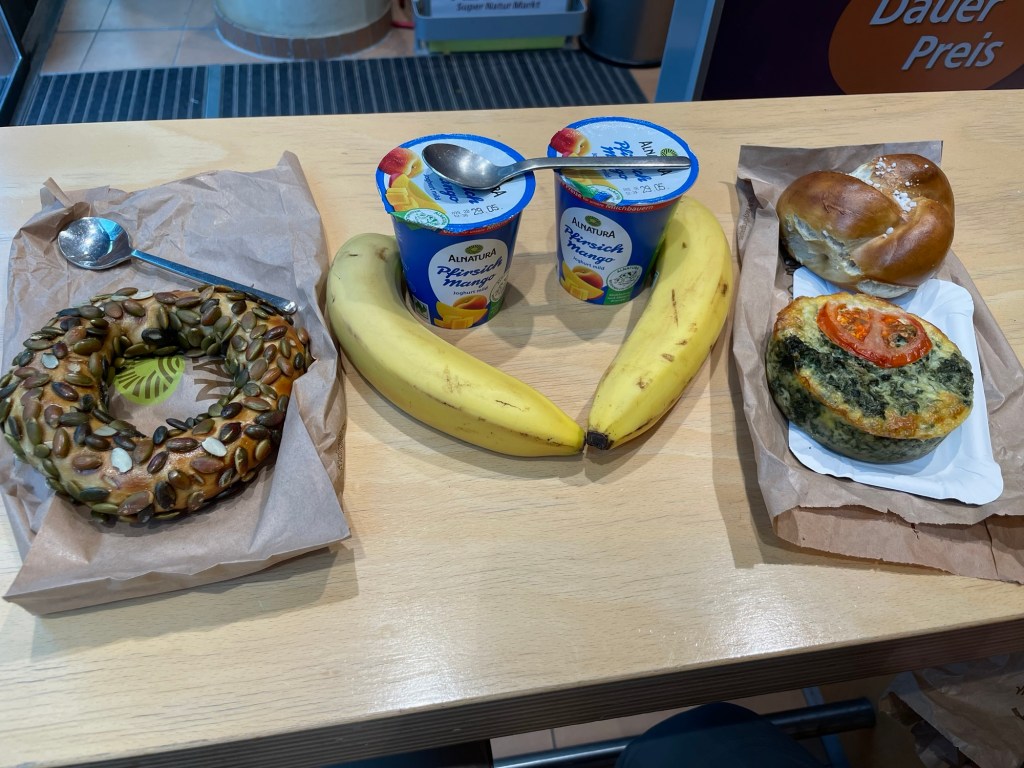
Today after a quick breakfast at the local natural food store (80% discount off the hotel breakfast!), we took an early taxi across the Elbe River to Finkenwerder, where Airbus has a large assembly facility. The tour lasted for two and a half hours, during which we visited three different hangars where different steps of the process occur — first the sections of fuselage are mated together, then the inside wiring and ductwork is added, before they are painted and given engines. The various pieces come from different countries: tails from Spain, nose and forward section from France, and the back and middle are made here in Hamburg. (As a pan-European project, Airbus has to distribute its production to maintain political support in the major nations of the E.U.) Unfortunately we cannot show you any pictures because cameras are strictly forbidden during the tour. Since the tail and wing sections come pre-painted, they create a strange contrast with fuselages in only green or brown primer coat.

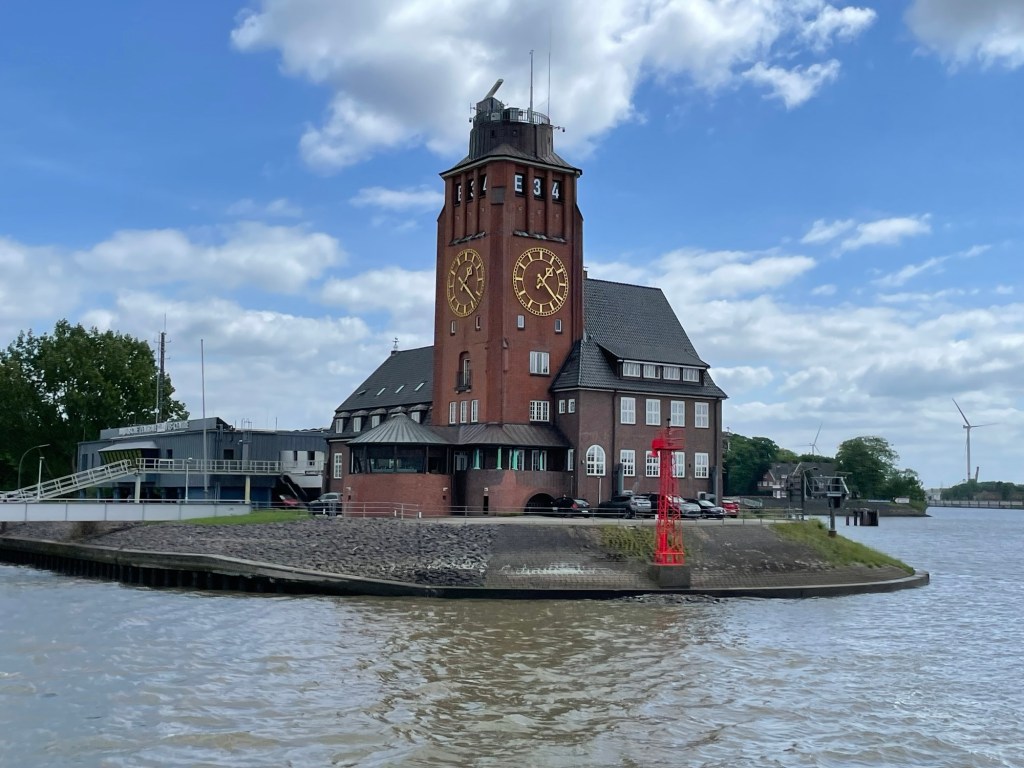
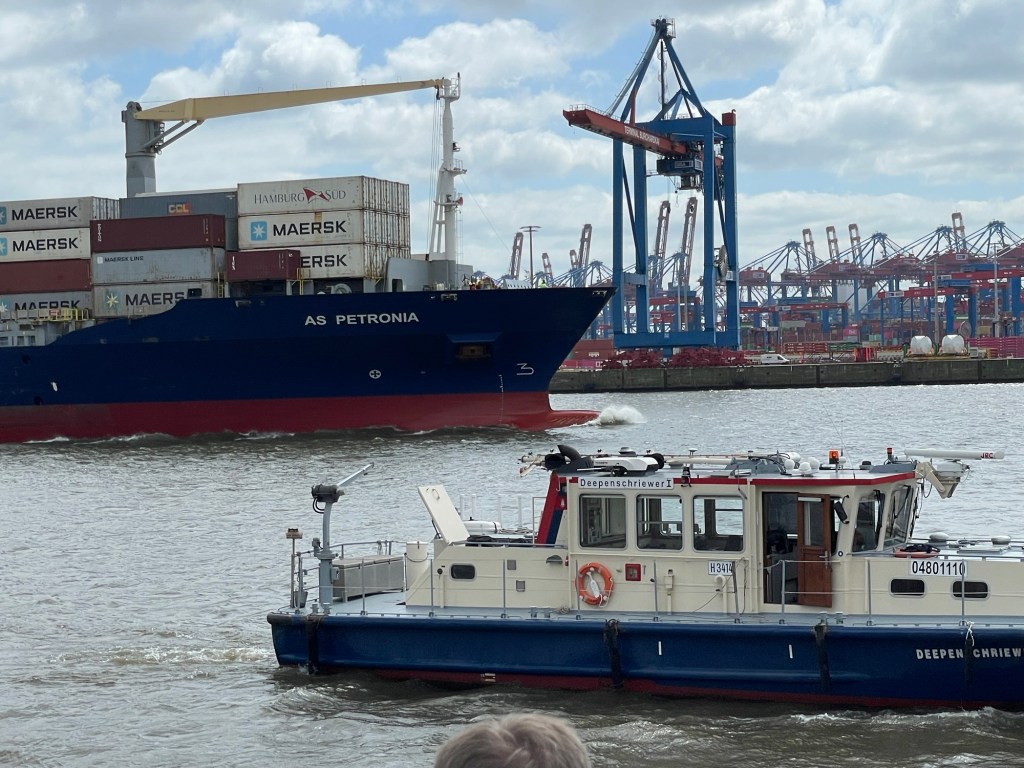
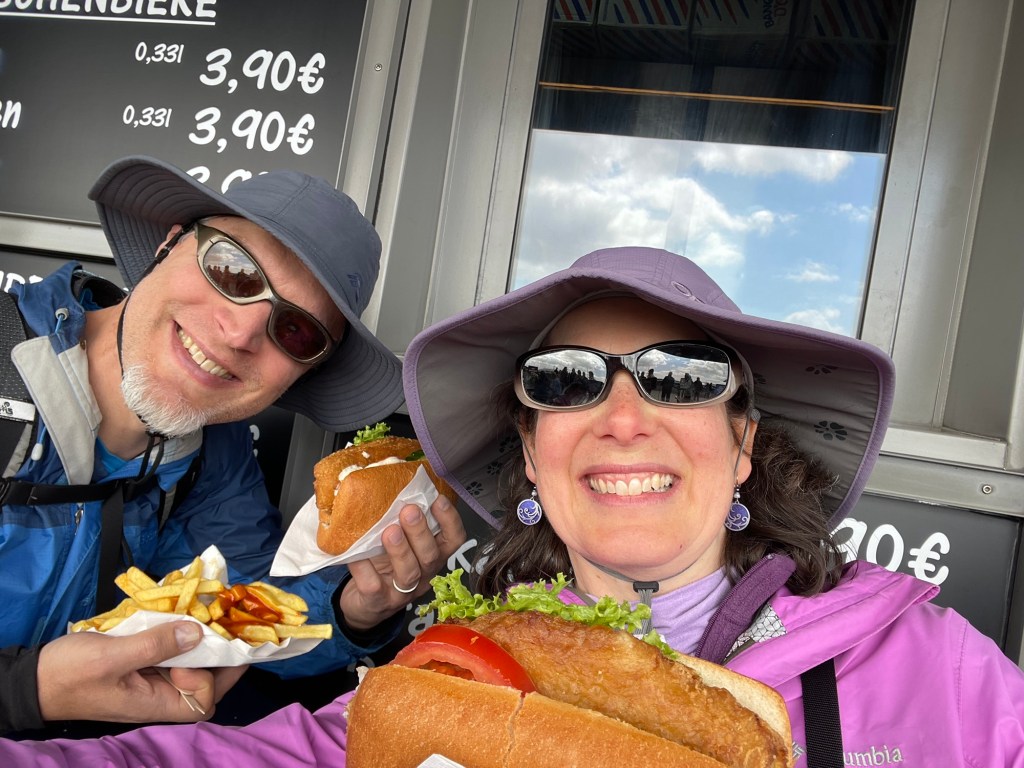
Heading back to the main part of the city, we were in a little bit less of a hurry so we opted to take the ferry and sit on the top deck, since the weather had turned for the better. Hamburg is a very busy industrial port, so we saw many cargo barges, tugboats, and even a large container ship or two going by. Upon landing we picked up lunch from a waterfront establishment that sold fish and seafood sandwiches.

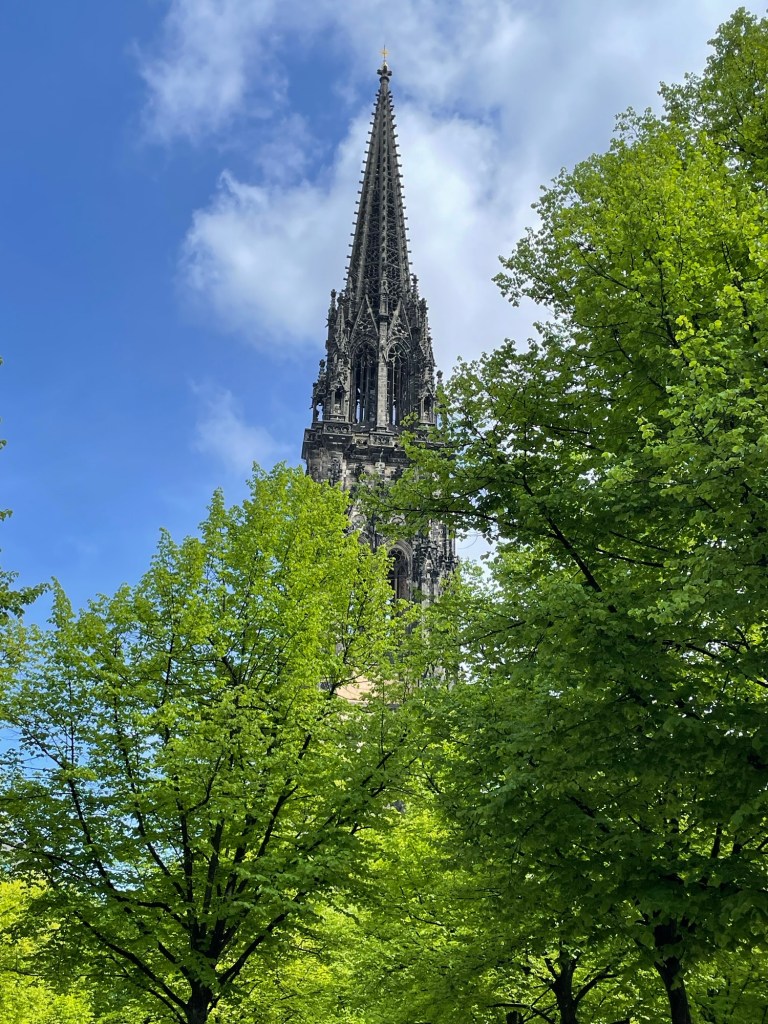
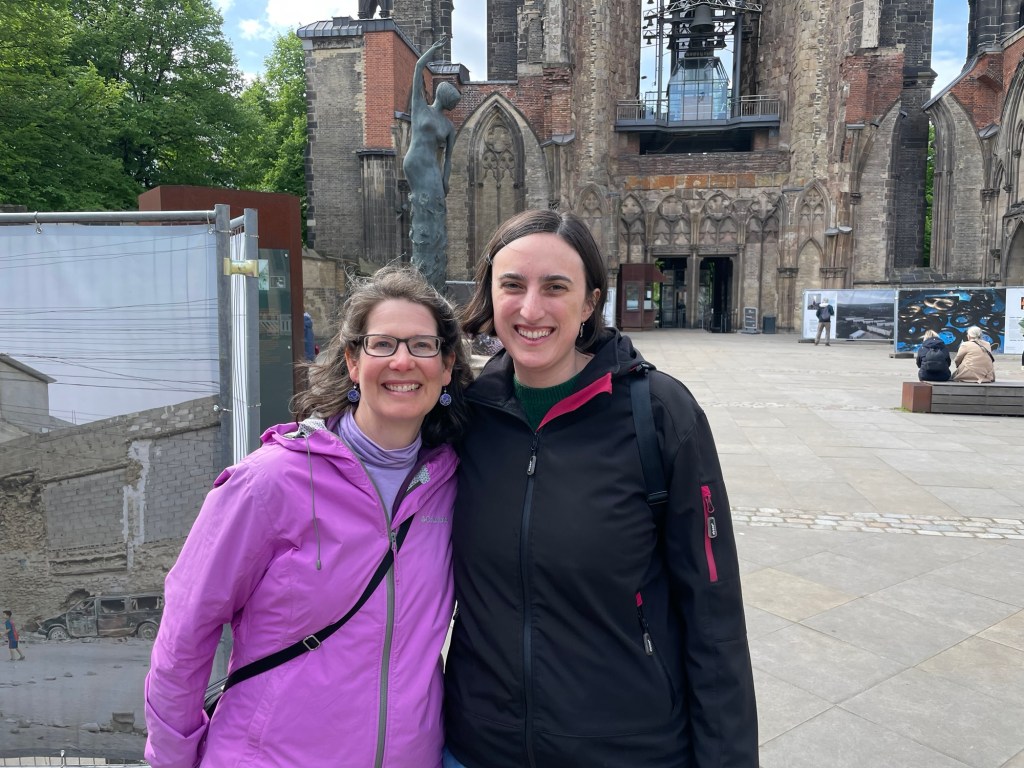
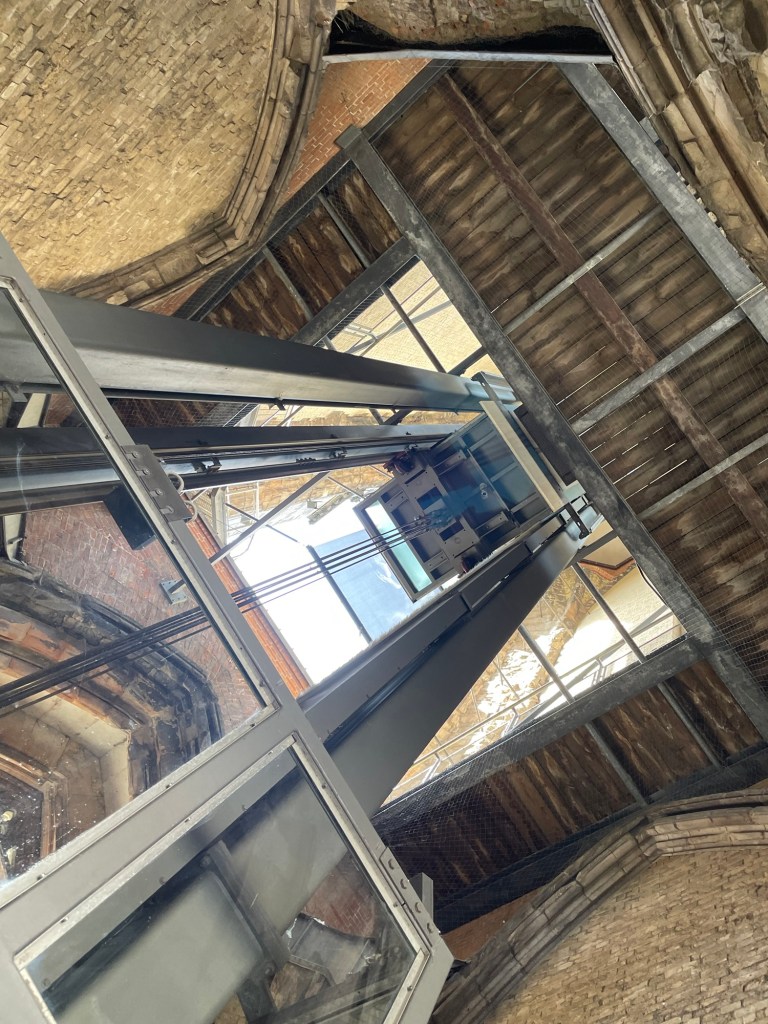
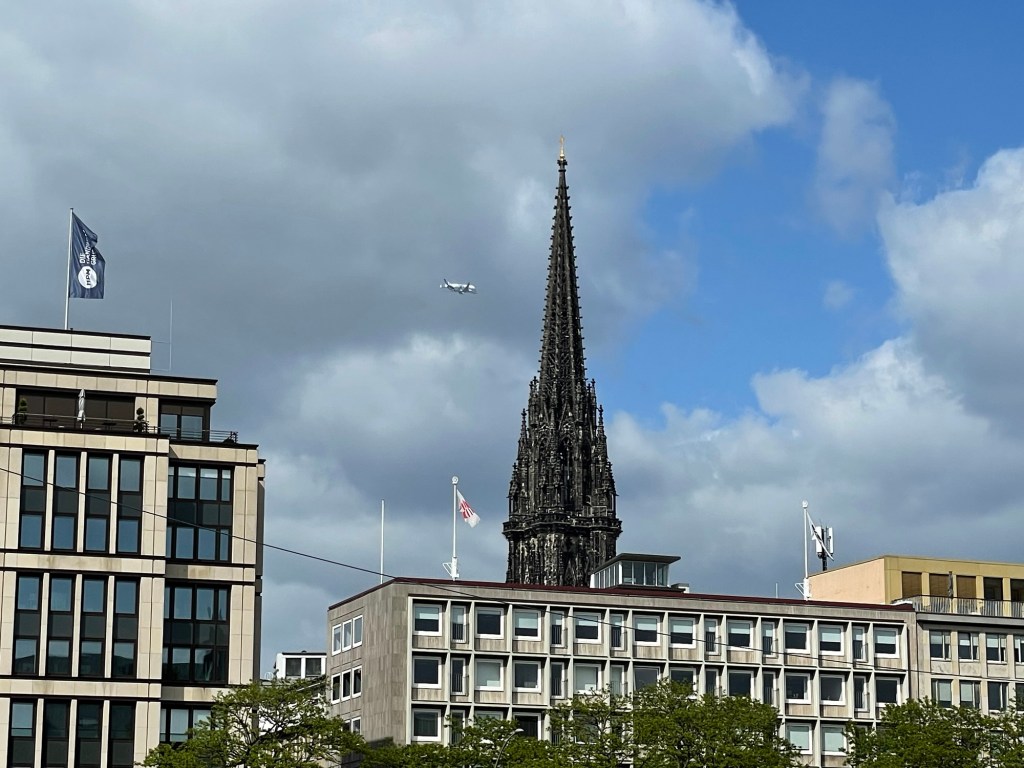
From the waterfront it was a short walk through the city’s canal zone to St. Nikolai’s church, where we were meeting Susannah’s former student Taylor Beall. The church was burned out during the Allied incendiary bombing raids in 1943, and has been left in ruins as a memorial to the many people killed. Its tall spire was left intact because the bomber crews used it for navigational purposes. It stands to this day still covered in soot, and a recently installed elevator takes you up to a level with views of the city. In the crypt below the former church, a small museum holds an exhibit about the bombing and its aftermath, which killed tens of thousands (and was seen as a response to earlier German bombing campaigns during the Blitz).
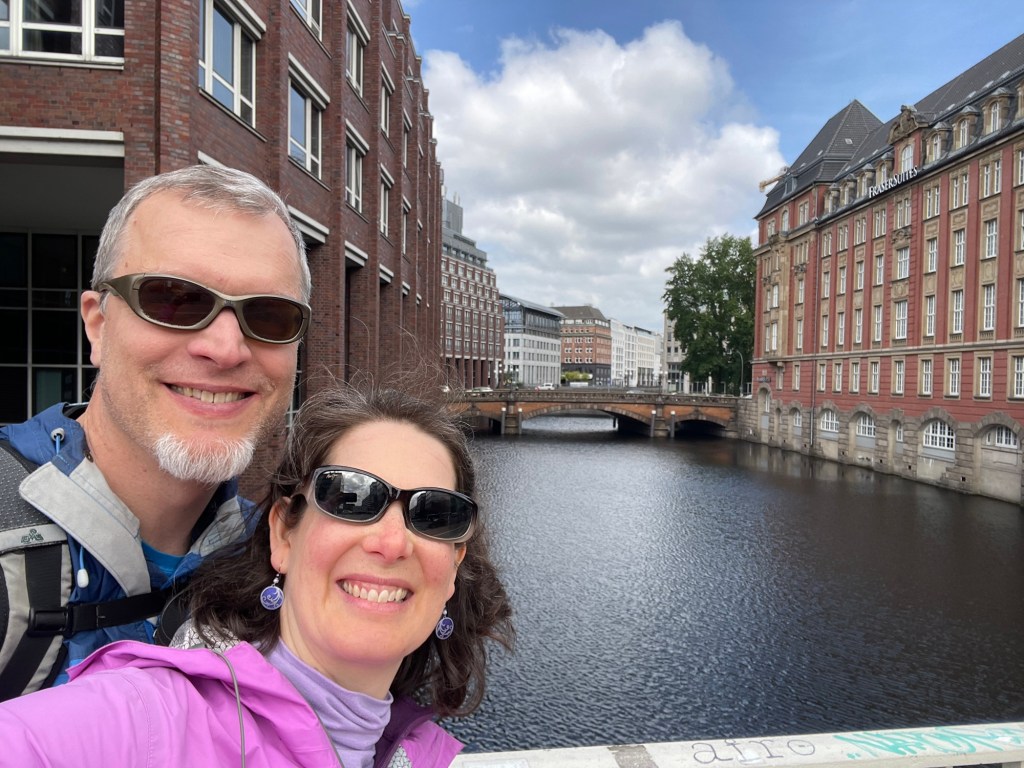
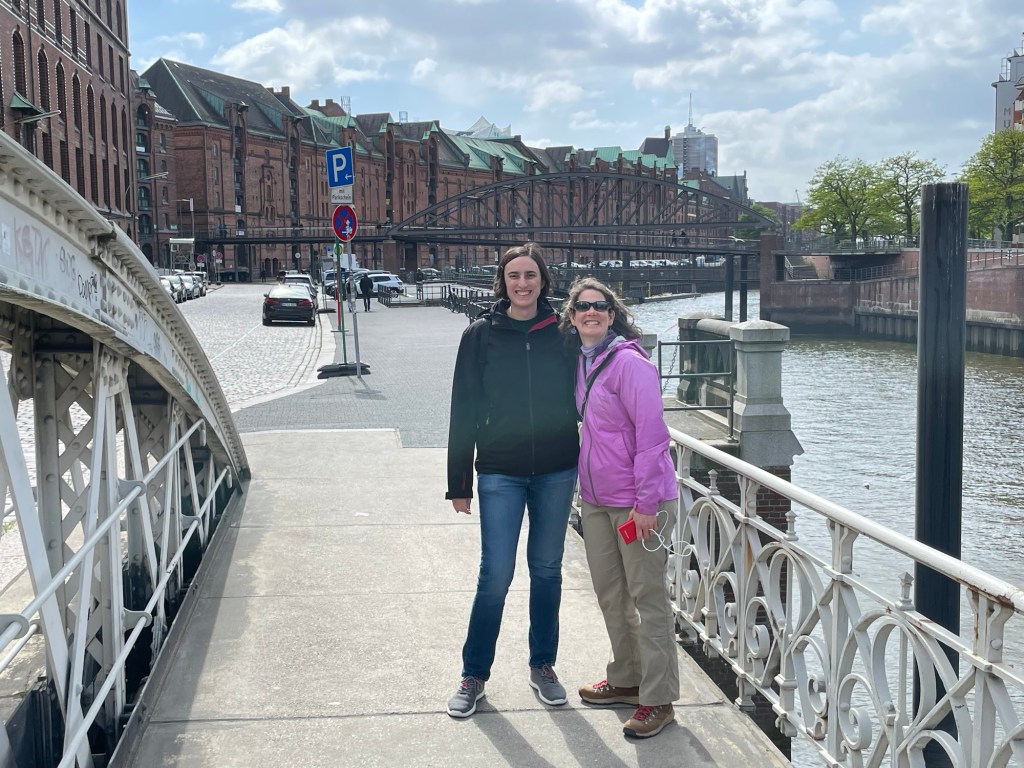
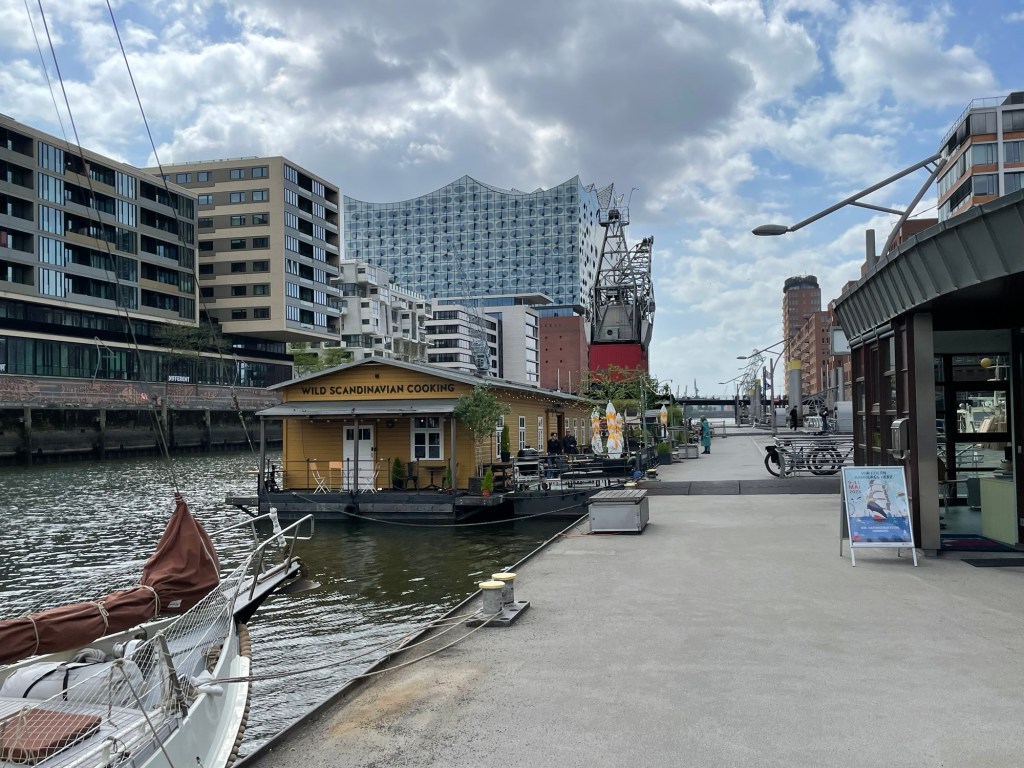
The canal district is prone to flooding, whenever a storm surge from the North Sea combines with high flow in the Elbe river. Knowing this, the lowest levels are used for car parks and other functions that can be temporarily suspended. The walkways that connect across the canals have multiple levels so that the buildings will still be connected even when the water is high. Some of the buildings overlooking the water have interesting architectural styles, cantilevering out for the best views.


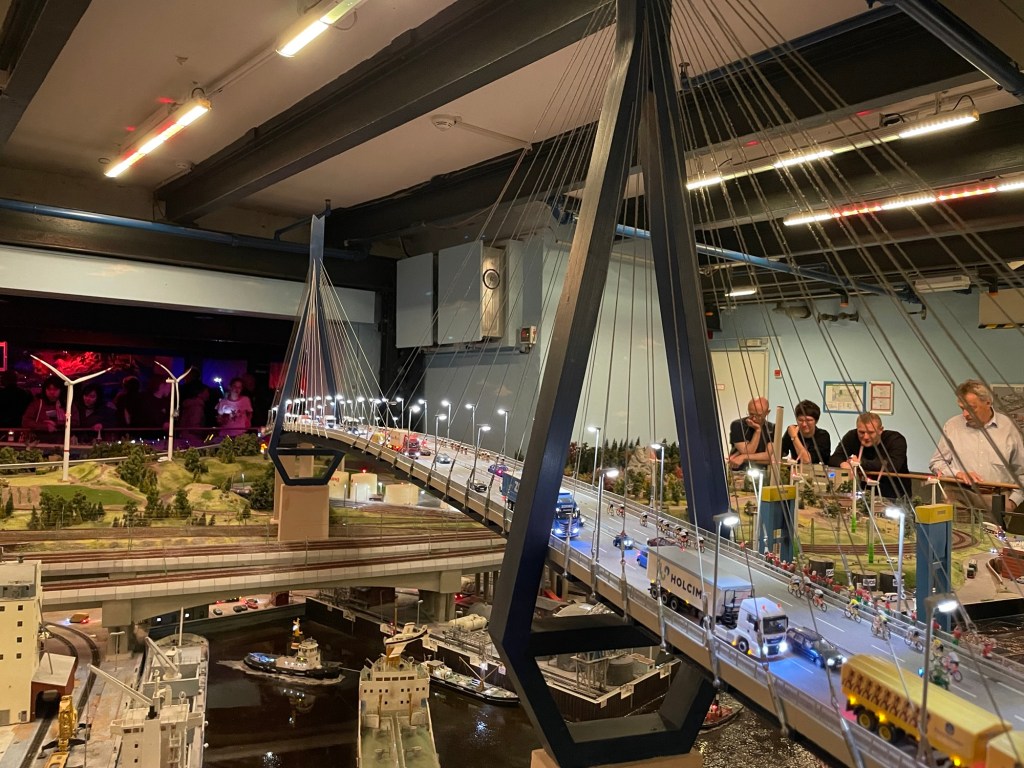
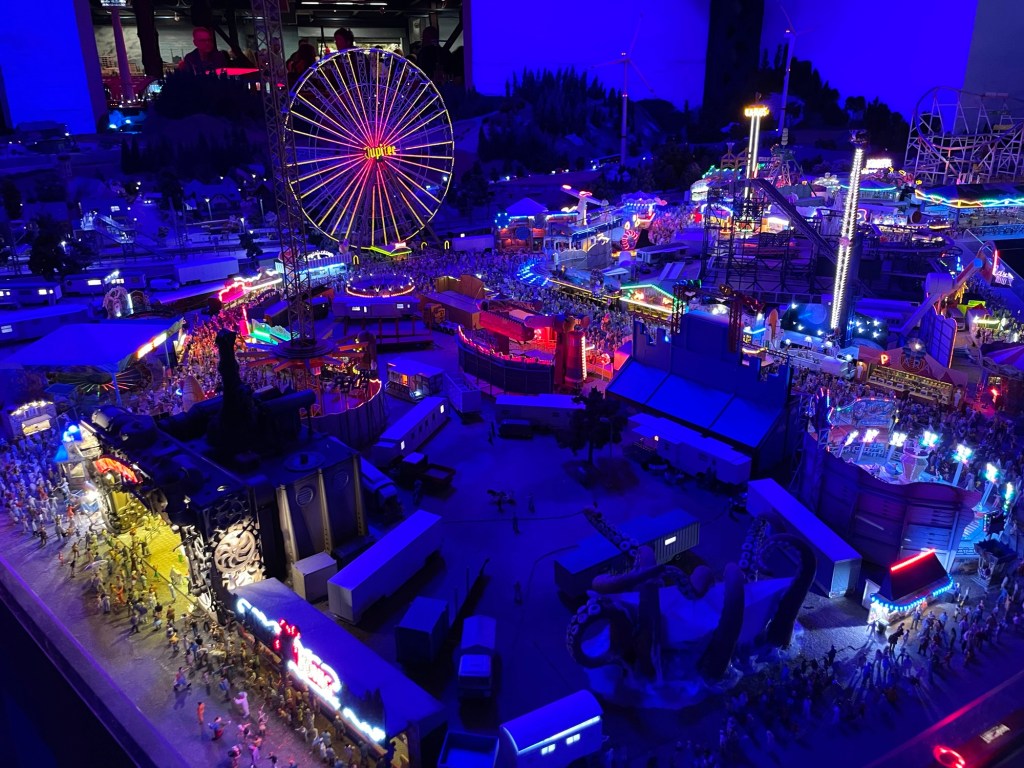
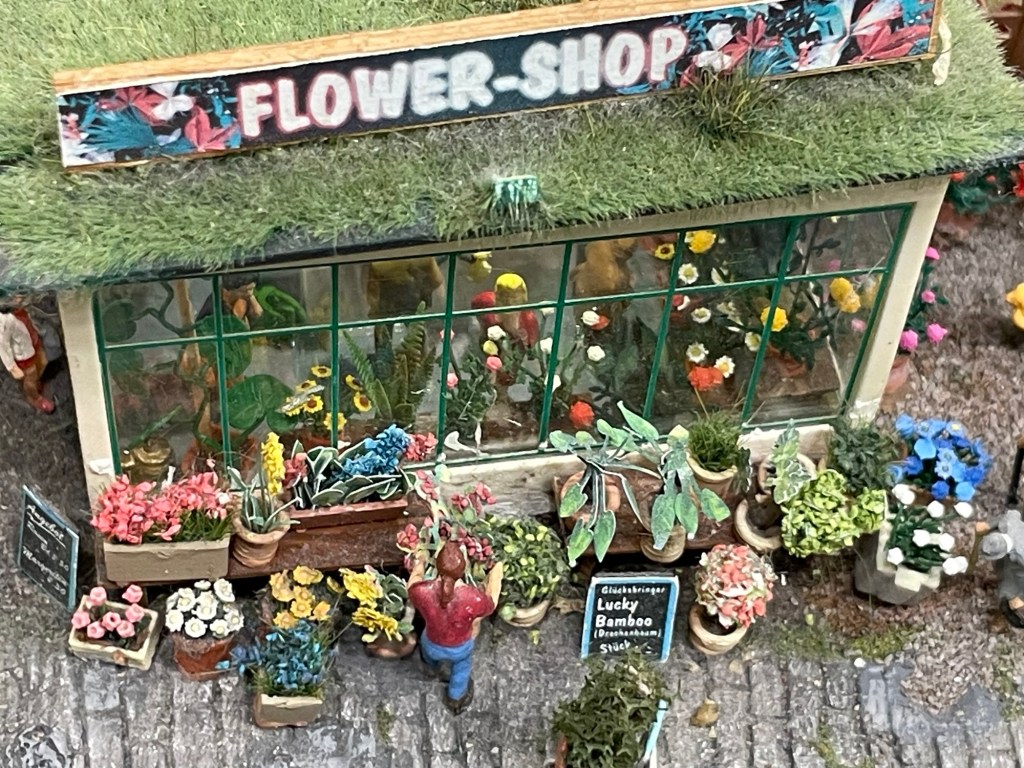
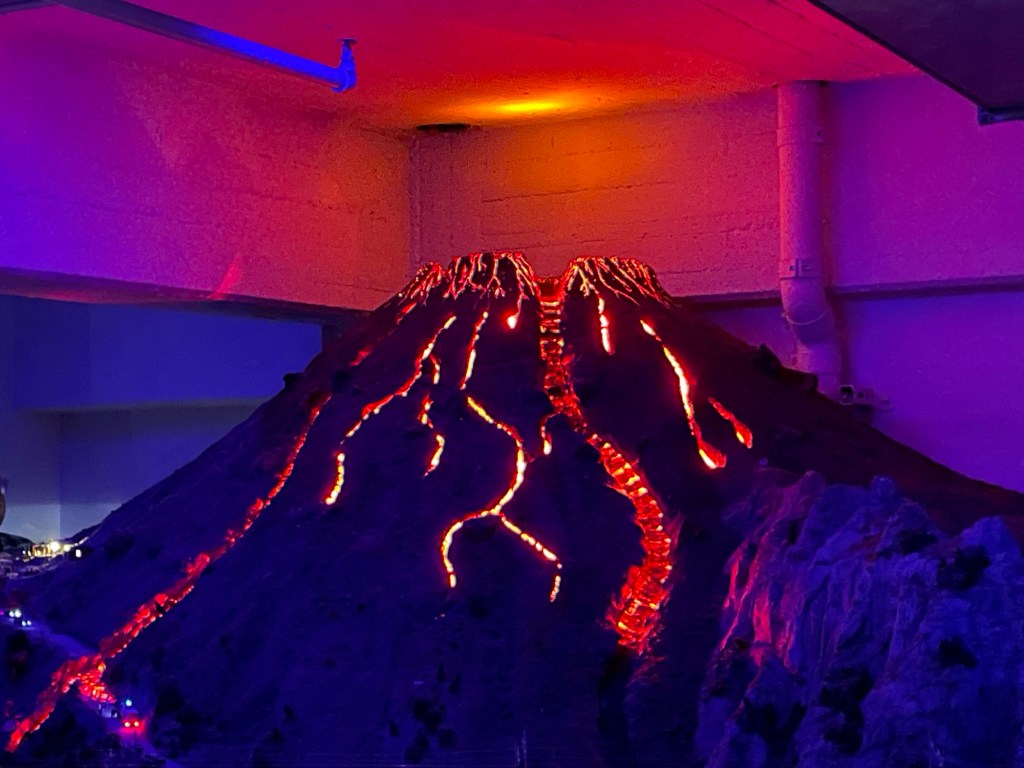
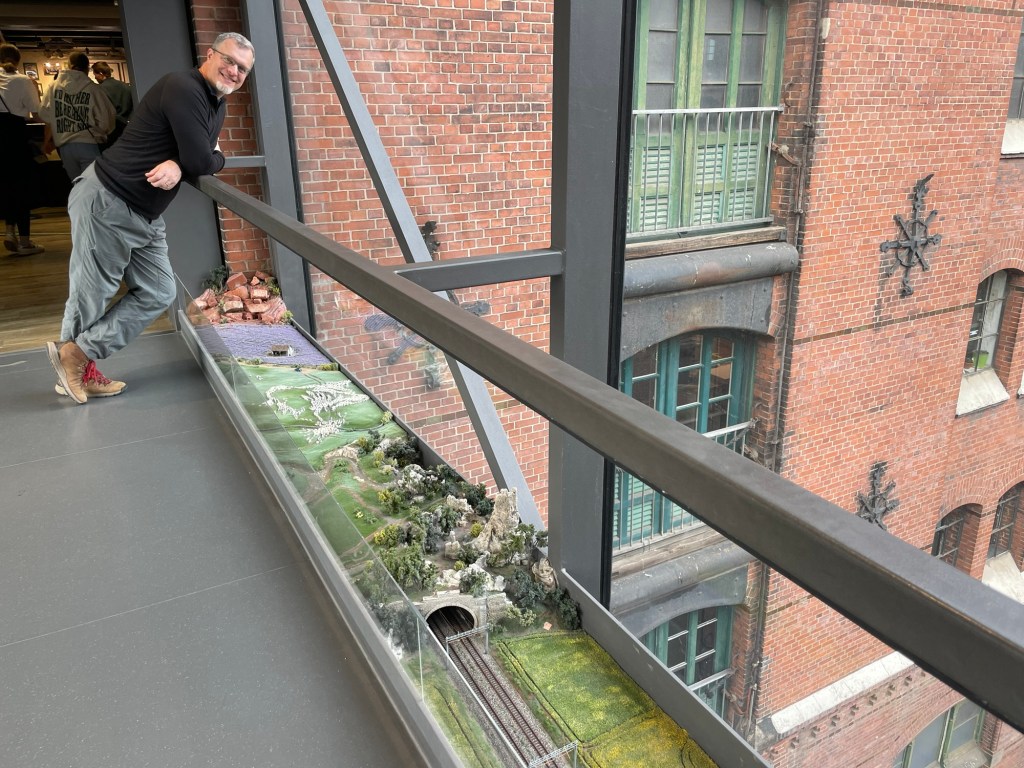
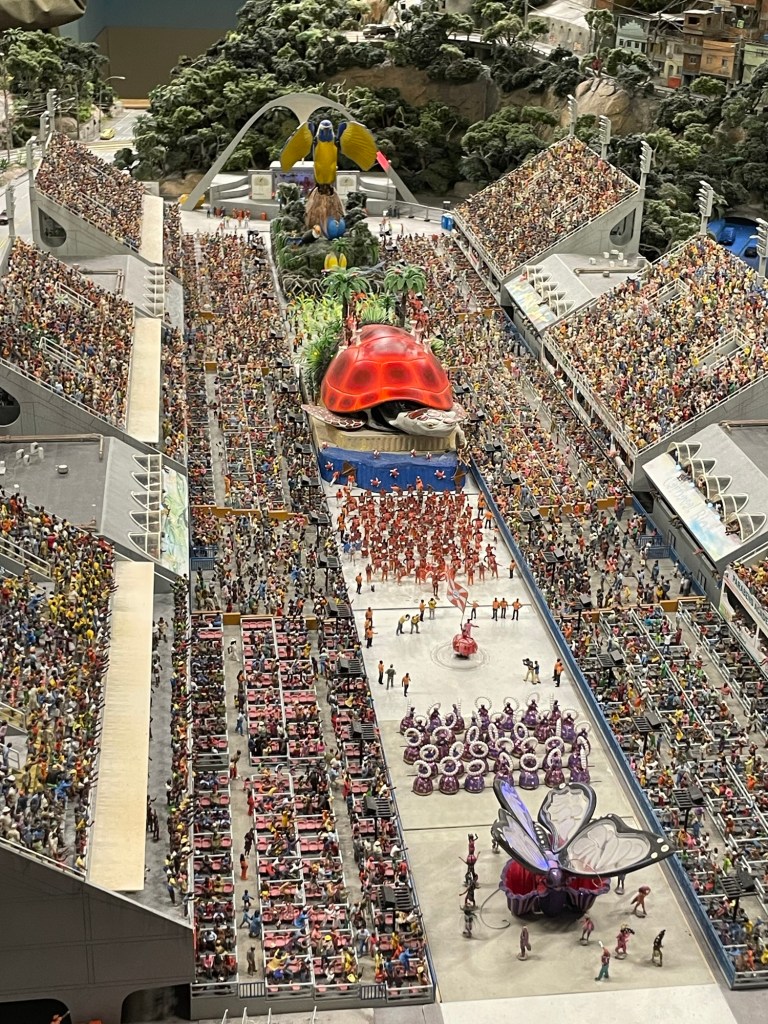
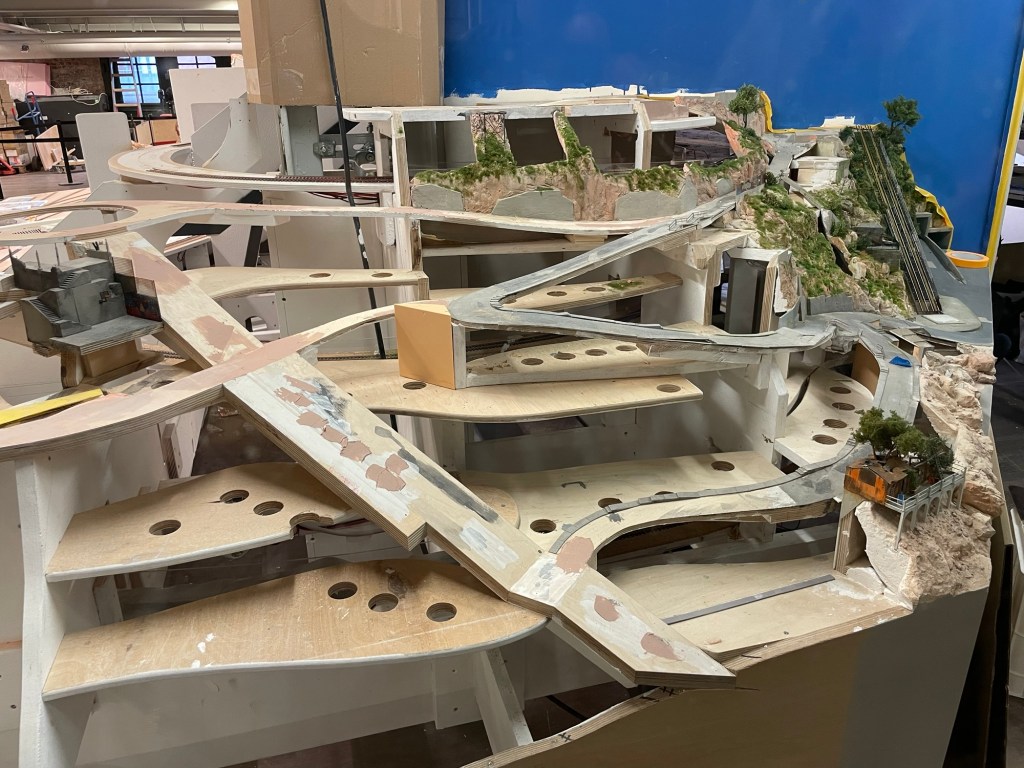
Our last sight of the day was the Miniatur Wunderland, housed in one of the old warehouses in the canal district. This museum began as a project to create the largest model railroad layout in the world. Twenty years later, it now covers multiple floors of the building and represents more than a million hours of construction work. In places, visitors could press buttons that activated certain parts of the display: operating cranes, chairlifts, drawbridges, etc. Other parts were run automatically or operated by staff from a control room.







 Howes' Doings