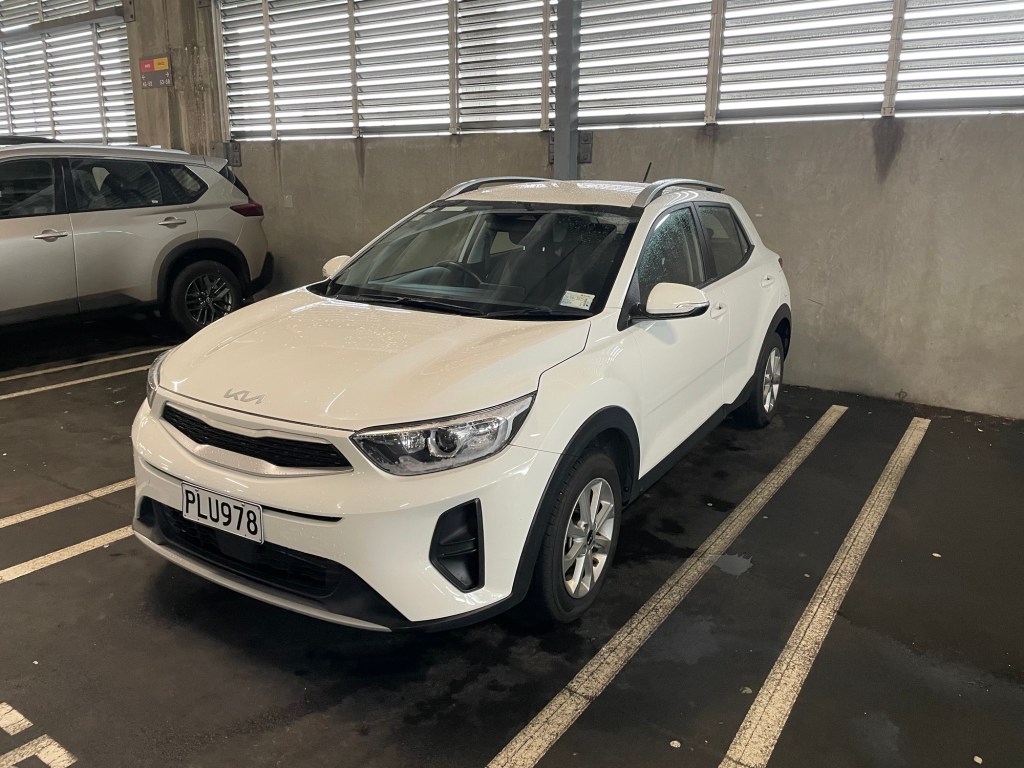
By this morning the weather had set in for a long day of rain. That by itself would not have disrupted our plans, but heavy offshore winds meant that the sea kayak trip we had intended was a no-go. Instead we left Auckland as planned in a spiffy white rental car (with constant self-reminders to drive on the left) and headed for the gold rush town of Thames, located on the Coromandel Peninsula to the east.
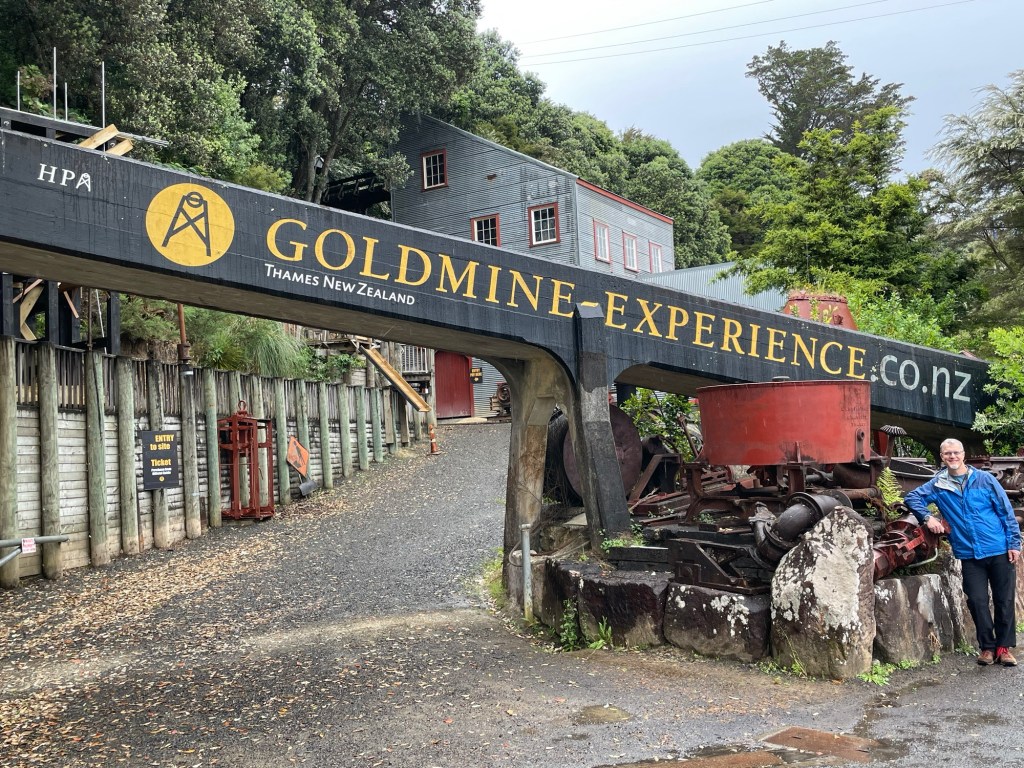
For some strange reason all the tourist attractions in Thames close incredibly early in the day, so we had to hurry just to make it to any of them on time. We arrived at The Goldrush Experience (open 10am-1pm) only ten minutes before closing time, but the friendly guide had sympathy and took us on the entire 40 minute tour anyway.
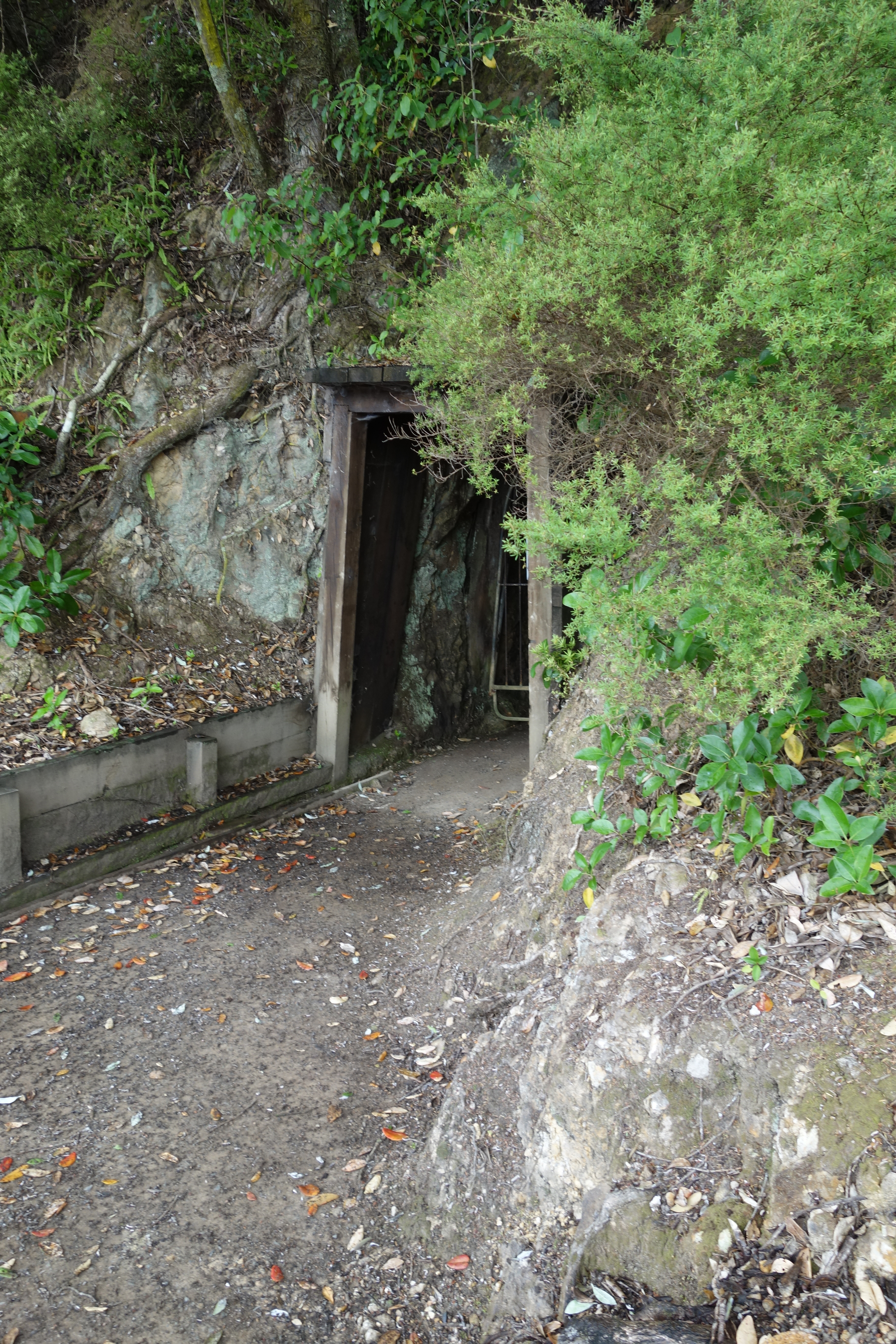
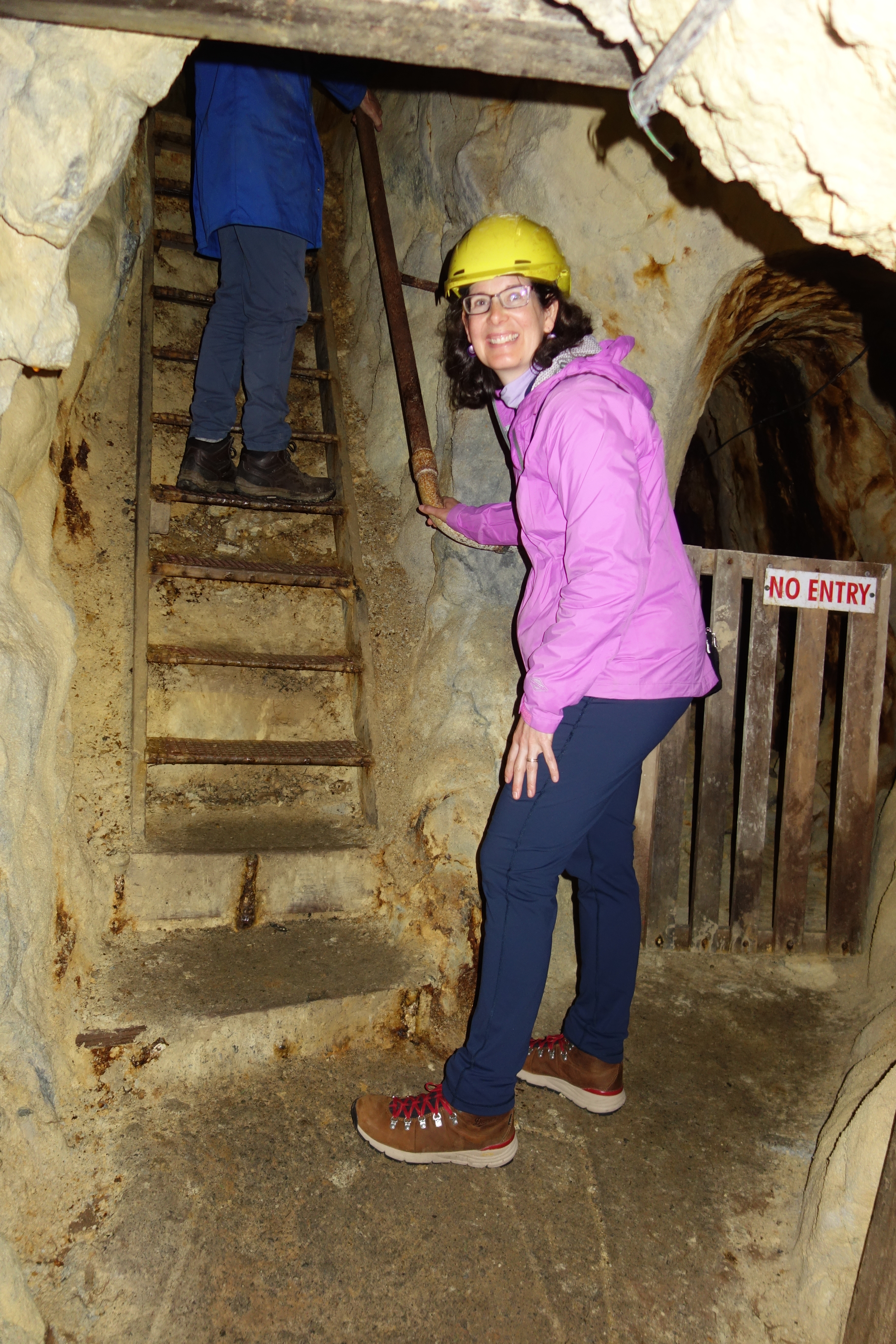
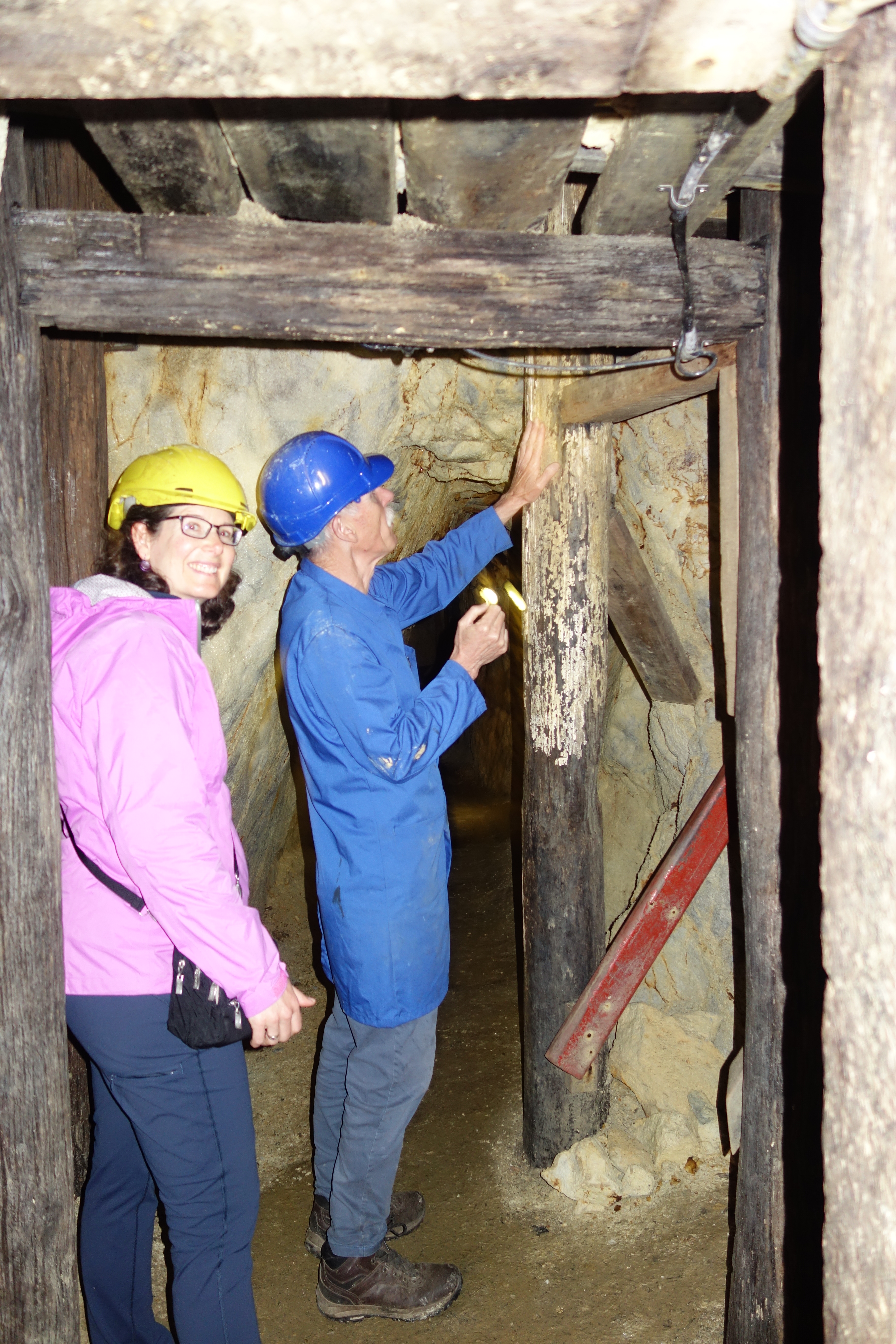
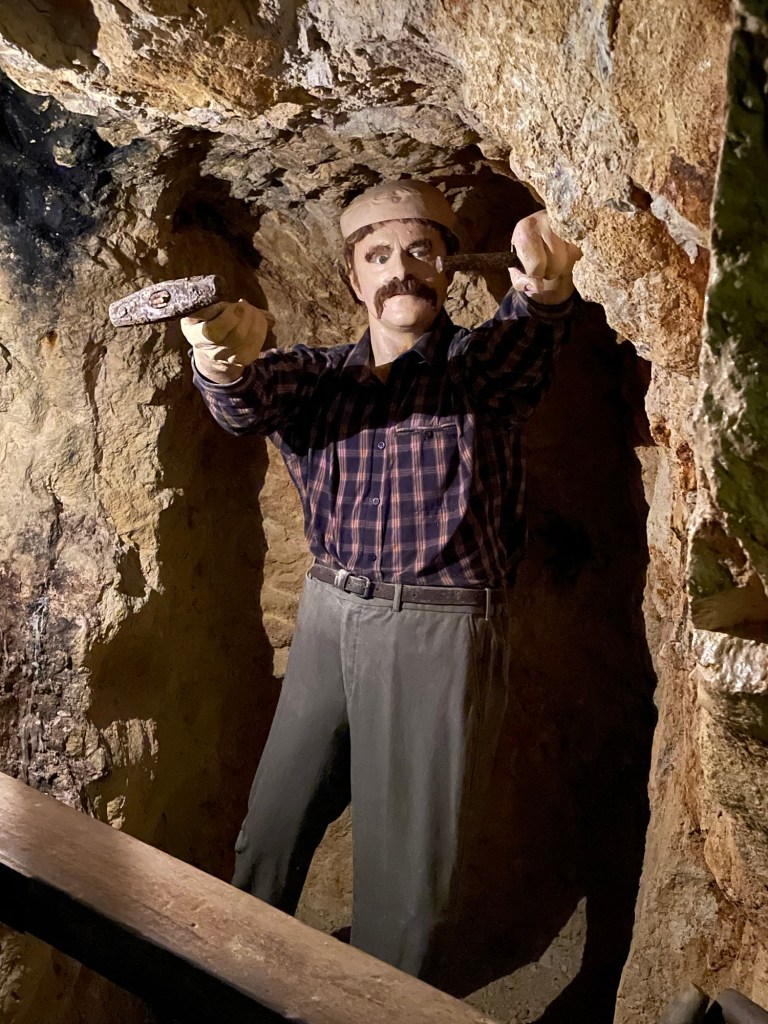
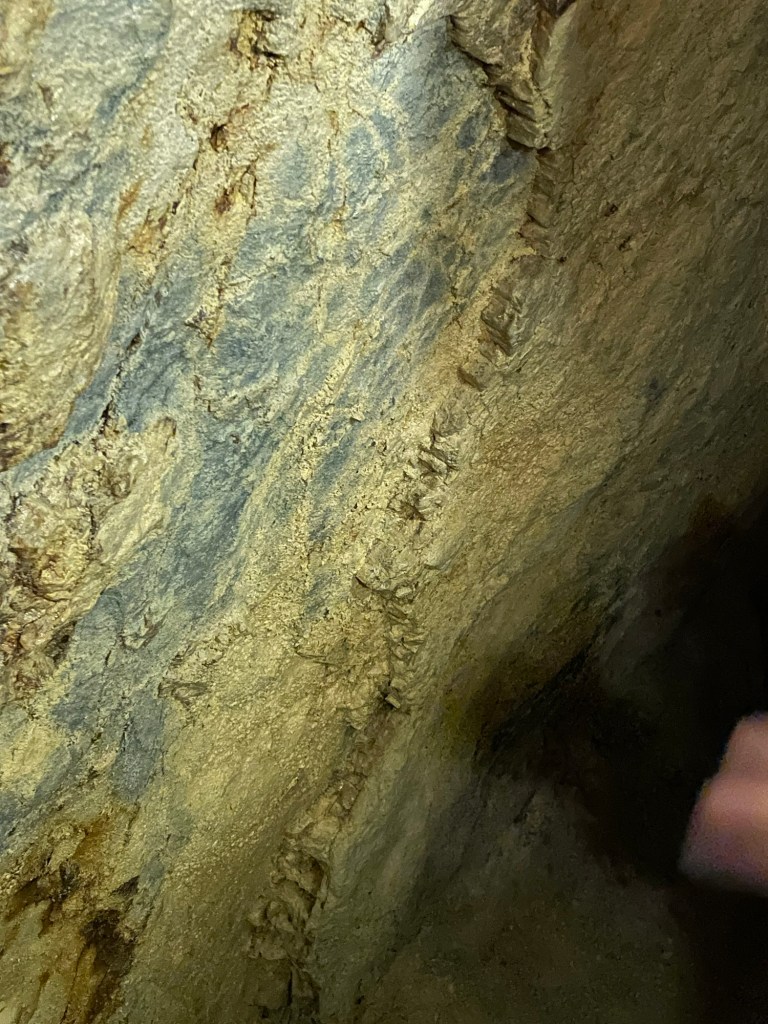
We began inside one of the mine tunnels on the property. It was dug by Cornish miners, which meant that the work was skillful and the ceilings are low. Working as a team of three, they could dig about 3 to 6 feet per day through the volcanic rock, searching for veins of quartz that might contain flakes of gold. The section we visited was a prospecting tunnel, dug on speculation. If the miners didn’t strike gold, they received no compensation for their time and effort.
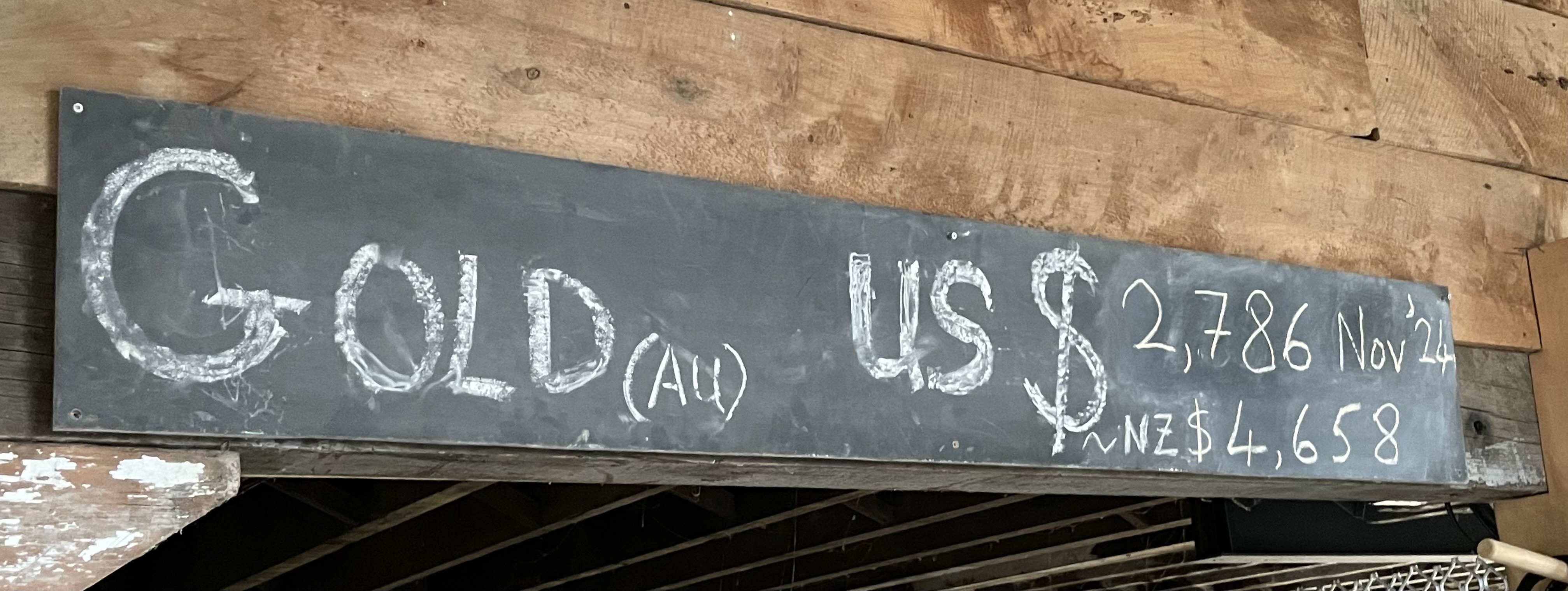
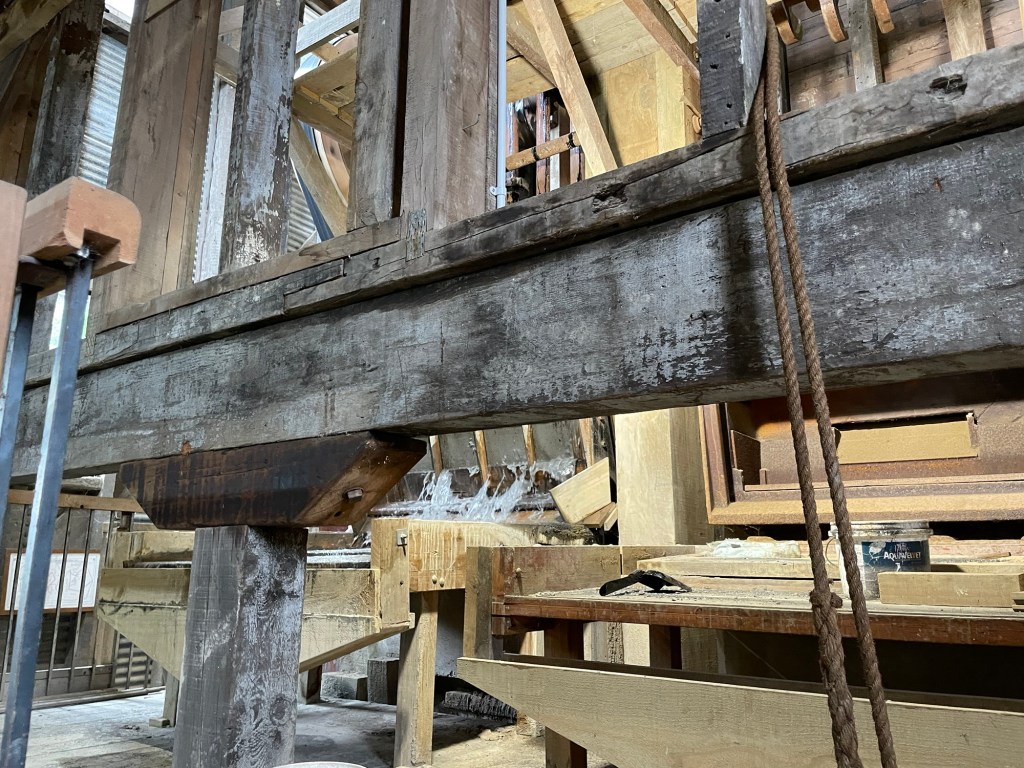
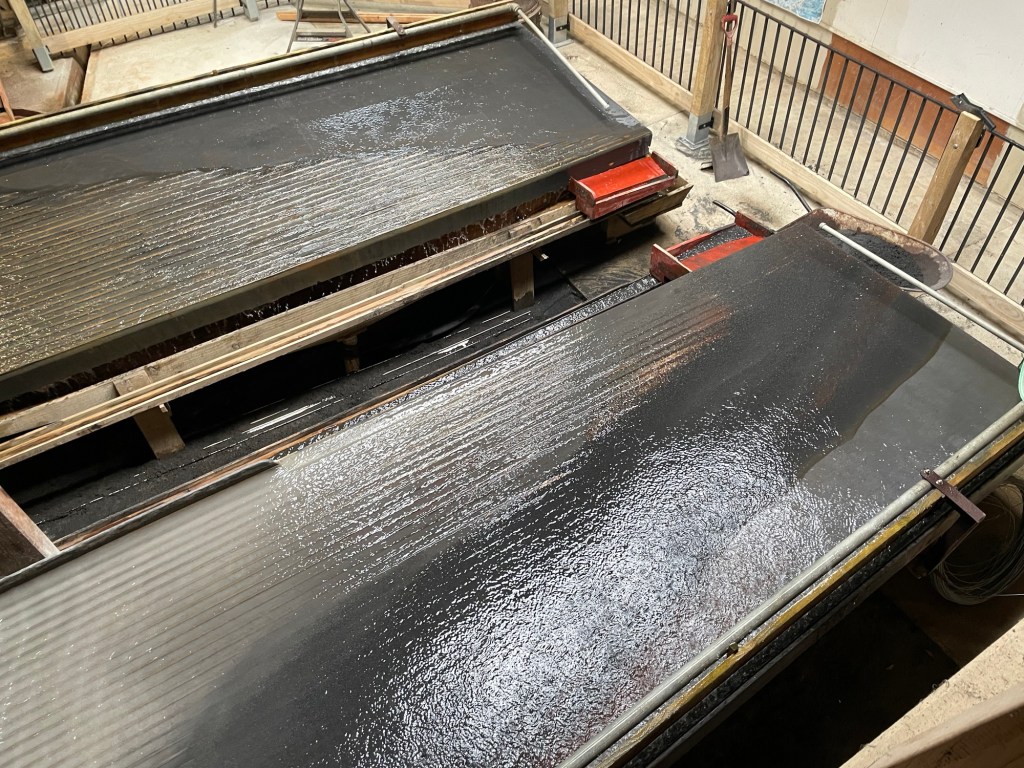
Emerging from the mine, we proceeded into the battery building. Four stories tall, it contained the machinery that liberated gold and other precious metals from the surrounding stone. Our guide took us through and explained how everything worked. Then to our great surprise he triggered a control that set the whole thing in motion! The mill and all its machinery is still operational, and we got to see the triphammers pounding stone into powder, water rushing through sluices carrying sand and grit, and the shake tables separating valuable metal from worthless tailings. (Actually not all that worthless; the process we witnessed leaves up to 40% of the precious metal in the tailings pile. Methods developed later on capture far more, but rely on zinc and cyanide to do the work.) In any case, there was no gold to see today; the battery was processing plain old road gravel for this demonstration.
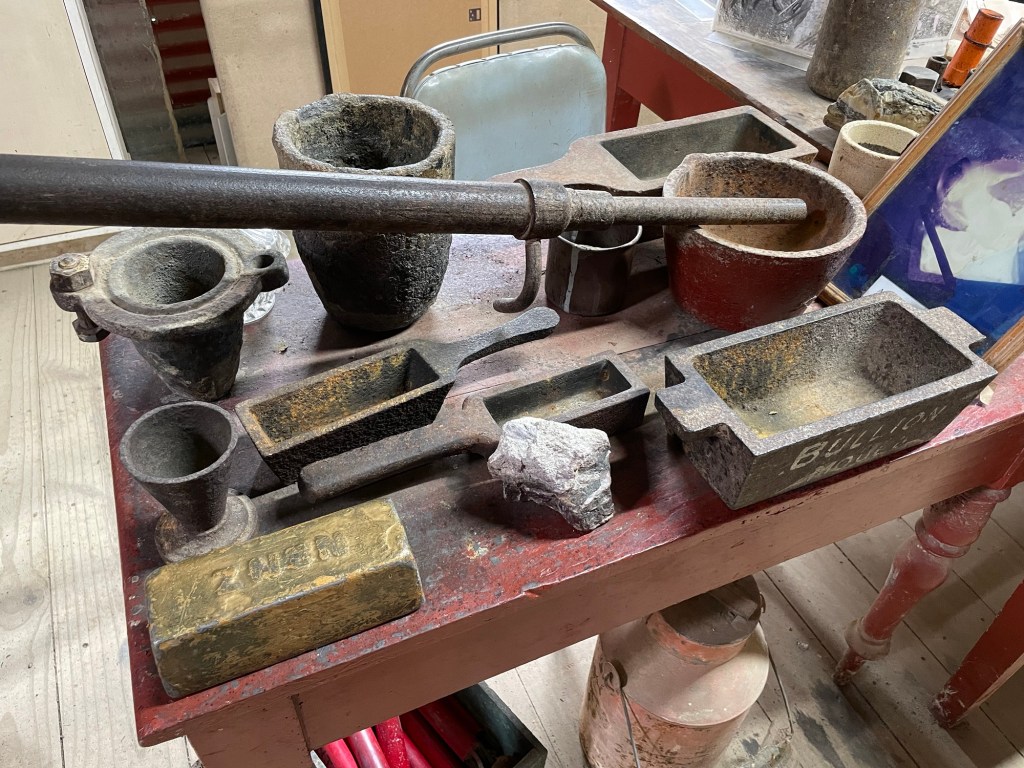
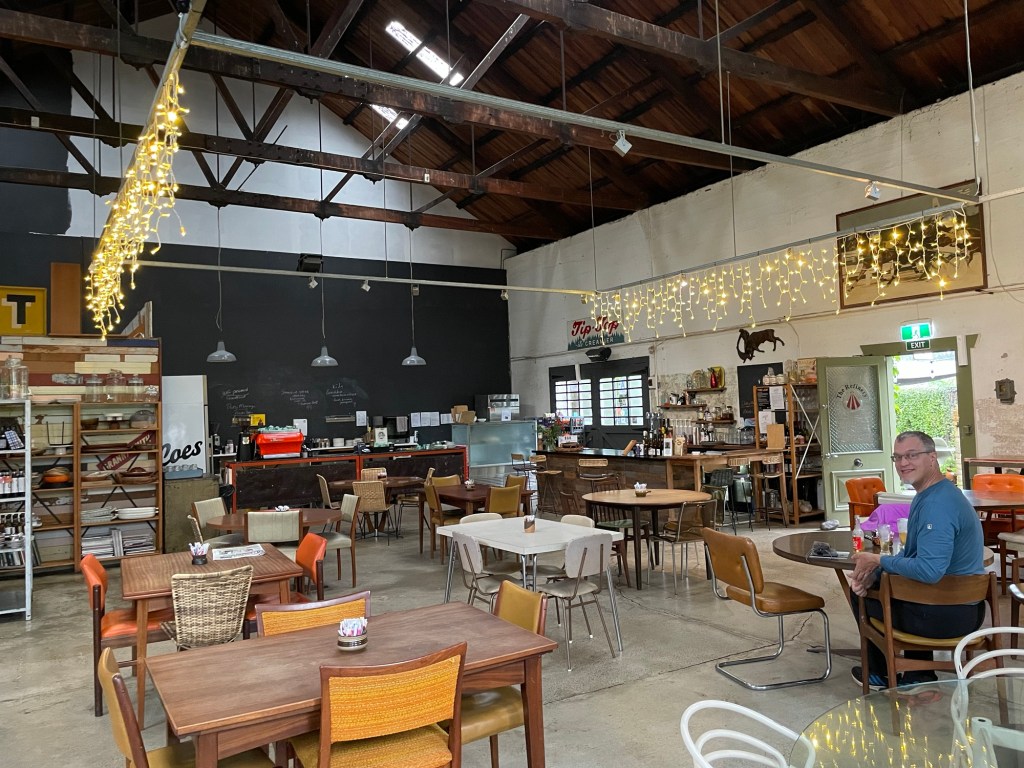
Although we left the museum by 2pm, we could find no other open attractions and so settled for having lunch and exploring the main commercial zone of Thames. From there we headed onward to Paeroa, where appropriately enough our lodgings are connected to a cafe called The Refinery, which had once been the facility where the Royal Mint processed precious metals from all over New Zealand.
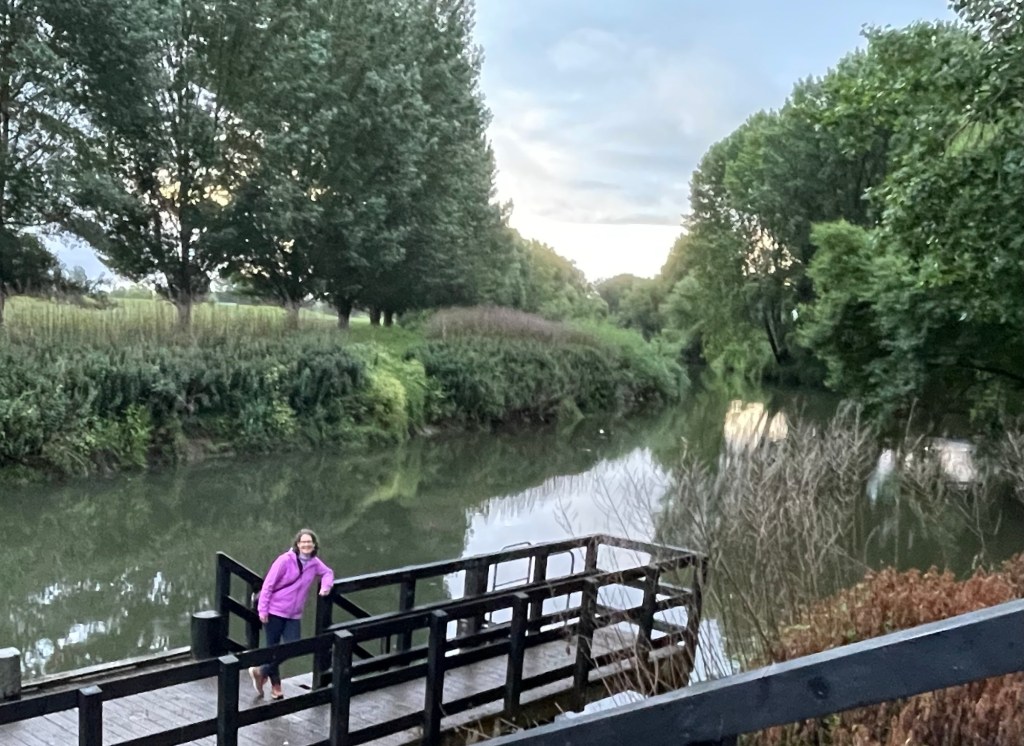
We closed out the day with a walk around Paeroa, discovering a riverfront wharf that harked back to the days when a busy inland shipping industry once thrived here.
 Howes' Doings
So fun to see the Howe adventures continuing. I’ve been so busy lately that I have not sat down to read your wonderful travel blog. I’m stealing time that I should be sleeping, but it’s worth it!