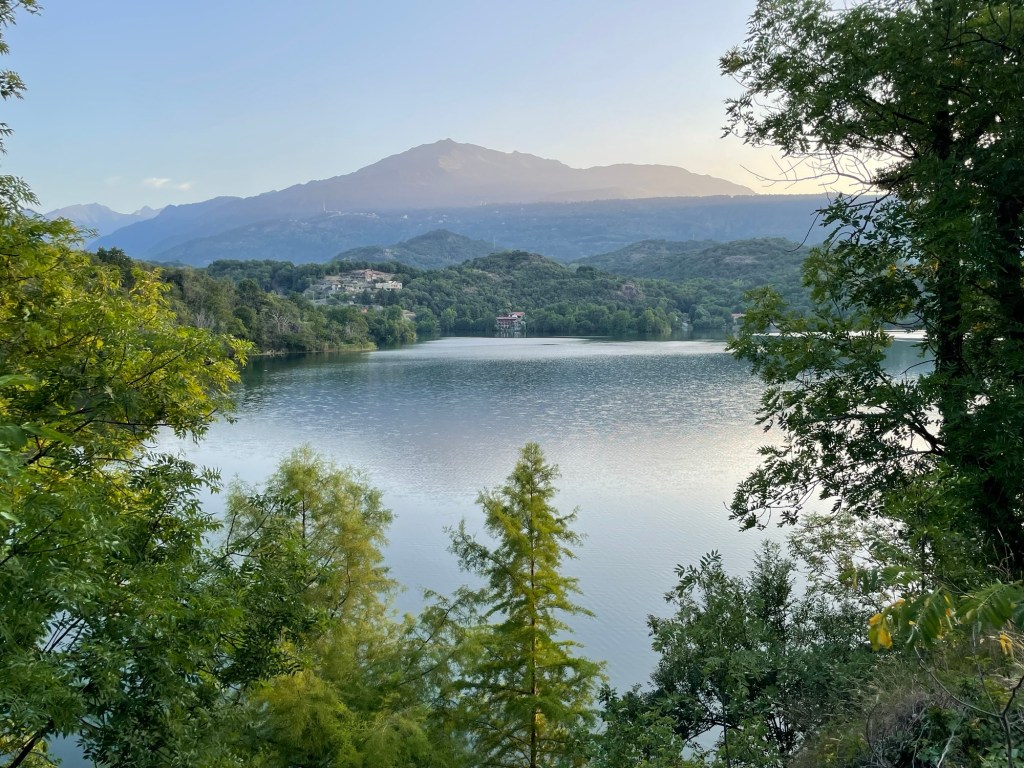
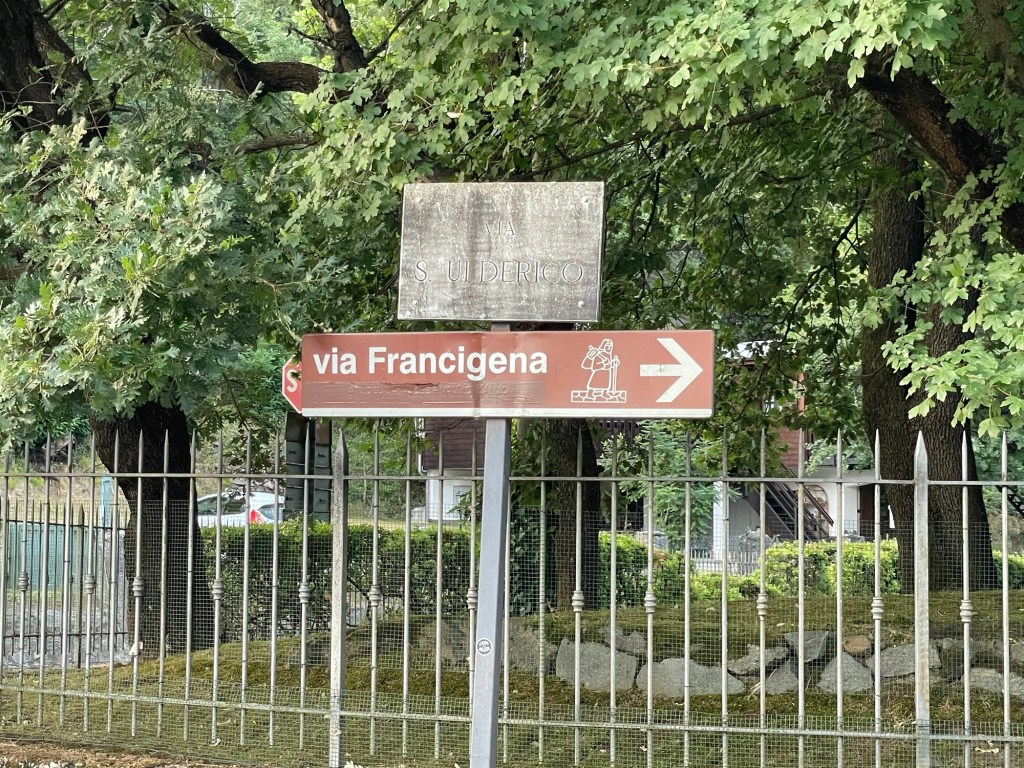
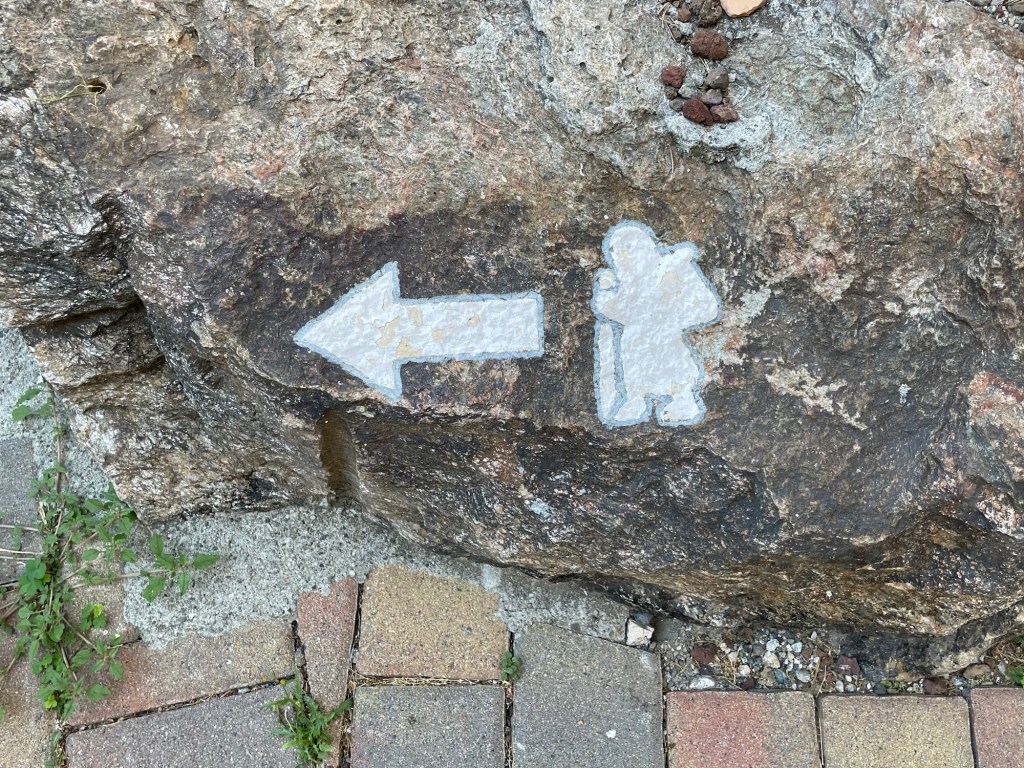
We’re still getting used to the time zone here, and Susannah was wide awake at 5:30 am this morning for some reason. Instead of lying sleeplessly in bed, she decided to go for a walk and explore a bit. Just north of Ivrea there are five small lakes, the nearest of which is a 30 minute walk from our hotel and made a good target. Destination achieved, on her way back her eye caught on one of the trail markers of the Via Francigena. This is a pilgrim trail stretching from Rome to Canterbury, England, laid out by an early archbishop who came to get his blessing from the Pope. In his honor, the trail markers depict a congenial friar with a walking stick. The trail runs the length of the valley we are in and also happens to pass very close by both our hotel and the castle we are singing in. That trip is probably too far given the time available, but it made a nice alternate route back to the hotel.
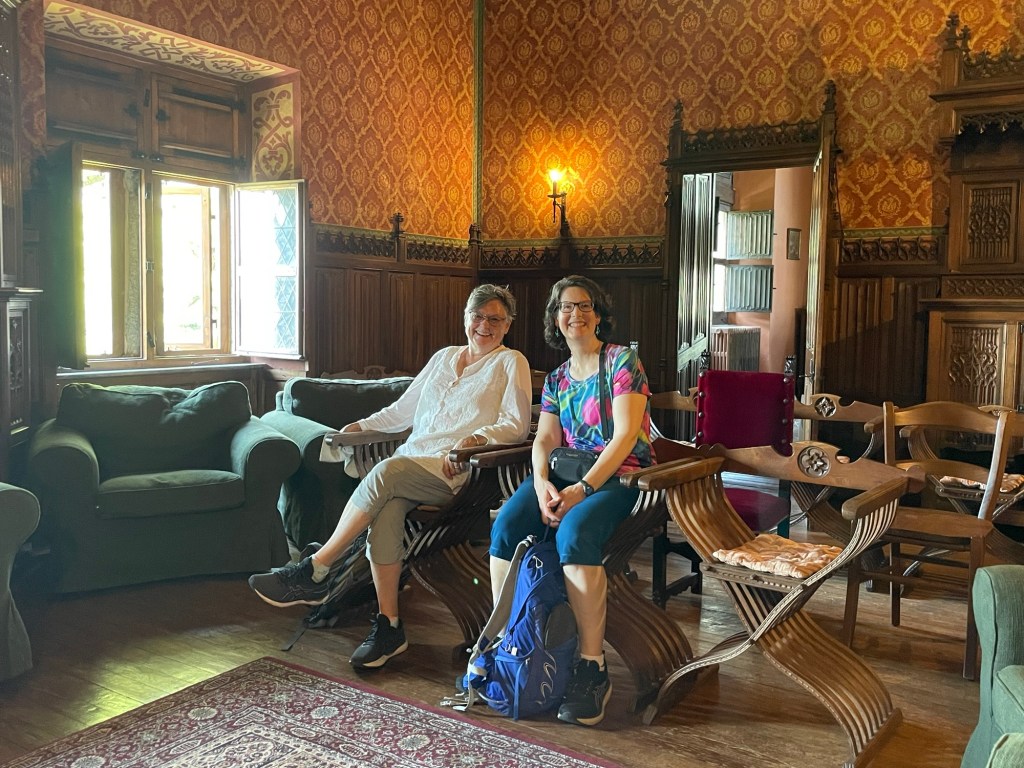
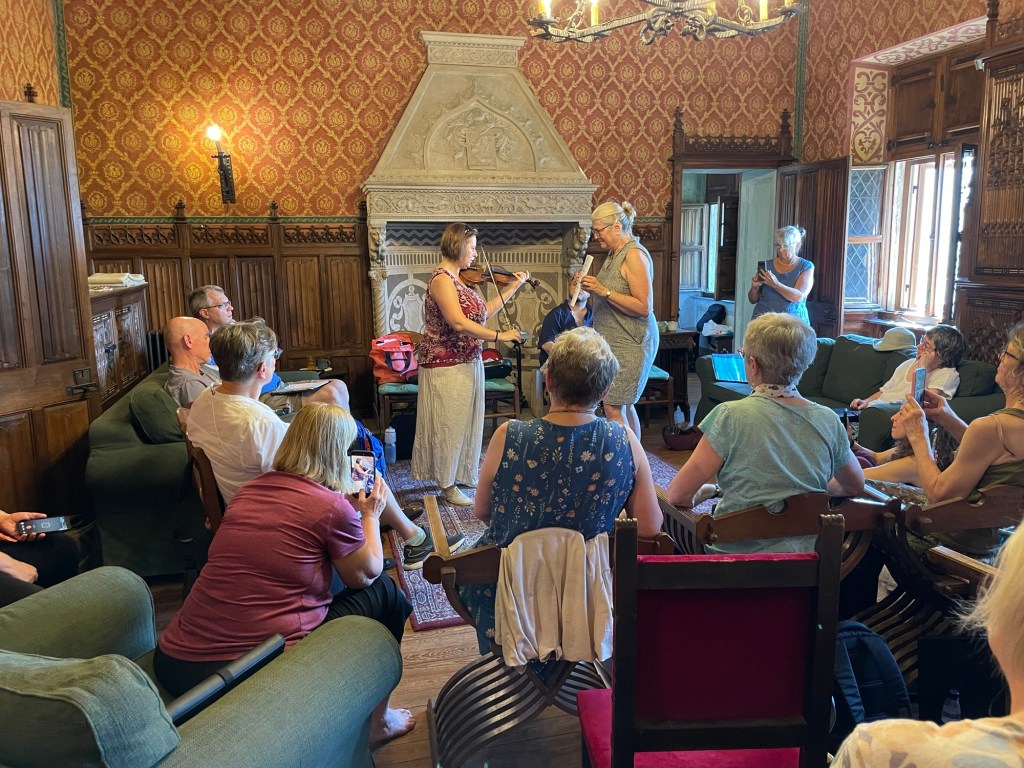
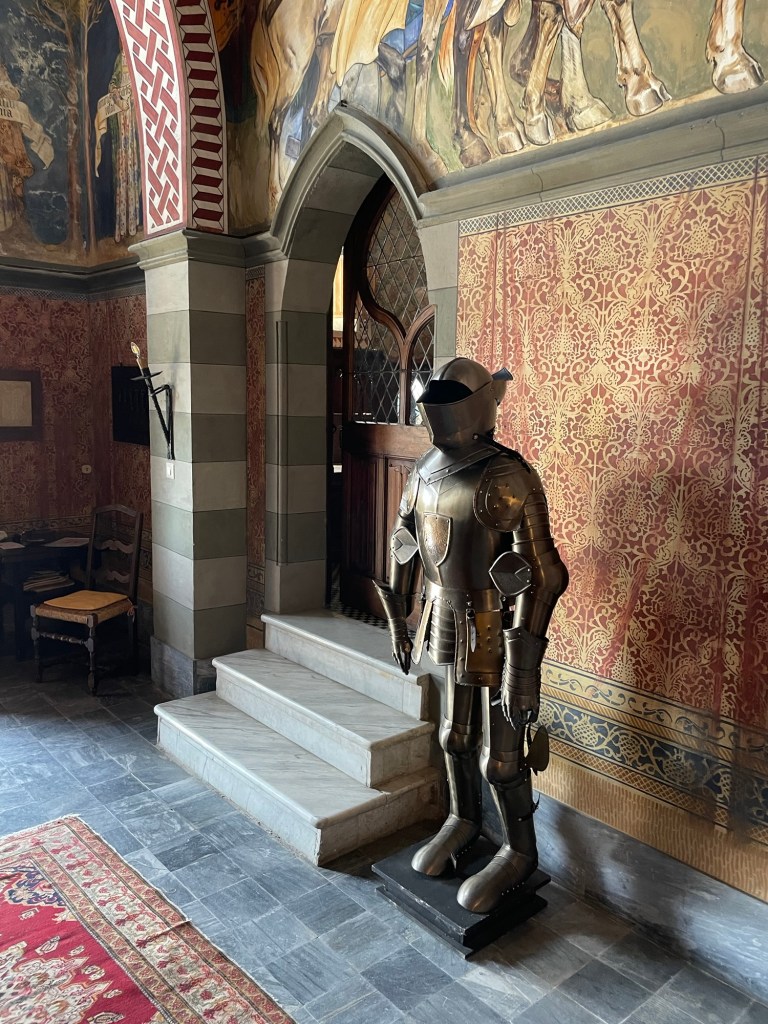
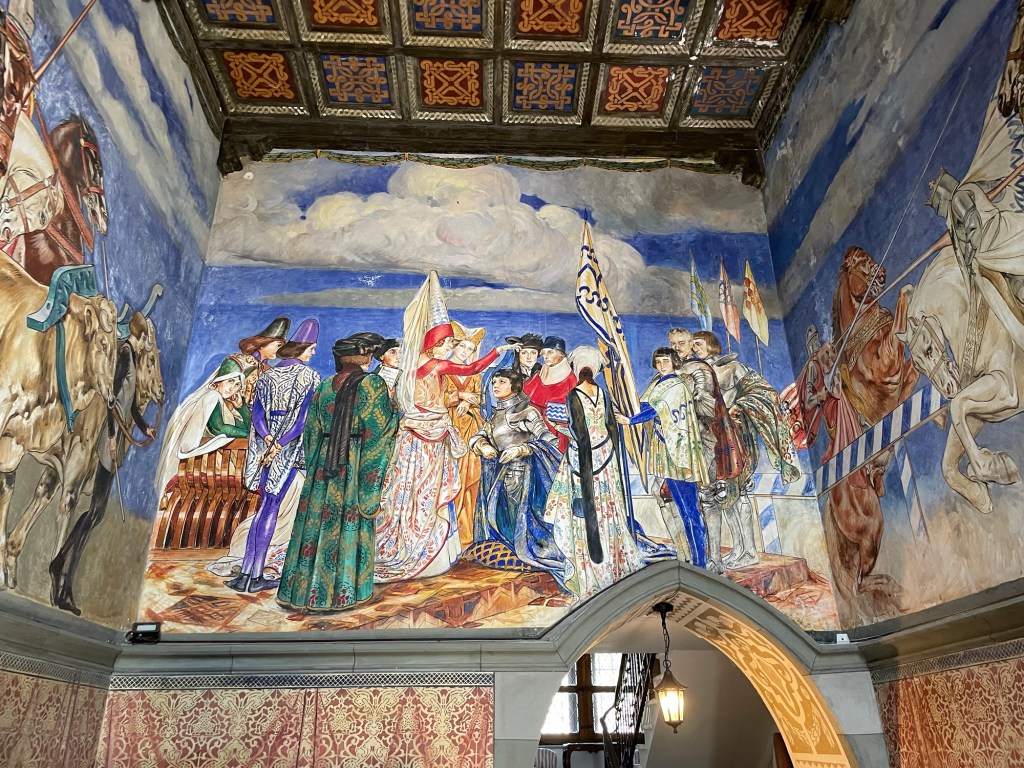
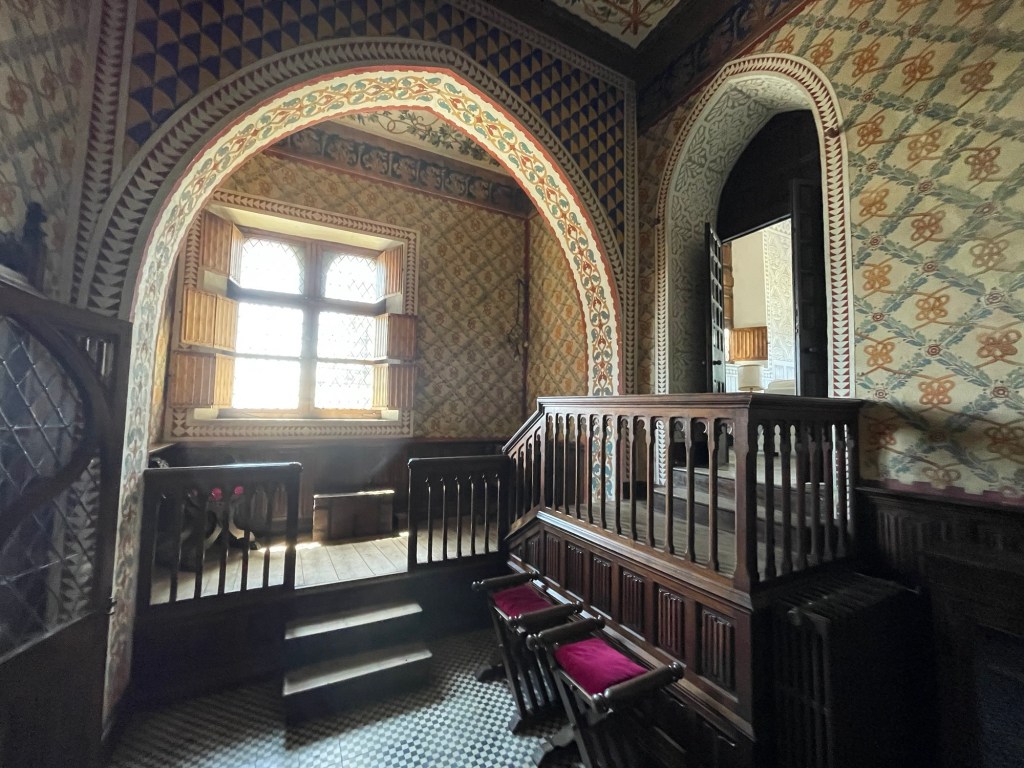
Our singing began today with a long session in the morning and a short one in the afternoon. We are convened in the largest room in the castle, on the second story (or third floor as Americans would say). Like the rest of the castle, the room is richly decorated, with detailed carved-wood panels around the lower parts of the walls and decorative frescoes above. If you’ve only ever visited a castle that is in ruins, it is hard to imagine how it could be very inviting inside. This one shows how luxurious it can be when maintained in good condition as a home. Right before lunch, we were treated to a guest lecture from a local musician who told us about the musical history of the castle, including former owner, Rosario Scalero, who was an accomplished violinist, composer, and educator. Scalero ran workshops for groups of students in the castle during the summer – including the likes of Samuel Barber and Nino Rota. Our speaker performed a piece on the violin that Scalero had once owned.
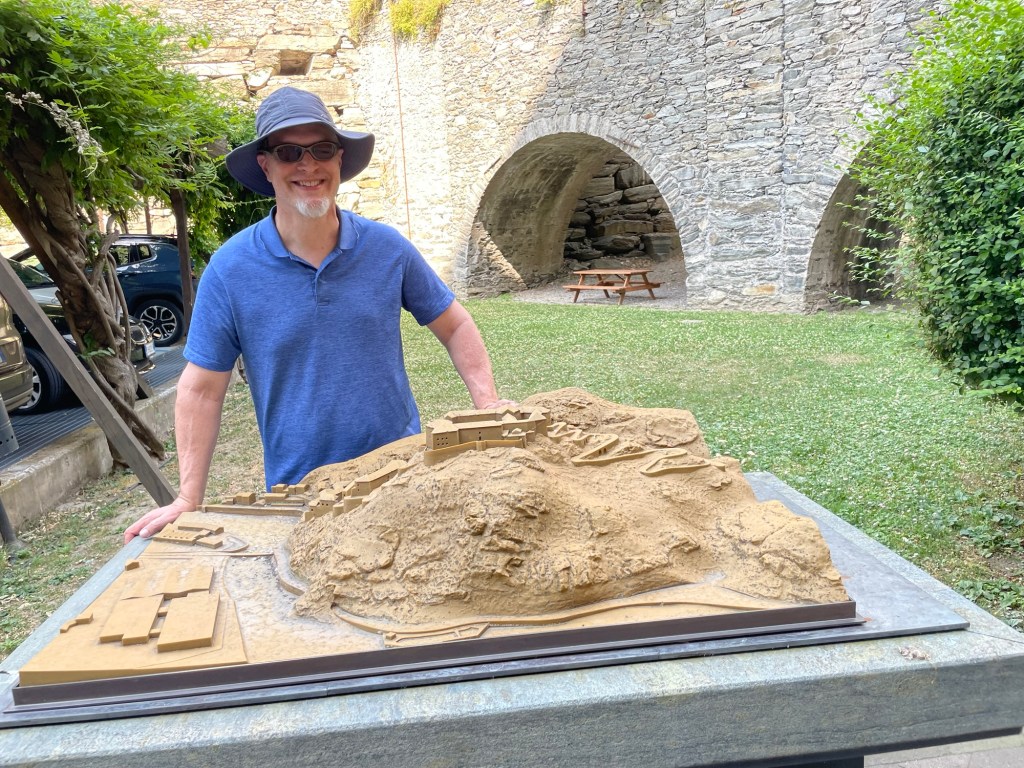
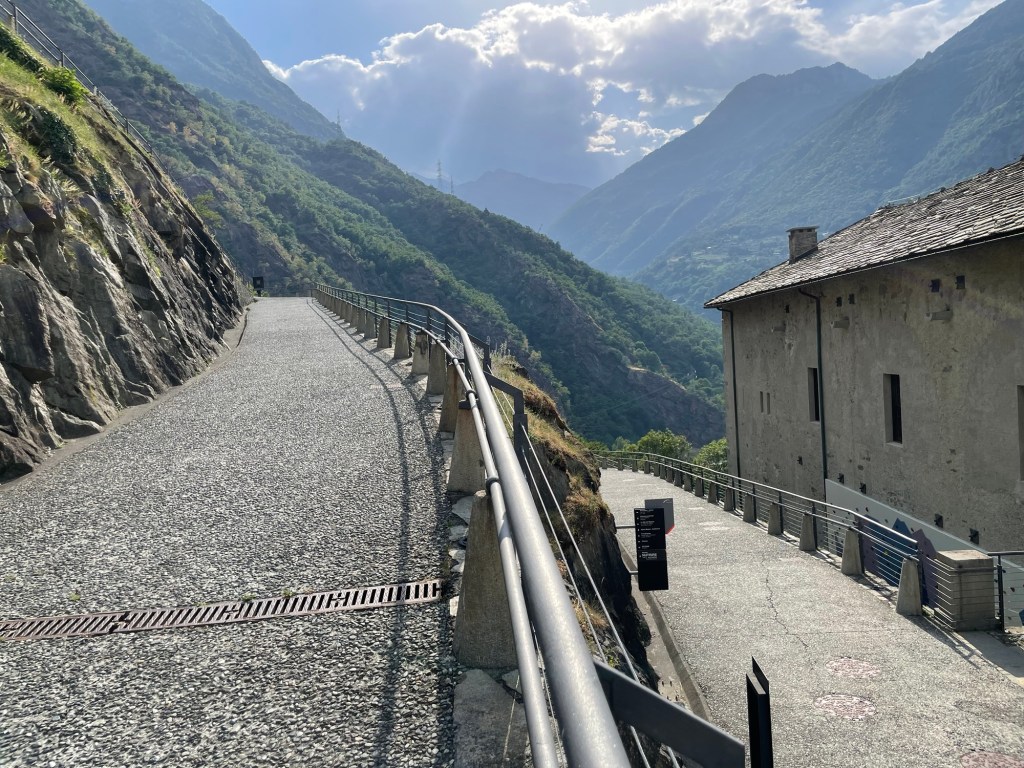
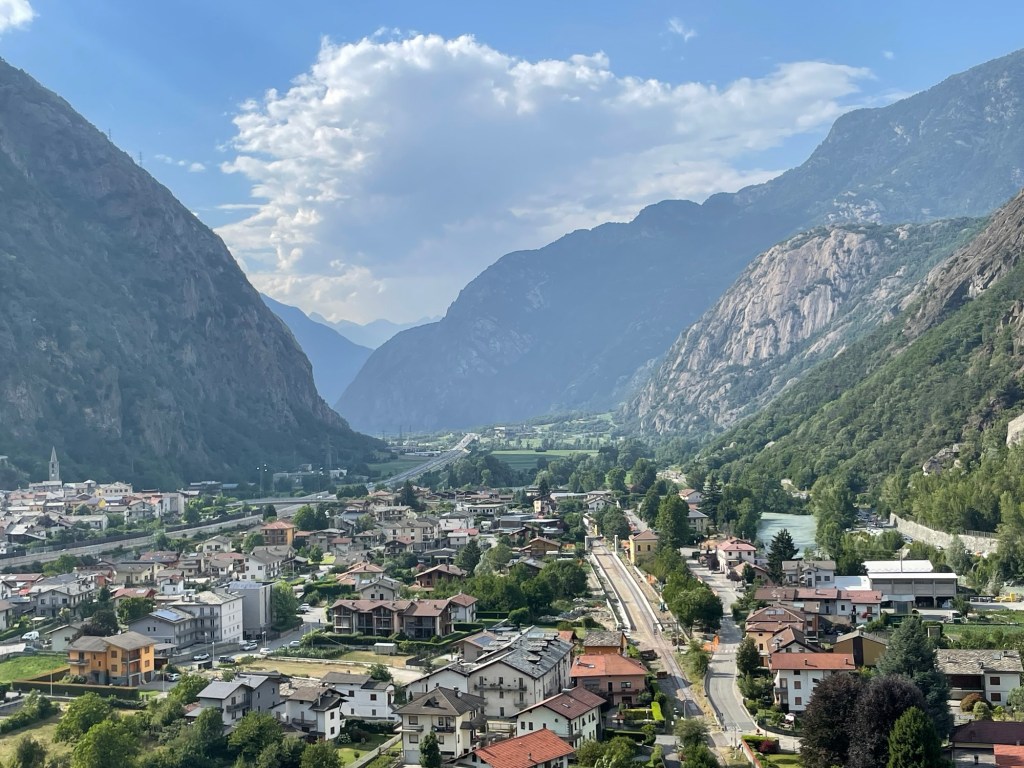
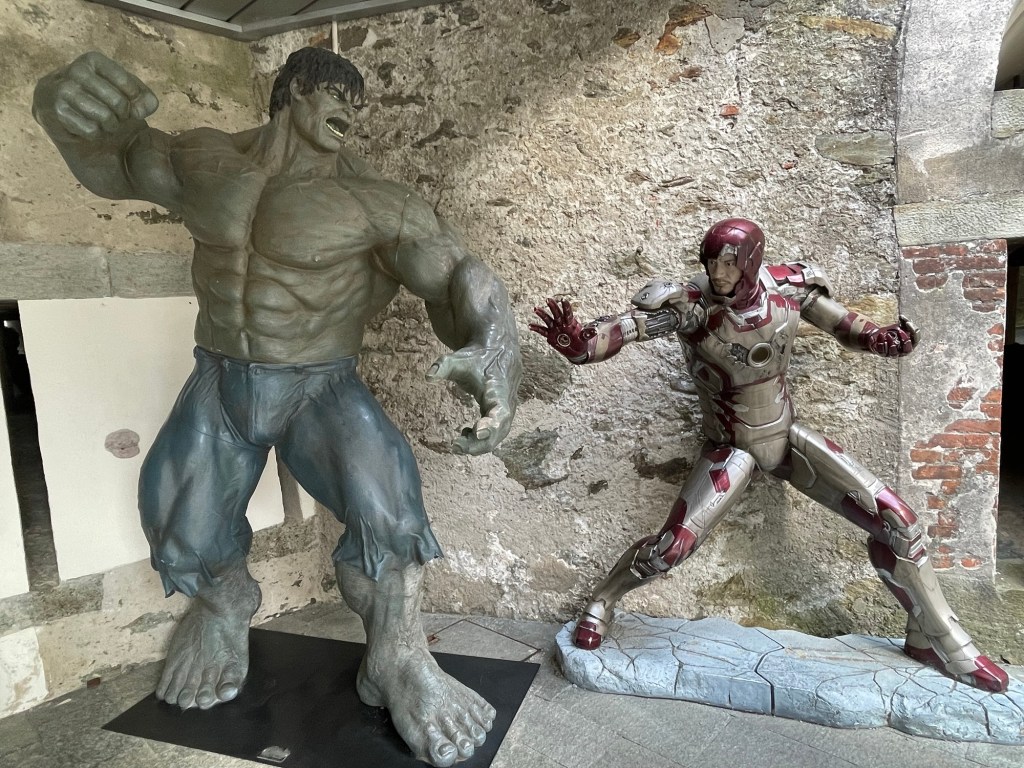
After a short music session in the afternoon, we went as a group to our first tourist destination of the week: the Fortress of Bard. Situated at the mouth of the Valle d’Aosta, the fortification protects the Italian lowlands from French armies that might want to invade through this Alpine pass. The area has been fortified since Roman times at least due to its strategic importance. The predecessor to the current castle achieved notoriety when some 400-odd defenders held off Napoleon’s army of 40,000 for more than two weeks. When he finally took the place he ordered it razed to the ground in vengeance. This state of affairs didn’t last long; a few decades later the King of Italy called for new defenses to be built, resulting in the current massive works. They have never been tested in a real battle, although they did form a key setting for the movie Avengers: Age of Ultron.
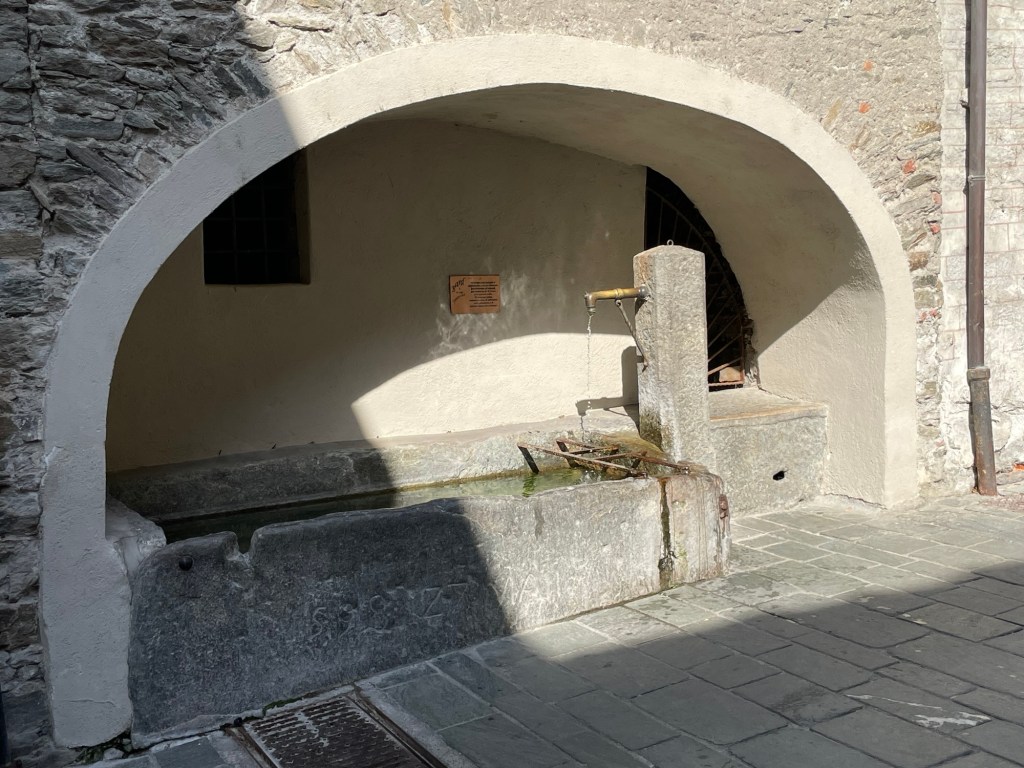
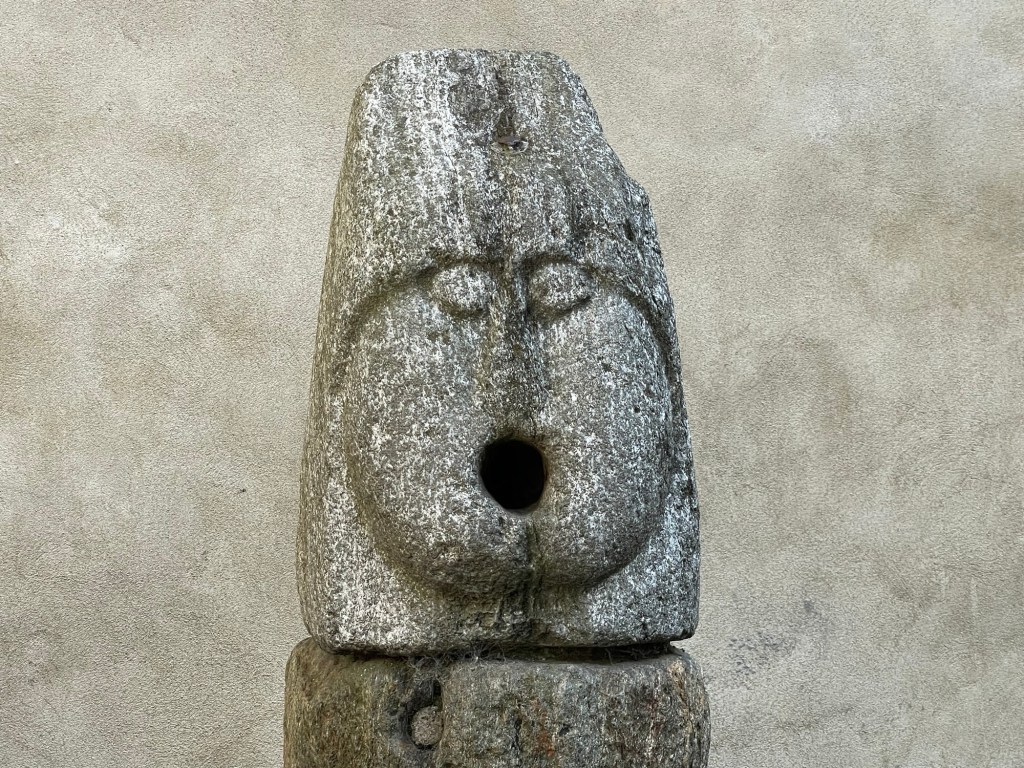
In the valley running alongside the fortress is an old medieval village that used to line the main road through the pass. Since newer roads have rerouted the traffic, it is now pedestrian-only. The oldest known public fountain in Italy is found here, dating to 1598. The water now comes out of a bronze pipe, but once spewed forth from the mouth of a stone wild man. He now stands in view across the street.
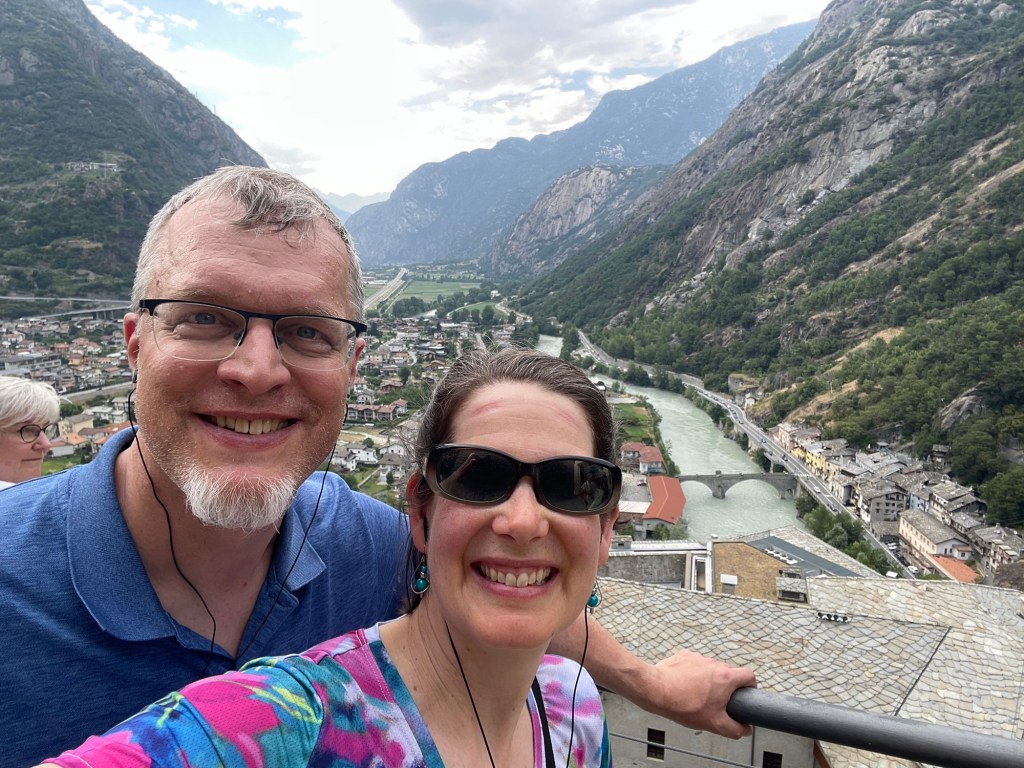
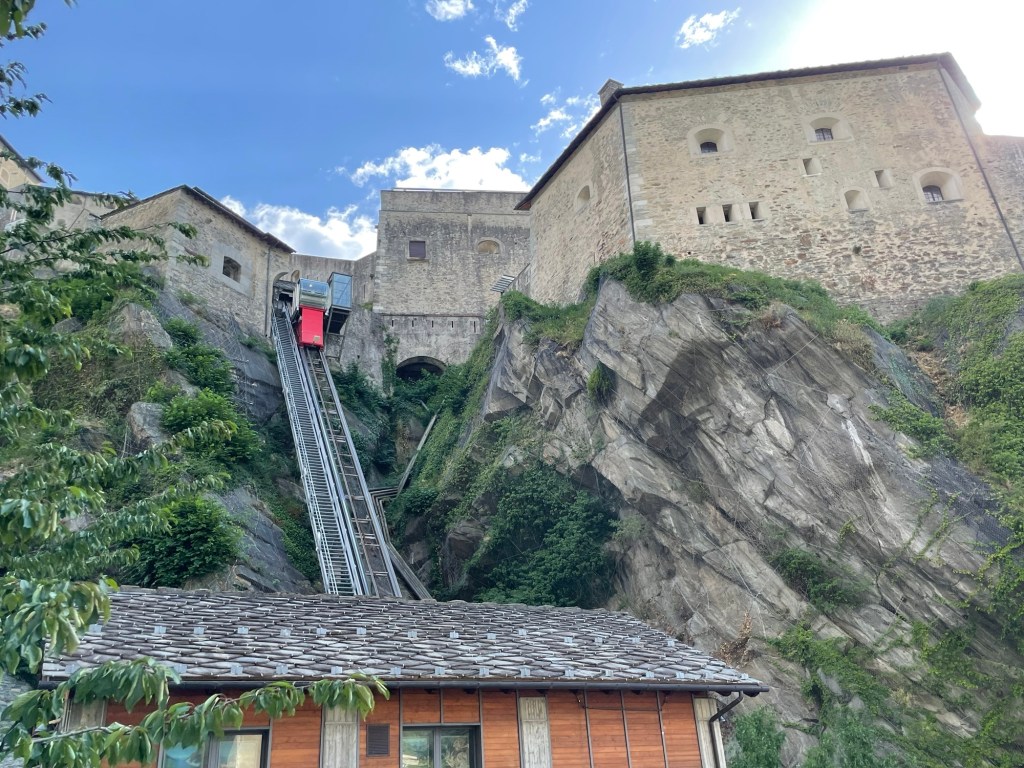
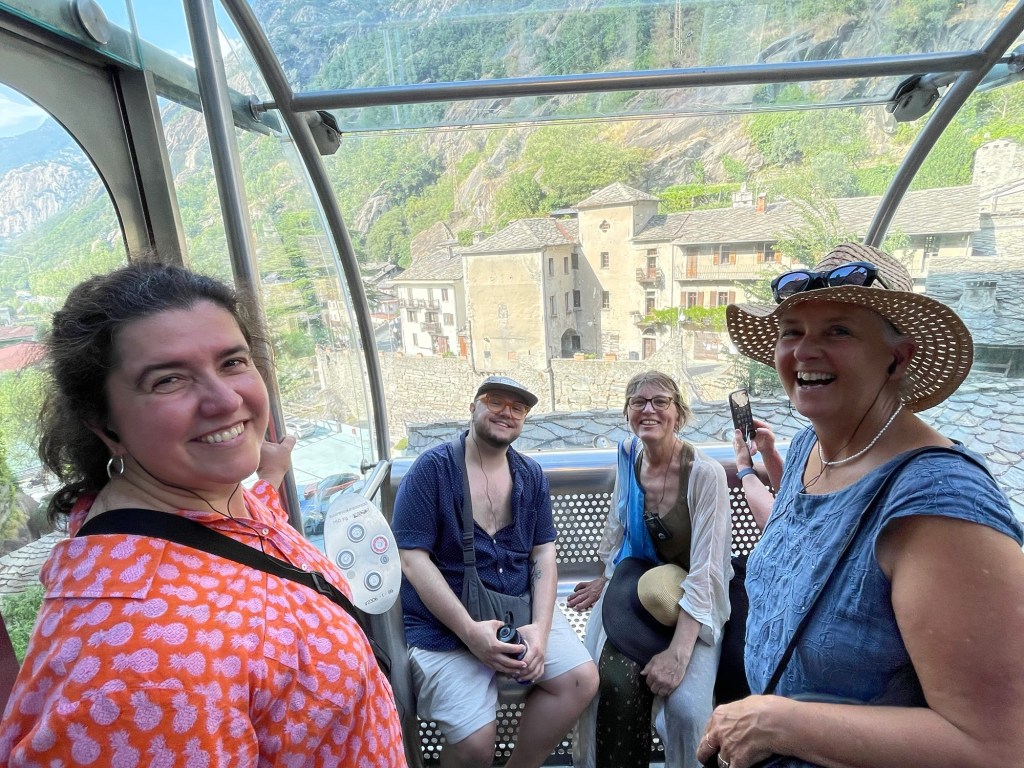
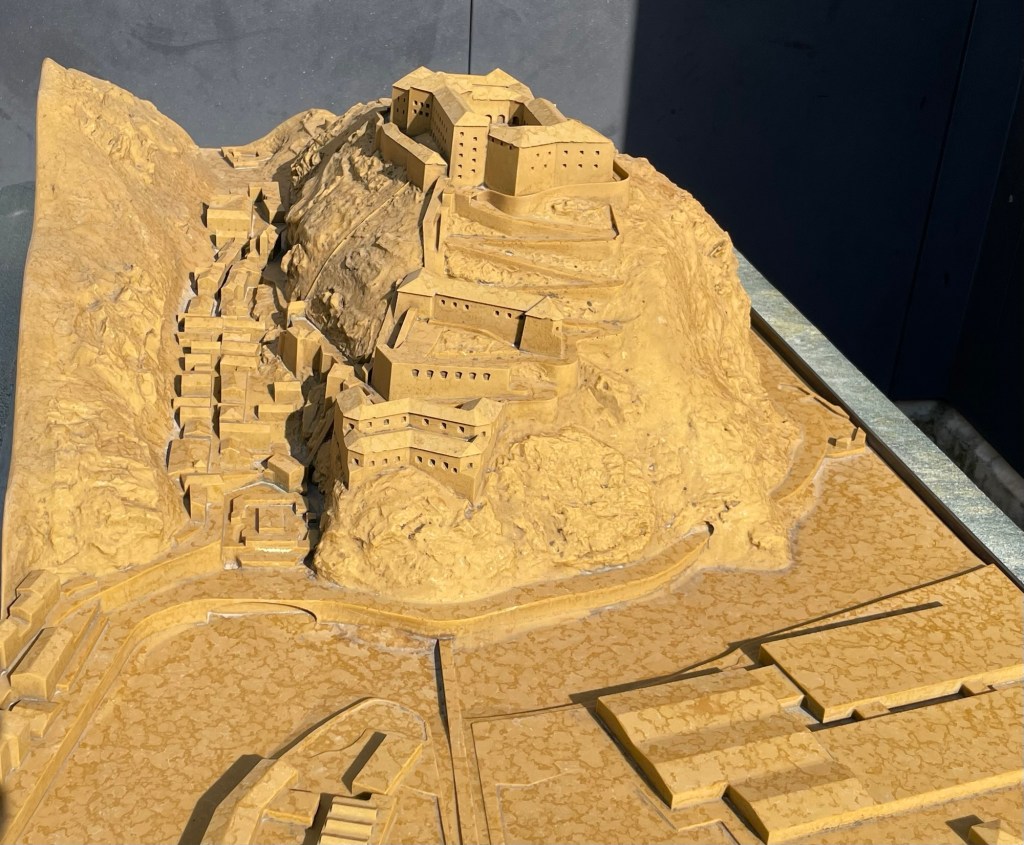
The fortress itself is built in three successive levels, each independently capable of withstanding a siege. Although a winding road links them up, most visitors take a series of three funiculars to the top. From there, one gains a premium view up the Valle d’Aosta.
 Howes' Doings